Meningitis Symptoms: Warning Signs, Emergency Symptoms and When to Seek Help
Meningitis is inflammation of the protective membranes surrounding the brain and spinal cord. It can…







Meningitis is inflammation of the protective membranes surrounding the brain and spinal cord. It can…
HIV symptoms can vary considerably from person to person. Some people develop flu-like symptoms during…

Xylitol health risks have recently received renewed attention after new research presented at the European Society of…
Dengue is one of the most important mosquito-borne viral diseases in tropical and subtropical regions…
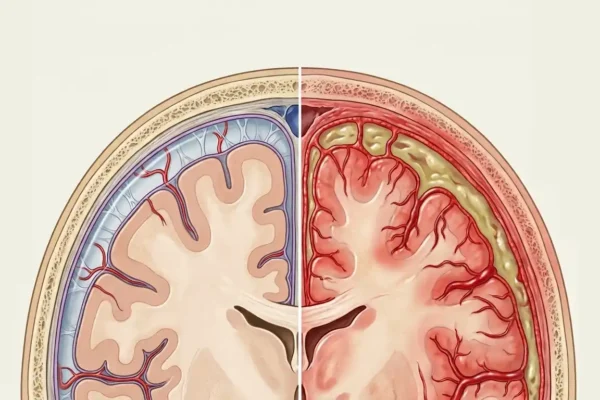
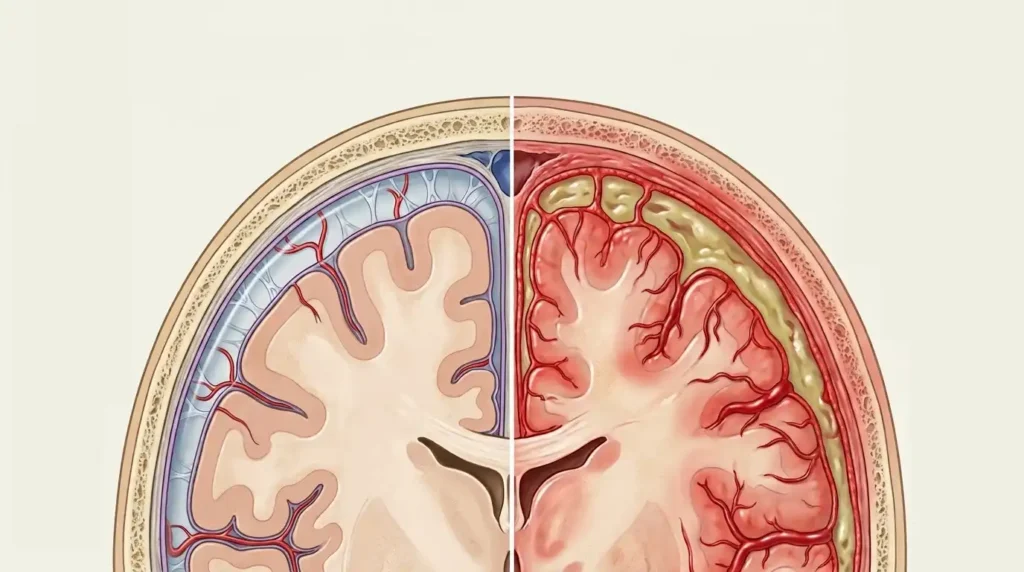
Meningitis is inflammation of the protective membranes surrounding the brain and spinal cord. It can be caused by viruses, bacteria, fungi and other organisms. While some forms of meningitis may improve with supportive care, bacterial meningitis can become life-threatening very quickly and requires urgent medical treatment. Knowing the symptoms of meningitis is important because the illness…
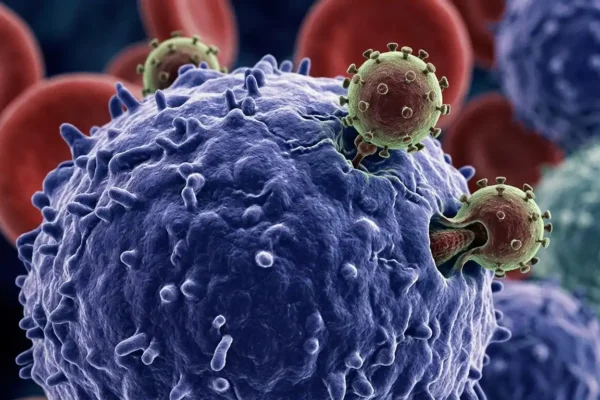
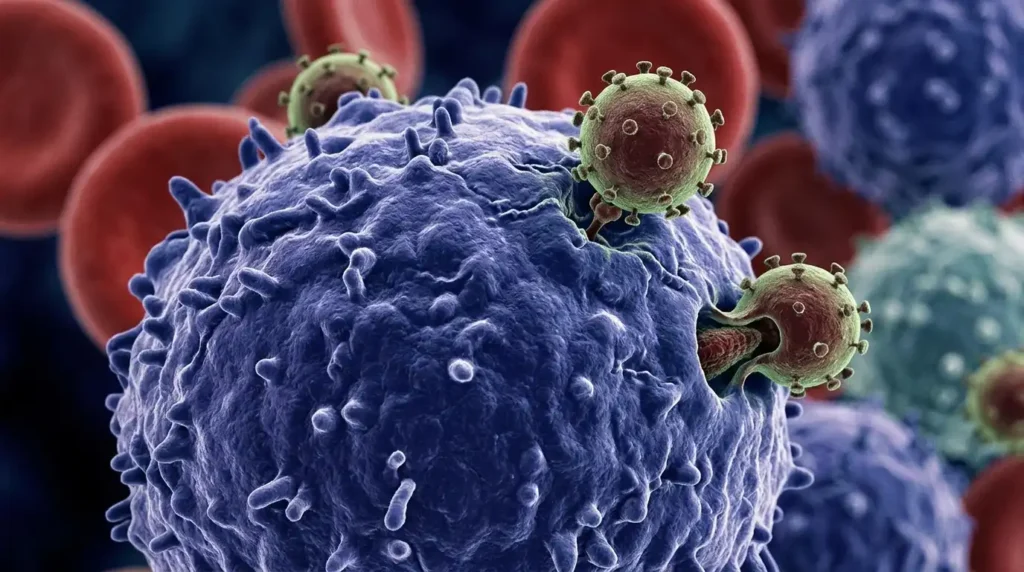
HIV symptoms can vary considerably from person to person. Some people develop flu-like symptoms during the early stage of HIV infection, while others have no symptoms at all. Later, untreated HIV can cause symptoms related to progressive weakening of the immune system. One of the most important things to understand about HIV symptoms is that…

Xylitol health risks have recently received renewed attention after new research presented at the European Society of Cardiology Congress 2026 linked higher blood levels of xylitol with a greater risk of major cardiovascular events. Xylitol has traditionally been viewed as a useful alternative to sugar. It is a sugar alcohol used in sugar-free chewing gum, candies, beverages, baked…
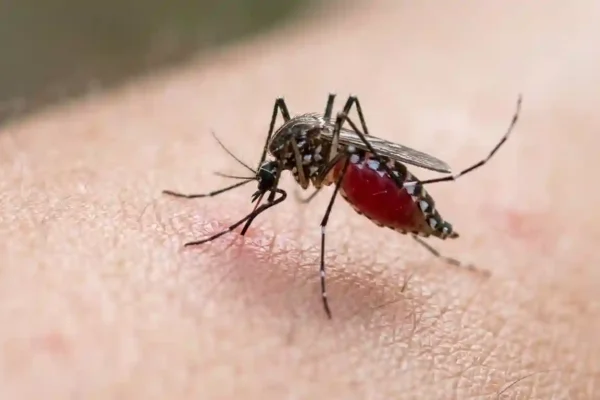
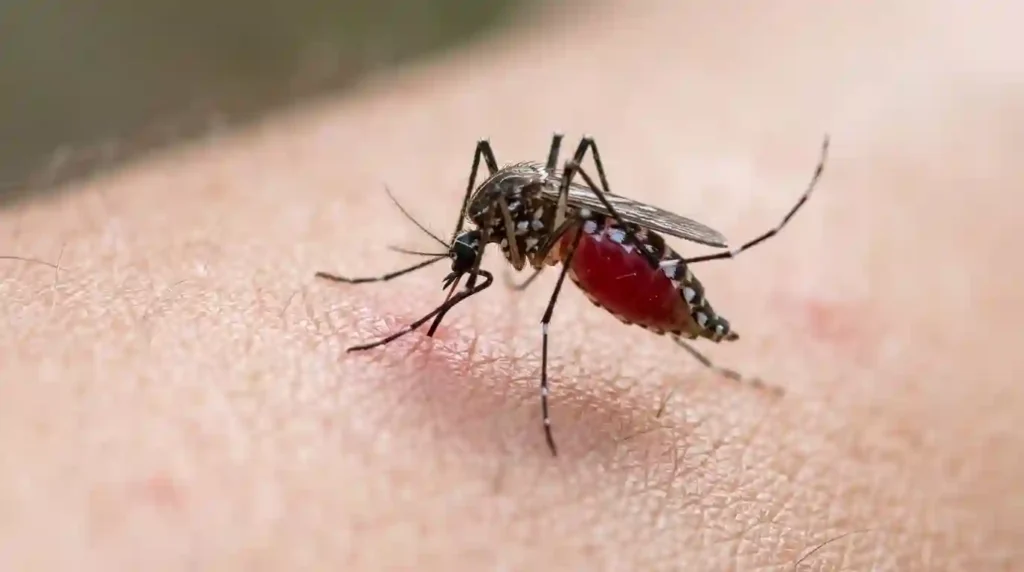
Dengue is one of the most important mosquito-borne viral diseases in tropical and subtropical regions of the world. It can range from a mild flu-like illness to a potentially life-threatening condition known as severe dengue. Because dengue outbreaks continue to affect millions of people globally, understanding its symptoms, warning signs and prevention methods is essential….
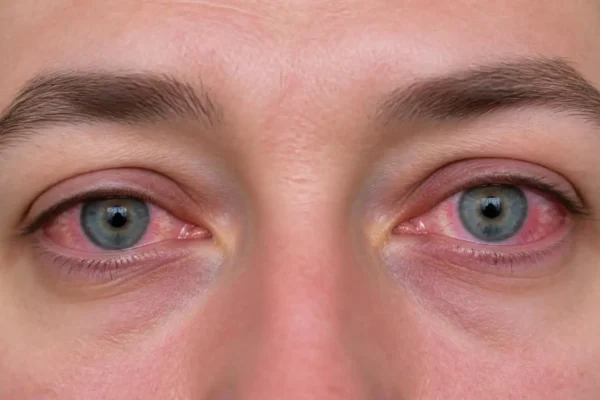
Conjunctivitis, commonly known as pink eye, is inflammation of the thin membrane covering the white part of the eye and the inner surface of the eyelids. It can cause redness, watering, itching, burning, a gritty sensation, eyelid swelling, and sometimes mucus or pus-like discharge. Conjunctivitis may be caused by viruses, bacteria, allergies, contact-lens-related problems, or irritation…

The FDA recall of frozen berries has become a significant food-safety concern in the United States after the FDA classified a recall of certain GreenWise organic frozen blueberries and mixed berries sold at Publix as a Class I recall, the agency’s highest-risk category. The products are being recalled because of possible contamination with Shiga toxin-producing E. coli O145:H28, a strain capable…

COVID-19 may no longer dominate the headlines as it did during the pandemic, but SARS-CoV-2 has not disappeared. In summer 2026, several countries are reporting renewed increases in COVID activity, reminding us that COVID can produce significant waves outside the traditional winter respiratory-virus season. Recent surveillance shows increasing activity in parts of the United States and Asia,…

A rare but concerning fungal infection called Candida auris (C. auris) has been receiving increased attention in the United States because of its ability to resist several antifungal medications and spread easily in healthcare environments. Health authorities have described it as an emerging public health threat because it can cause serious infections, particularly among hospitalized patients and…
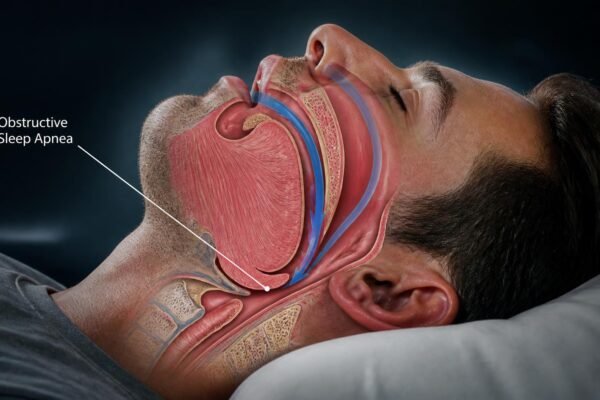
Obstructive sleep apnea (OSA) is a common sleep-related breathing disorder where the airway repeatedly becomes narrowed or blocked during sleep. This happens because the muscles of the throat relax too much, causing the tongue and soft tissues to fall backward and restrict airflow. When breathing stops or becomes reduced, oxygen levels drop and the brain…

Attention-deficit/hyperactivity disorder (ADHD) is one of the most common neurodevelopmental conditions affecting children and adults worldwide. Although many people associate ADHD only with being “hyperactive” or “unable to concentrate,” the condition is much more complex. ADHD affects the brain’s ability to regulate attention, impulses, activity levels, planning, and emotional responses. People with ADHD are not…