Hypertension, commonly known as high blood pressure, is one of the most common and dangerous health conditions worldwide. Often called a “silent killer,” it develops gradually and usually does not cause noticeable symptoms at first. Despite this, uncontrolled high blood pressure can slowly damage vital organs and significantly increase the risk of serious health problems such as heart attacks, strokes, kidney failure, and even premature death. According to the latest international guidelines, early detection and proper management are key to preventing these complications.
What Is Hypertension?
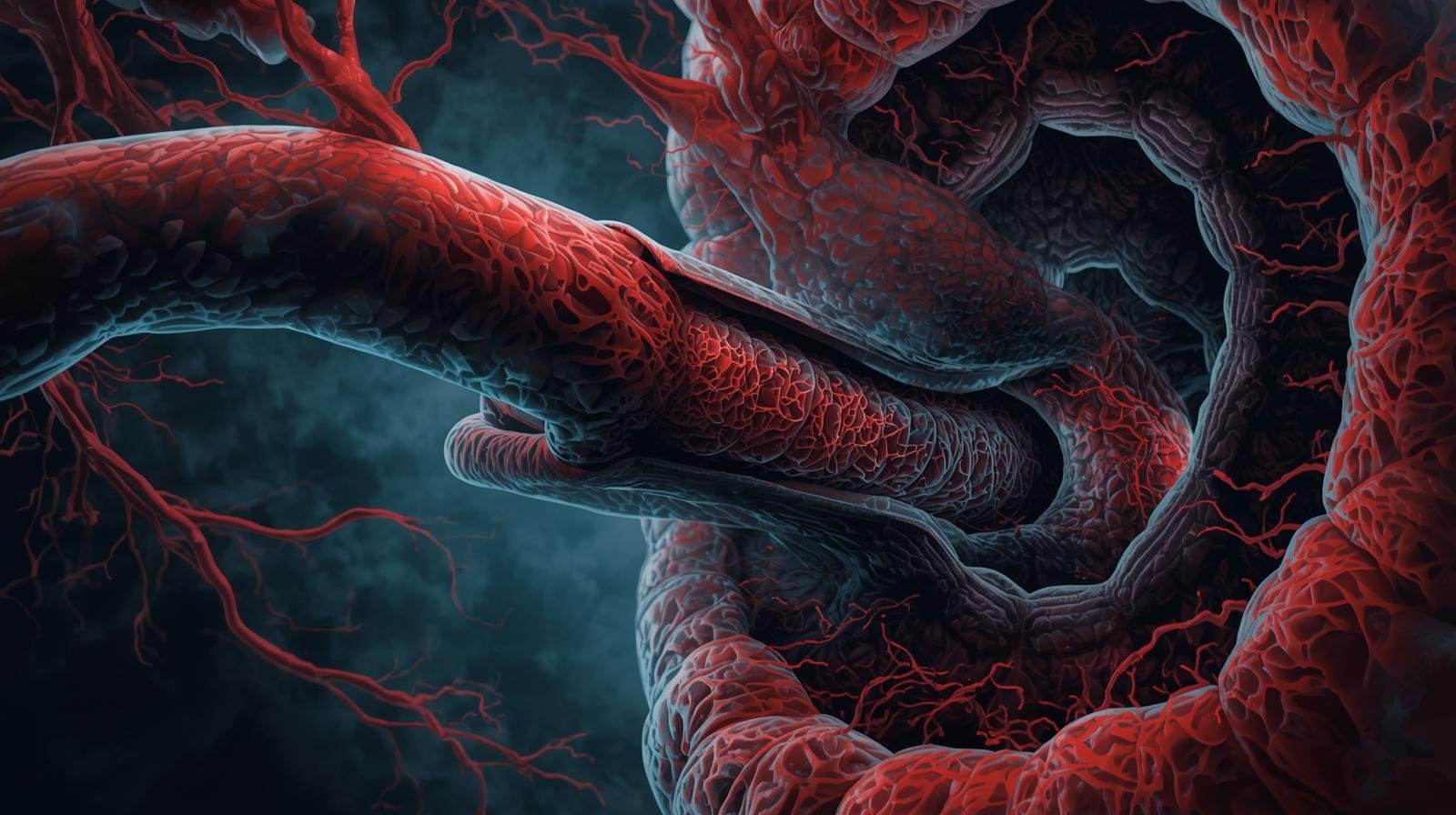
Blood pressure measures the force of blood pushing against the walls of the arteries. When this pressure remains high over time, it is called hypertension. Recent guidelines define normal blood pressure as below 120/80 mmHg, while readings above 130/80 mmHg are considered elevated or hypertensive. The constant strain from high blood pressure gradually weakens the heart and stiffens the arteries, creating conditions that can lead to life-threatening complications.
Effects on the Heart
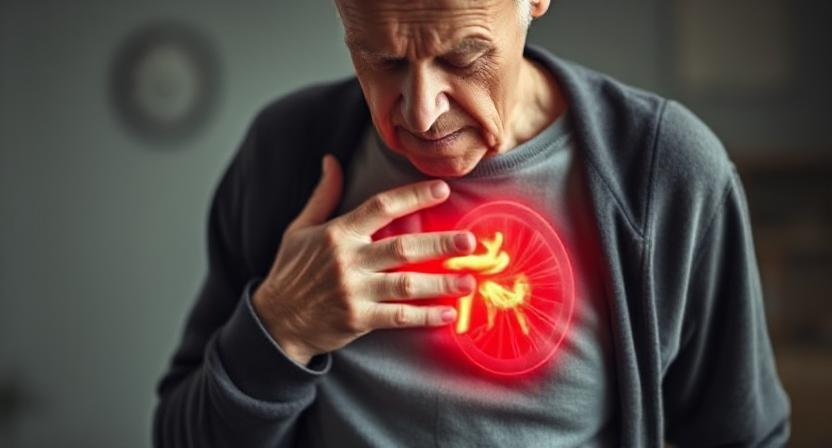
One of the major effects of hypertension is on the heart. The persistent pressure in the arteries makes it harder for the heart to pump blood efficiently, which over time can cause the heart to enlarge and weaken. This damage increases the risk of heart attacks, heart failure, chest pain, and irregular heartbeats. Even without obvious symptoms, the heart may be struggling against the constant pressure, which is why early detection and treatment are so important.
Effects on the Brain
High blood pressure also has a significant impact on the brain. It is the leading risk factor for strokes, as it can either block blood flow to the brain or cause blood vessels to rupture. Over time, hypertension can damage smaller blood vessels in the brain, contributing to memory loss, cognitive decline, and an increased risk of dementia. Recent guidelines emphasize the importance of early treatment to protect brain health and reduce the likelihood of stroke and long-term cognitive problems.
Effects on the Kidneys
The kidneys are highly sensitive to high blood pressure. The delicate blood vessels in the kidneys can be damaged over time, reducing their ability to filter waste efficiently. This can lead to chronic kidney disease and, in severe cases, kidney failure requiring dialysis or transplant. People with long-standing hypertension are at much higher risk of kidney complications, which underscores the importance of regular monitoring and treatment.
Effects on the Eyes
High blood pressure can also damage the tiny blood vessels in the retina, the part of the eye responsible for vision, leading to a condition called hypertensive retinopathy. This may result in blurred vision and, in severe cases, permanent vision loss. Regular eye examinations are particularly important for individuals with hypertension to detect early changes before serious damage occurs.
Effects on Blood Vessels and Other Organs
Beyond specific organs, hypertension damages arteries and blood vessels throughout the body, making them stiffer and more prone to injury. This can reduce blood flow to organs and tissues, cause sexual dysfunction, and increase the risk of complications in pregnancy such as preeclampsia. The cumulative effect of hypertension on multiple organs highlights why it is considered a silent but highly dangerous condition.
Why Early Control Is Important?
According to recent guidelines, controlling high blood pressure early can prevent many of these complications. Lifestyle changes such as eating a healthy diet rich in fruits and vegetables, reducing salt intake, maintaining a healthy weight, exercising regularly, avoiding tobacco, limiting alcohol, and managing stress are strongly recommended. When lifestyle measures are not enough, medication can be used to lower blood pressure and protect the heart, brain, kidneys, and eyes from damage.
Conclusion
Hypertension may not cause noticeable symptoms in its early stages, but its effects on the body can be serious and widespread. By detecting and controlling high blood pressure early, individuals can significantly reduce their risk of heart attacks, strokes, kidney disease, vision loss, and cognitive decline. Regular blood pressure monitoring, healthy lifestyle habits, and adherence to treatment are essential for long-term health and well-being.
Sources
- World Health Organization – Hypertension Fact Sheet: https://www.who.int/news-room/fact-sheets/detail/hypertension
- American Heart Association – High Blood Pressure Guidelines: https://www.heart.org/en/health-topics/high-blood-pressure
- AHA Newsroom – New High Blood Pressure Guideline: https://newsroom.heart.org/news/new-high-blood-pressure-guideline-emphasizes-prevention-early-treatment-to-reduce-cvd-risk
- WHO Guideline on Pharmacological Treatment of Hypertension: https://www.who.int/publications/i/item/9789240050969
- European Society of Cardiology Hypertension Guidelines: https://academic.oup.com/eurheartj