
Understanding Chronic Stress
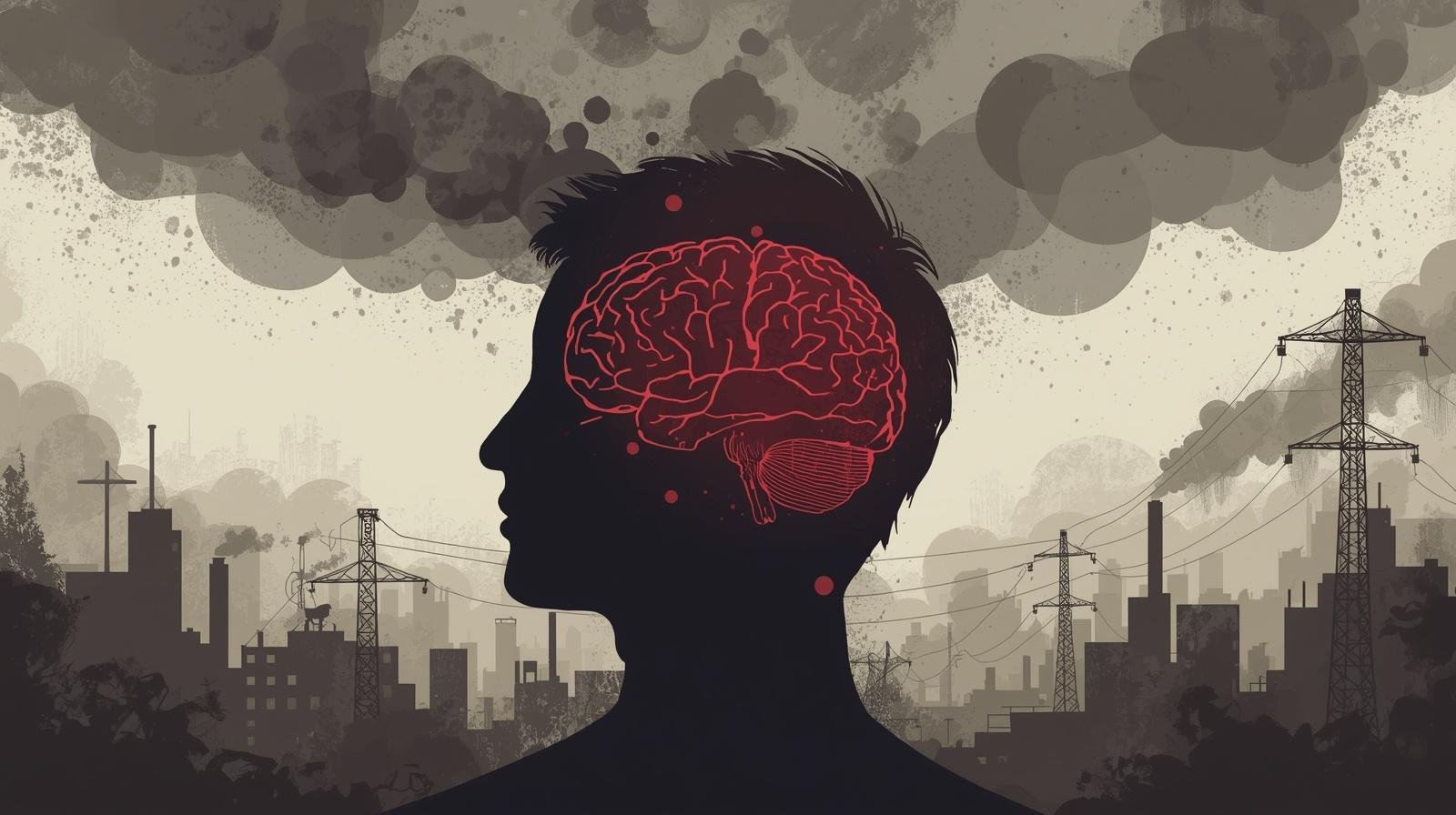
Chronic stress occurs when you experience persistent psychological or physical pressure over a prolonged period — such as ongoing work pressure, financial worries, or long-term personal challenges. Unlike short, acute stress that can momentarily sharpen alertness and performance, chronic stress keeps the body’s stress response continually activated. This prolonged activation leads to sustained release of stress hormones like cortisol and adrenaline, which are meant for fight-or-flight reactions. Persistently high levels of these hormones can have far-reaching effects on essential body systems, especially your cardiovascular and immune systems.
How Chronic Stress Raises Blood Pressure
When your nervous system detects stress, it stimulates the adrenal glands to release hormones such as adrenaline and cortisol. These hormones cause your heart rate to increase and your blood vessels to constrict so that more oxygen and energy are available to deal with perceived threats. While this reaction is helpful in short bursts, chronic stress maintains elevated hormone levels continuously, preventing the body from returning to a resting state. Over time, this leads to persistent increases in blood pressure (hypertension) — a major risk factor for heart disease, stroke, and other cardiovascular conditions. Chronic stress also contributes to unhealthy coping behaviors (like poor diet, lack of sleep, or smoking) that further worsen blood pressure issues.
How Chronic Stress Weakens the Immune System
The immune system is highly responsive to signals from the brain and endocrine system, including stress hormones. In the short term, stress can actually mobilize certain immune cells to fight off immediate threats. However, long-term exposure to stress hormones leads to immune suppression. Cortisol and other stress mediators can reduce the number and effectiveness of white blood cells, impair the body’s antibody response, and disrupt normal inflammatory control. As a result, people experiencing chronic stress may face more frequent infections, slower wound healing, chronic inflammation, and a weakened defense against illnesses. This prolonged dysregulation may also contribute to autoimmune imbalance where the immune system becomes less precise in distinguishing self from foreign cells.
Health Impacts of Prolonged Stress Response
Chronic stress not only affects blood pressure and immunity but also contributes to broader health issues, including headaches, sleep disturbances, digestive problems, depression, and metabolic changes. Over time, the “wear and tear” from ongoing stress can impair quality of life and increase the risk of serious long-term diseases. Many health authorities emphasize that stress should be treated not as a purely emotional problem, but as a condition with real, measurable effects on physical health.
Evidence-Based Stress Management Strategies
Because chronic stress affects so many body systems, health guidelines recommend a multi-faceted approach to stress reduction. Practices shown to help include:
- Mindfulness and meditation: These techniques can calm the nervous system and reduce cortisol levels.
- Regular physical activity: Exercise helps lower resting blood pressure and improves immune function.
- Healthy sleep habits: Adequate sleep supports the body’s recovery processes and immune defenses.
- Social support: Strong relationships reduce psychological distress and improve resilience.
Avoiding harmful coping mechanisms: Limiting alcohol, tobacco, or overeating prevents further strain on cardiovascular and immune systems.
Summary
Chronic stress triggers biological responses that can raise blood pressure and suppress immune function. These effects are grounded in well-understood physiological mechanisms involving stress hormones and prolonged activation of the body’s danger response systems. Left unmanaged, chronic stress contributes to serious health risks, but intentional lifestyle changes and stress-management practices can significantly reduce these risks and support overall well-being.
Sources
- Stress | NCCIH (NIH) – Overview of stress reactions and impacts on health. https://www.nccih.nih.gov/health/stress
- Stress and Your Immune System: Is There a Link? | Healthline – How stress affects immune function and symptoms. https://www.healthline.com/health/stress-and-immune- system
- Chronic Stress and Immune Dysregulation | MDPI – Scientific review of HPA axis and immune imbalance. https://www.mdpi.com/1422-0067/26/20/9994
- Chronic Stress Puts Your Health at Risk | Mayo Clinic – Effects of prolonged stress on body systems. https://www.mayoclinic.org/health/stress/SR00001
- Effects of Stress on the Body and Hypertension | Apollo247 – How stress contributes to increased blood pressure. https://www.apollo247.com/health-topics/general-medical-consultation/effects-of-stress-on-body-and-hypertension
- Stress Management | American Heart Association – Practical techniques to counteract stress. https://www.heart.org/en/healthy-living/healthy-lifestyle/stress-management