
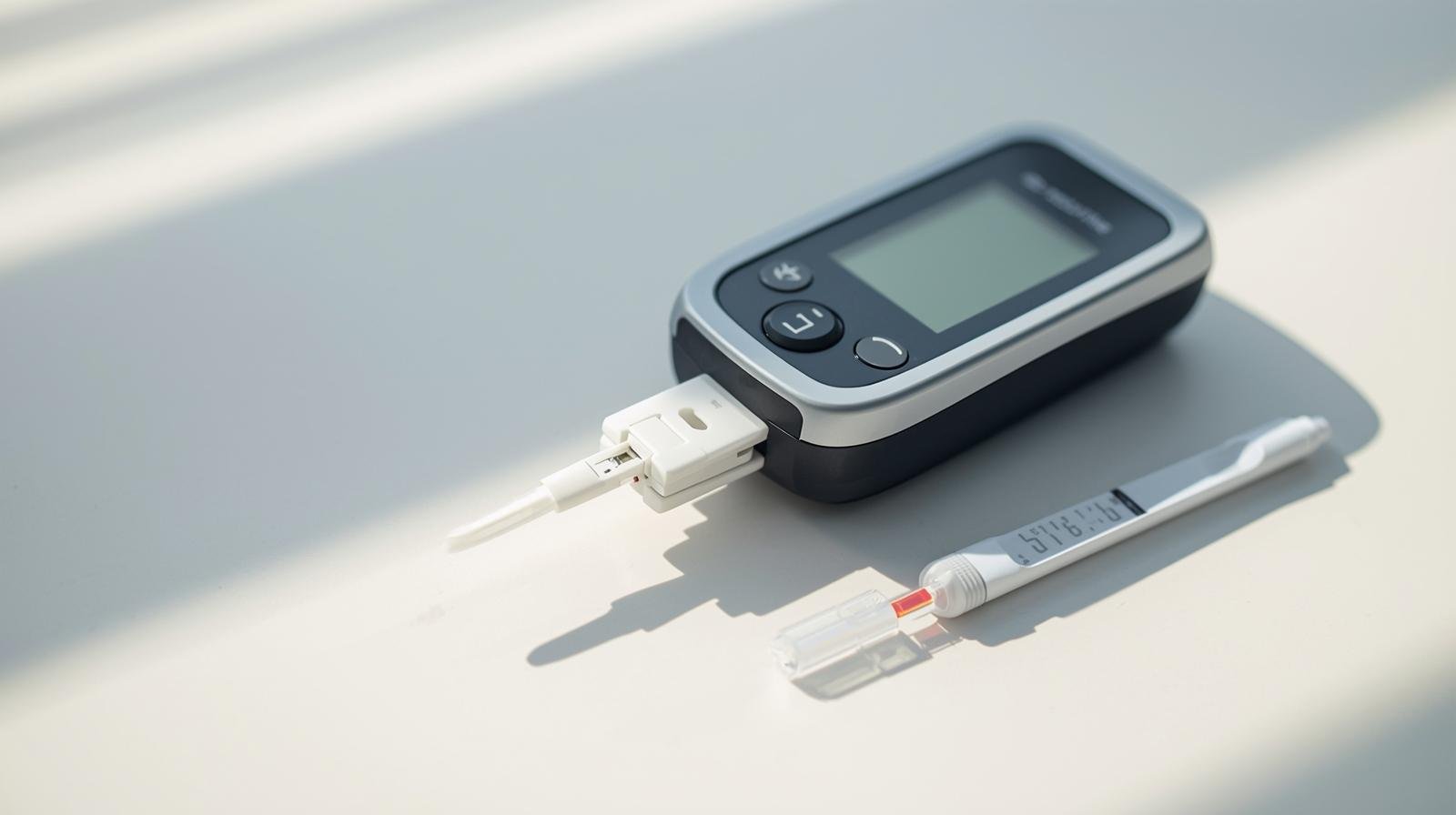
Diabetes, especially in its early stages, often develops without obvious symptoms. Many people may have elevated blood sugar levels for years before noticing major warning signs. During this silent phase, high glucose levels can quietly damage critical organs — particularly nerves, eyes, and kidneys — long before a formal diagnosis is made.
Why Early Diabetes Can Go Unnoticed
In the beginning, blood sugar (glucose) may be only mildly elevated. This means that traditional symptoms like thirst, fatigue, or frequent urination might be subtle or absent. Health professionals call diabetes a “silent disease” because it often causes no discomfort while already affecting internal systems.
Even after diagnosis, many individuals have already lived with diabetes for years—often long enough for complications to begin. Because early symptoms can be subtle, routine screenings are vital, especially for high-risk groups (e.g., overweight individuals, those with family history, or older adults).
Nerve Damage: Diabetic Neuropathy
One of the most common complications of prolonged high blood sugar is diabetic neuropathy — nerve damage that can occur throughout the body. High glucose levels injure the tiny blood vessels that supply nerves, reducing oxygen and nutrient flow.
Peripheral neuropathy affects the feet and legs first, leading to numbness, tingling, or burning sensations. It often begins gradually and may be painless at first, meaning significant nerve injury can occur before detection.
Autonomic neuropathy can affect internal functions such as digestion, heart rate, bladder control, and blood pressure regulation.
Early nerve damage may not cause noticeable symptoms, therefore regular neurological screening is important once diabetes is diagnosed.
Silent Eye Damage: Diabetic Retinopathy
The eyes are extremely sensitive to high blood sugar. Over time, elevated glucose damages tiny blood vessels in the retina — the light-sensitive layer at the back of the eye — leading to diabetic retinopathy. In early stages, this condition often causes no noticeable symptoms, yet it can progress to vision loss and even blindness if untreated.
How it Happens;
- Blood vessel walls become weak or leak fluid.
- Some vessels may close off, depriving areas of the retina of oxygen.
- In later stages, abnormal new blood vessels may form and bleed.
Regular dilated eye exams are recommended for all people with diabetes, even when vision feels normal, because the earliest stages of damage are invisible without specialist evaluation.
Kidney Damage: Diabetic Nephropathy
The kidneys play a vital role in filtering waste from the blood. High blood sugar slowly damages the tiny filtering units in the kidneys, a process known as diabetic nephropathy. In early stages this damage usually causes no symptoms — another reason diabetes can remain undetected until its effects are significant.
Doctors often test for protein in the urine (albumin), which can be an early sign of kidney damage. Annually checking urine and blood values helps catch kidney involvement before symptoms such as fatigue or swelling appear.
Left unmanaged, nephropathy can progress toward chronic kidney disease, eventually requiring dialysis or transplant. However, early detection and good blood sugar and blood pressure control can slow progression significantly.
How High Blood Sugar Causes Organ Damage
The underlying mechanism across these complications is prolonged exposure to high glucose levels in the blood. Excess sugar:
- Damages small blood vessels throughout the body, particularly in the eyes and kidneys.
- Harms nerves indirectly by reducing the blood flow they depend on.
- Weakens the immune system and slows healing, increasing vulnerability to infections and delayed wound repair.
Keeping blood sugar within target ranges dramatically lowers the risk of these and other complications and is the cornerstone of diabetes care.
Importance of Early Detection and Regular Checkups
Diabetes can quietly damage vital organs without producing obvious symptoms, so proactive health care becomes essential. This includes:
- Routine blood glucose testing and HbA1c monitoring.
- Annual eye examinations with dilation.
- Regular urine and kidney function tests.
- Periodic neuropathy screening.
Early intervention — through medication, lifestyle changes, and consistent monitoring — can help slow or prevent long-term damage.
Sources
- Mayo Clinic — Diabetic neuropathy (nerve damage). https://www.mayoclinic.org/diseases-conditions/diabetic-neuropathy/symptoms-causes/syc-20371580
- National Kidney Foundation — Diabetes and your organs. https://www.kidney.org/kidney-topics/diabetes-and-your-eyes-heart-nerves-feet-and-kidneys
- Healthline — Early signs of type 2 diabetes. https://www.healthline.com/health/diabetes/early-warning-signs-type-2-diabetes
- Cleveland Clinic — Early signs and silent damage. https://health.clevelandclinic.org/is-diabetes-sneaking-up-on-you-6-early-signs
- Times of India — How diabetes damages the eyes https://timesofindia.indiatimes.com/life-style/health-fitness/health-news/how-diabetes-can-make-you-blind-early-signs-and-prevention/articleshow/125303190.cms
- Times of India — Diabetes and kidney damage without warning https://timesofindia.indiatimes.com/life-style/health-fitness/health-news/how-diabetes-can-damage-your-kidneys-without-warning/photostory/123144524.cms