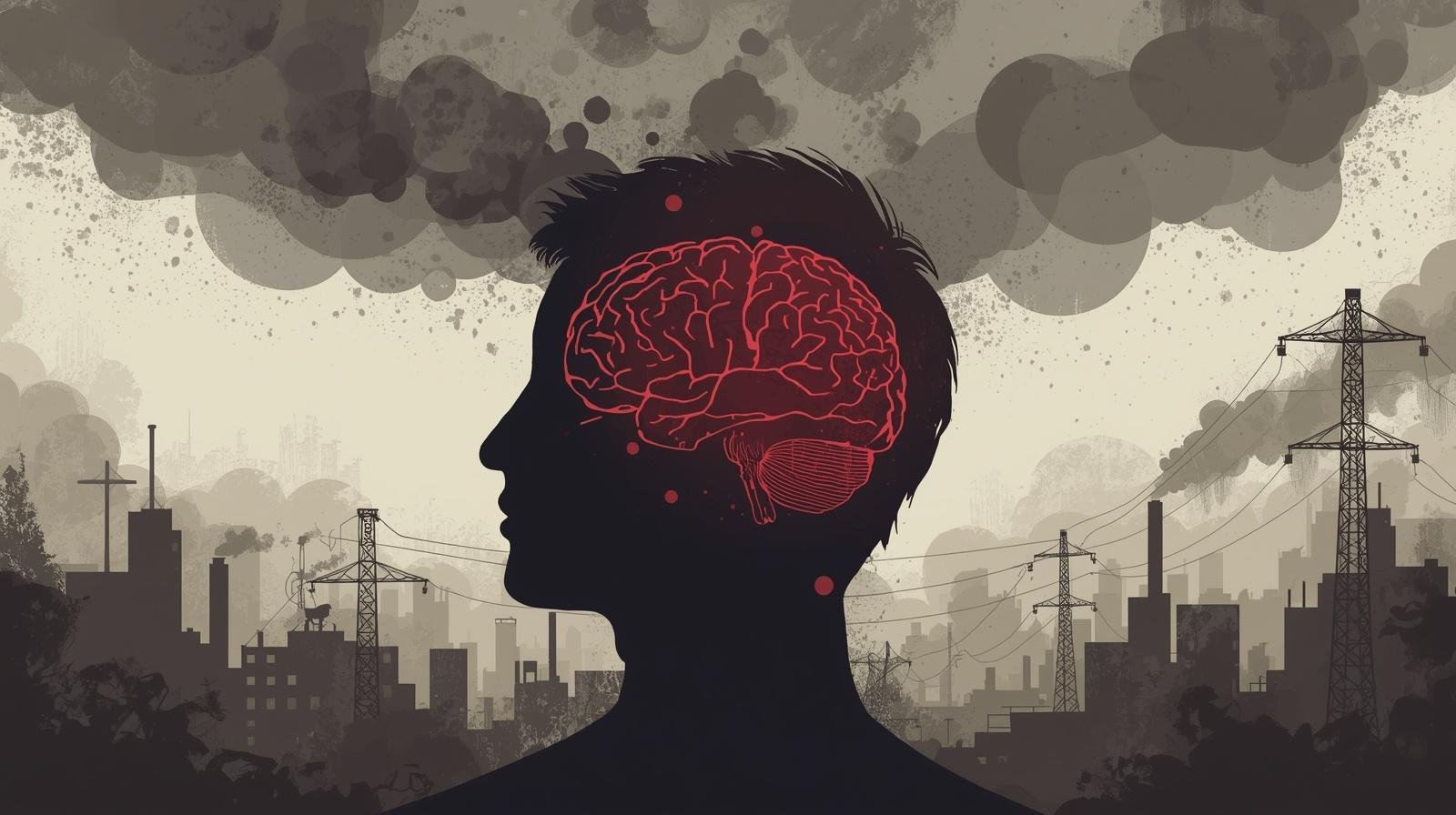

Stress is a normal physiological and psychological response to challenges in life. While short-term (acute) stress can be adaptive and helpful, chronic stress—stress that persists over time without adequate recovery—can have widespread, harmful effects on both the body and mind.
What Is Chronic Stress?
Chronic stress occurs when the body’s stress response stays activated over prolonged periods. The brain triggers the release of stress hormones like cortisol and adrenaline as part of the “fight-or-flight” response. In short bursts these hormones help us navigate danger or pressure. But when stressors remain constant, the body stays in a heightened state, and stress hormones remain elevated, disrupting normal physiological processes.
1. Cardiovascular and Metabolic Risks
Chronic stress increases heart rate and blood pressure, placing extra strain on the cardiovascular system. Over time, this contributes to hypertension, plaque buildup in arteries, heart attacks, and strokes.
Elevated cortisol influences blood sugar regulation, raising the risk of insulin resistance and type 2 diabetes. Stress also promotes abdominal fat accumulation, a key component of metabolic syndrome.
2. Immune Dysfunction and Chronic Inflammation
Stress hormones suppress immune function, making the body less effective at fighting infections and slower to heal injuries. Chronic stress is also associated with chronic inflammation, which is linked to a wide array of diseases, including autoimmune disorders and worsening outcomes in chronic conditions.
Long-term studies also suggest that how quickly we emotionally recover from stress can influence risk for chronic diseases years later.
3. Digestive and Gastrointestinal Effects
The “gut-brain axis” means mental stress directly affects digestive health. Chronic stress can:
- Slow or dysregulate digestion
- Worsen conditions like irritable bowel syndrome (IBS)
- Increase acid reflux and contribute to peptic ulcers
- Alter gut microbiome balance
These changes can result in discomfort, diarrhea, constipation, or bloating.
4. Musculoskeletal Tension and Pain
Persistent stress triggers muscle tightening as part of the body’s readiness for danger. Over time, this can lead to:
- Headaches and migraines
- Chronic tension in the neck, shoulders, and back
- Fibromyalgia-like symptoms
Relaxation techniques and physical therapy often help relieve this chronic tension.
5. Sleep Disturbances
Chronic stress often interrupts normal sleep patterns, causing:
- Trouble falling asleep
- Waking frequently during the night
- Non-restorative (poor quality) sleep
Poor sleep further elevates stress hormones, creating a vicious cycle of worsening stress and insomnia.
6. Mental Health Effects
Prolonged stress is strongly linked to:
- Anxiety disorders
- Depression
- Emotional dysregulation
- Increased susceptibility to mood disorders
Persistent stress changes neural pathways and hormone balances involved in mood and cognition.
7. Cognitive and Nervous System Impact
Chronic high cortisol affects key brain regions such as the hippocampus (involved in memory) and prefrontal cortex (executive function). This can lead to:
- Poor memory and concentration
- Difficulty learning new information
- Increased emotional reactivity
Long-term stress responses may even contribute to brain structural changes, although research is ongoing.
8. Behavioral and Lifestyle Consequences
Prolonged stress can foster unhealthy coping mechanisms such as:
- Overeating
- Substance use
- Social withdrawal
- Reduced physical activity
These behaviors can further harm physical and emotional health, creating a self-perpetuating cycle of stress and poor wellbeing.
How Chronic Stress Reduces Quality of Life
Taken together, the physical and psychological effects of chronic stress can significantly reduce life satisfaction and functioning. People with unmanaged chronic stress often report:
- Reduced productivity
- Lowered immune defense with frequent infections
- Persistent fatigue
- Reduced mental clarity
- Poor overall health outcomes
Conclusion
Chronic stress is not “just in your head”—it affects nearly every major system in the body. While stress is unavoidable, effective management through lifestyle habits, coping strategies, and therapeutic support can mitigate its damaging effects and protect long-term health.
Sources
- Mayo Clinic – Chronic stress and health risks: https://www.mayoclinic.org/health/stress/SR00001
- National Center for Complementary and Integrative Health (NCCIH) – Stress overview: https://www.nccih.nih.gov/health/stress
- Riverside Health – How stress affects the body/ https://www.riversideonline.com/medical-services/cardiovascular-health-and-wellness/stress-and-health
- University of Maryland Medical System – Long-term stress effects: https://health.umms.org/2025/08/26/how-long-term-stress-affects-your-body/
- Mayo Clinic – Stress symptoms and effects: https://www.mayoclinic.org/healthy-lifestyle/stress-management/in-depth/stress-symptoms/art-20050987
- NIH Research Matters – Stress recovery and long-term health: https://www.nih.gov/news-events/nih-research-matters/lingering-feelings-over-daily-stresses-may-impact-long-term-health
- Preprints.org – Chronic stress long-term analysis: https://www.preprints.org/manuscript/202408.1287/v1