
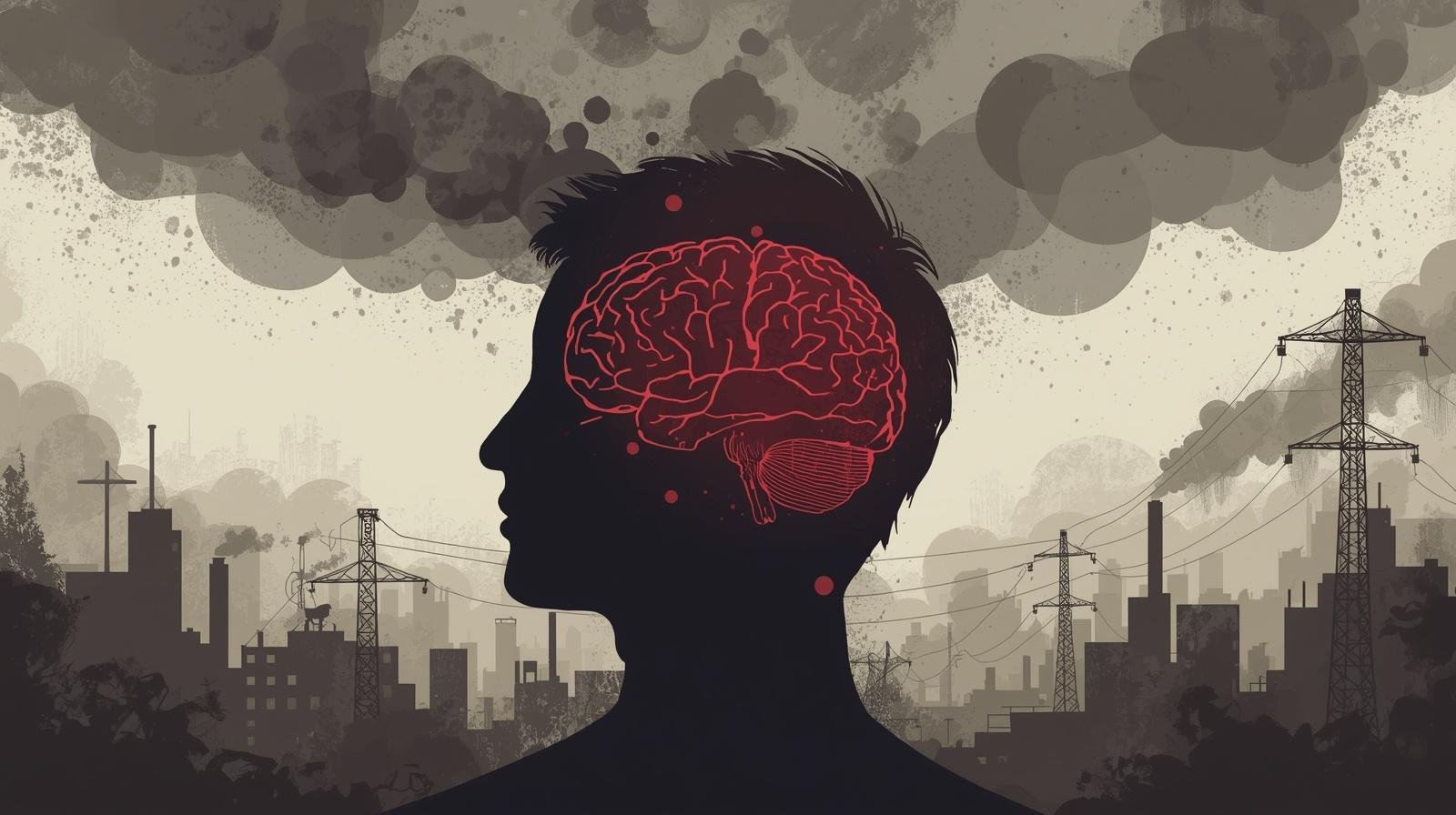
Stroke remains one of the leading causes of death and disability worldwide. While traditional risk factors — such as hypertension, smoking, and diabetes — are well known, environmental factors like air pollution are increasingly recognized as a powerful contributor to stroke risk. Understanding this link empowers you to take action for better brain health.
Understanding Air Pollution
Air pollution refers to harmful substances in the air, including:
- Particulate Matter (PM2.5, PM10)
- Nitrogen dioxide (NO2)
- Sulfur dioxide (SO2)
- Ground‑level ozone (O3)
- Carbon monoxide (CO)
These pollutants originate from vehicles, industry, burning fossil fuels, wildfires, and even indoor smoke.
The Link Between Air Pollution and Stroke
Multiple studies show that people exposed to high levels of air pollution have a higher risk of stroke, especially ischemic stroke — the most common type caused by blocked blood flow to the brain. Air pollution increases stroke risk by:
- Triggering inflammation in the blood vessels
- Increasing oxidative stress
- Causing arterial stiffness
- Promoting blood clot formation
This leads to reduced blood flow to the brain, increasing the chances of a stroke.
Even short‑term spikes in pollution can trigger stroke events, especially in older adults and those with existing cardiovascular conditions.
How Air Pollution Affects Stroke Risk — Detailed Mechanisms
1. Systemic Inflammation
Pollutants enter the bloodstream and trigger inflammation, which damages blood vessel walls and accelerates atherosclerosis — a key cause of stroke.
2. Blood Coagulation
Air pollution alters the blood’s clotting mechanisms, making clots more likely. Clots can block arteries leading to the brain.
3. High Blood Pressure
Polluted air may trigger vasoconstriction (blood vessel narrowing) and raise blood pressure — a major stroke risk factor.
4. Oxidative Stress
Free radicals generated by pollutants damage cells and DNA, worsening vascular damage.
Types of Stroke Linked to Air Pollution
| Stroke Type | Pollution Effect |
| Ischemic Stroke | Most strongly linked — due to blood vessel blockage |
| Hemorrhagic Stroke | Evidence suggests weaker association |
| Transient Ischemic Attack (TIA) | Pollution may trigger temporary symptoms |
High‑Risk Groups
Pollution increases stroke risk for everyone, but especially:
- Seniors (age 65+)
- People with heart disease
- Individuals with high blood pressure
- Smokers
- Those living in urban traffic zones
Signs & Symptoms of Stroke
Use the FAST method:
- F — Face drooping
- A — Arm weakness
- S — Speech difficulty
- T — Time to call emergency services
Early recognition saves lives.
Prevention: Reducing Stroke Risk from Air Pollution
Individual Actions
- Check daily air quality indexes
- Limit outdoor activities on high pollution days
- Use air purifiers indoors
- Avoid peak traffic exposure
- Wear pollution masks (N95/KN95)
Lifestyle Measures
- Control blood pressure
- Eat anti‑inflammatory foods
- Maintain a healthy weight
- Exercise safely
Community & Policy Solutions
- Promote clean energy sources
- Encourage low‑emission transport
- Urban greenery planting
Air Pollution & Global Health
According to WHO, poor air quality contributes to millions of premature deaths each year, including cardiovascular and stroke‑related deaths. Clean air is not just an environmental goal — it’s a major public health priority.
Conclusion
Air pollution is more than an environmental challenge — it’s a significant stroke risk factor. Recognize the danger, understand how exposure affects your health, and take proactive steps to protect yourself and your loved ones.
Resources
- Meta‑analysis showing short‑term air pollution exposure and increased stroke risk. https://www.sciencedaily.com/releases/2023/09/230928152634.htm
- Combination effects of air pollution and traffic noise on stroke risk. https://phys.org/news/2025-04-air-pollution-traffic-noise-combination.html
- Systematic evidence on global association between air pollution and stroke. https://pubmed.ncbi.nlm.nih.gov/24866079/
- Review article on air pollution and stroke/cardiovascular risk. https://pmc.ncbi.nlm.nih.gov/articles/PMC4276028/
- Comprehensive evidence of air pollution and cardiovascular disease. https://pmc.ncbi.nlm.nih.gov/articles/PMC5836577/
- Global disease burden including stroke attributable to air pollution. https://www.healthdata.org/news-events/newsroom/news-releases/lancet-neurology-air-pollution-high-temperatures-and-metabolic
- Recent cohort study on PM₂.₅ and stroke occurrence. https://www.mdpi.com/2073-4433/15/11/1327
- World Health Organization (WHO) – reports on the health impacts of air pollution, including cardiovascular effects. https://www.who.int/health-topics/air-pollution
- American Heart Association (AHA) – discusses how environmental pollutants affect heart and brain health. https://www.heart.org