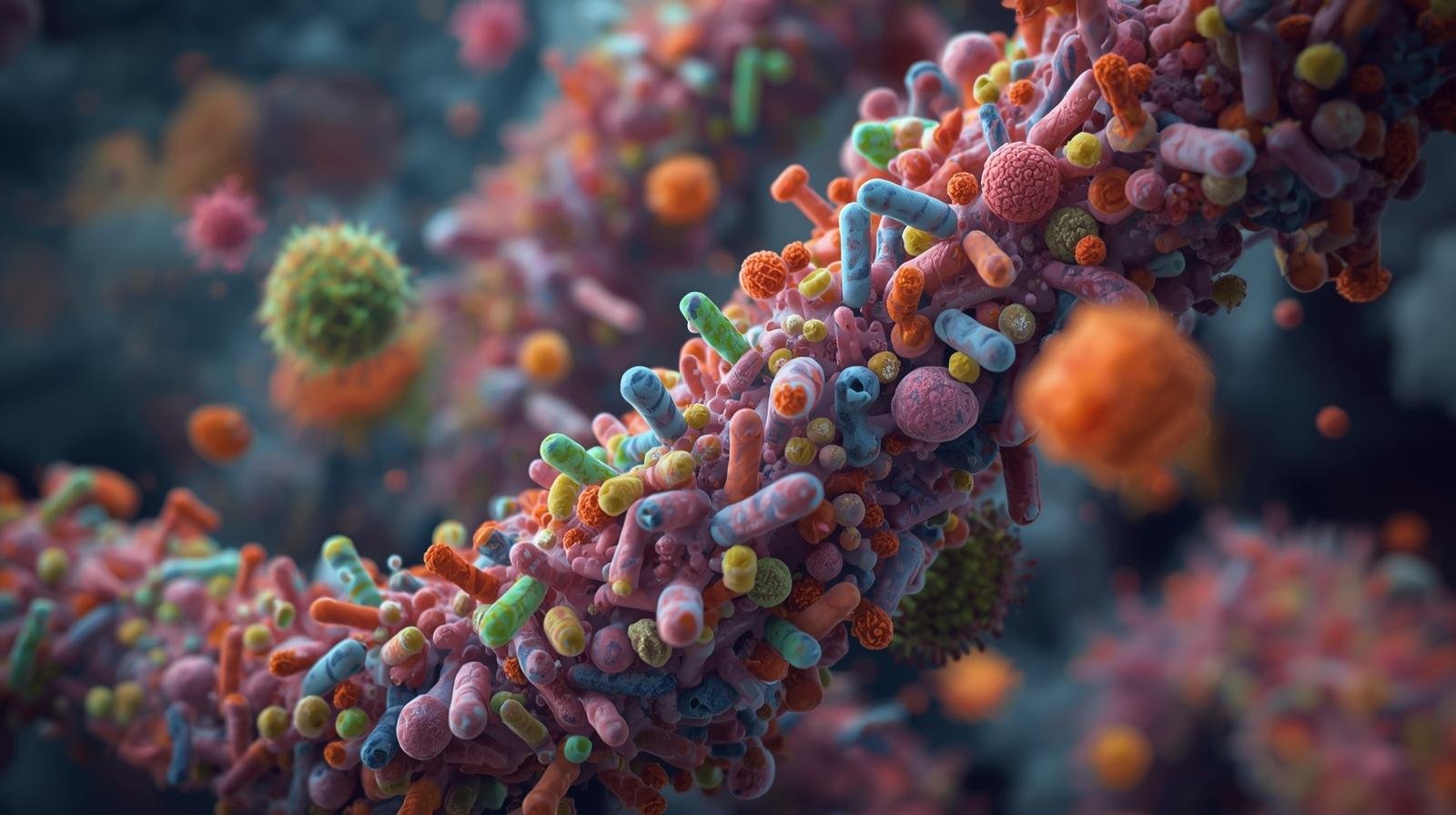
Many people believe food cravings are purely a matter of willpower. However, recent research in gut microbiome science reveals a fascinating truth: the trillions of microbes living in your digestive system can influence your appetite, taste preferences, and even cravings for certain foods.
Understanding how gut bacteria affect food cravings can help explain why some people constantly crave sugar, while others prefer savory snacks—and it may open new ways to improve your overall health.
What Is the Gut Microbiome?
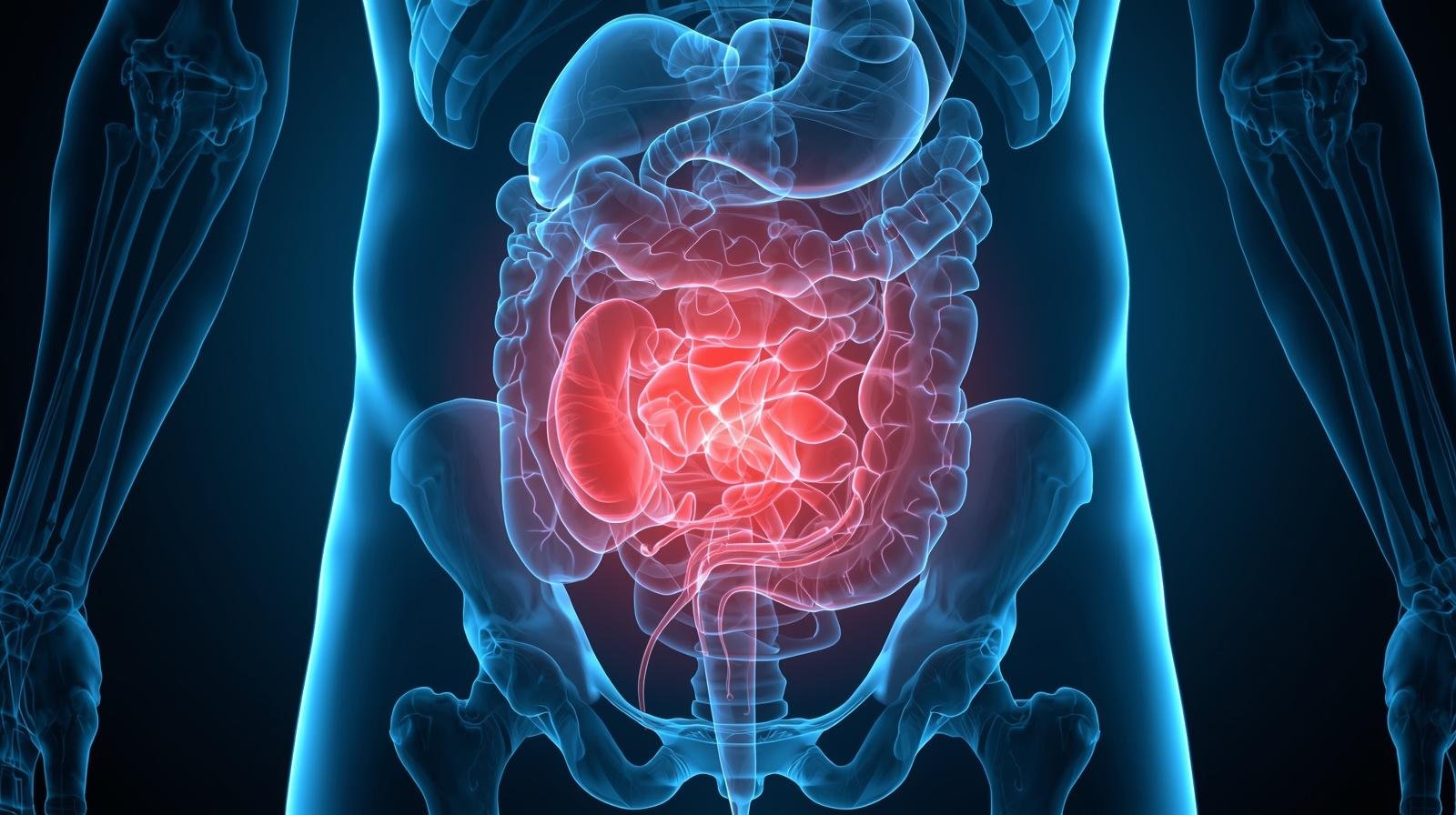
The human gut contains trillions of microorganisms, including bacteria, fungi, and other microbes, collectively known as the gut microbiome. Scientists often call it a “hidden organ” because of its crucial role in digestion, metabolism, immune function, and brain health.
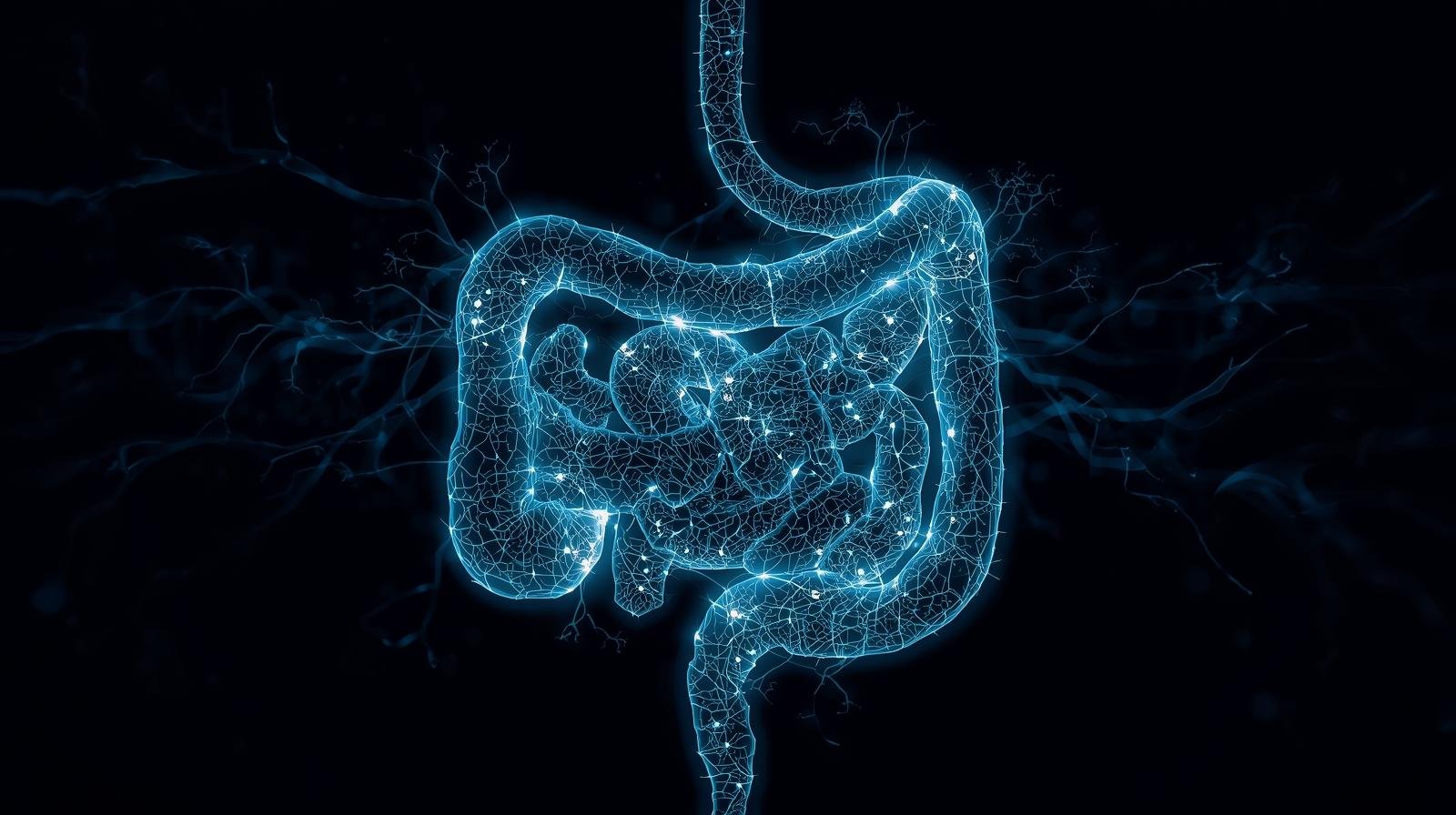
One of the most groundbreaking discoveries is how gut bacteria communicate with the brain through the gut-brain axis. This network of nerves, hormones, and chemical messengers links your digestive system with your brain, allowing gut microbes to potentially influence mood, hunger, and food cravings.
How Gut Bacteria Influence Food Cravings
Gut microbes thrive on different nutrients. Some flourish on fiber from plant foods, while others survive on sugar or processed carbs. These microbes can influence cravings in several ways:
1. Sending Chemical Signals to the Brain
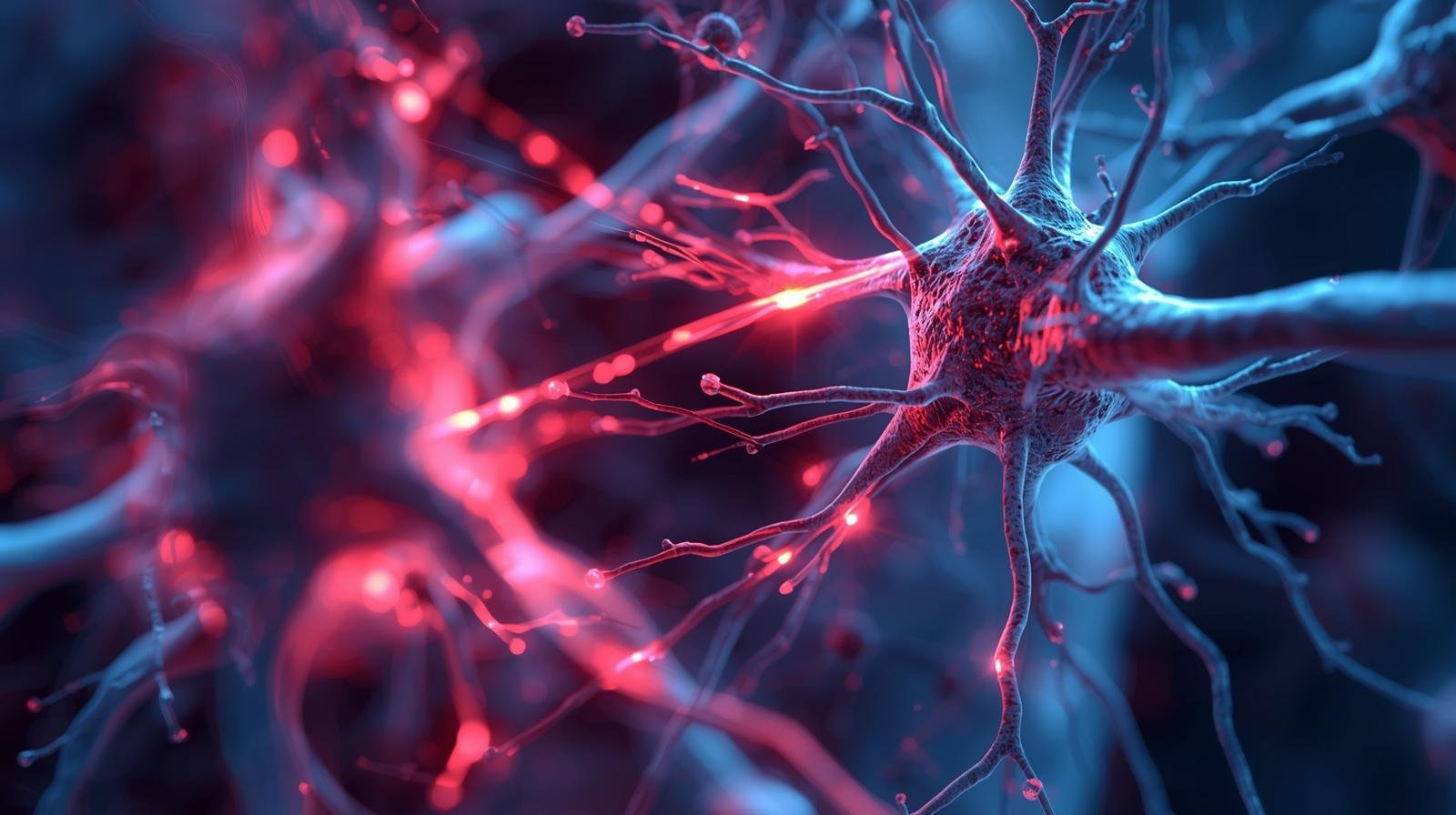
Gut bacteria produce neurotransmitters like serotonin and dopamine, which affect mood, reward pathways, and appetite regulation. In fact, about 90% of serotonin, the “feel-good” chemical, is made in the gut. This connection shows that gut health directly affects both cravings and emotional eating.
2. Altering Hunger Hormones
Certain microbes influence hormones such as ghrelin, which stimulates appetite, and leptin, which signals fullness. When specific bacteria dominate your gut, they may push your body toward foods that support their survival—like sugar-rich snacks for sugar-loving microbes.
3. Activating the Reward System
Sugary and ultra-processed foods activate the brain’s reward pathways. Some gut microbes may amplify this effect, making you crave foods that benefit their growth. This explains why cravings can sometimes feel irresistible.
4. Changing Taste Perception
Emerging studies suggest gut bacteria may even influence how we perceive taste. Over time, changes in gut microbes could alter how satisfying certain foods feel, which may explain why taste preferences shift when adopting a healthier diet.
Poor Gut Health Causes Unhealthy Cravings
An imbalance in gut bacteria, known as gut dysbiosis, can contribute to stronger cravings for unhealthy foods. Diets high in processed foods, sugar, and low in fiber reduce beneficial bacteria, allowing harmful species to dominate. Gut dysbiosis has been linked to:
- Obesity
- Type 2 Diabetes
- Metabolic Syndrome
When your gut diversity decreases, appetite regulation can become disrupted, making cravings more frequent and harder to resist.
How to Improve Gut Health and Reduce Cravings?
The gut microbiome is highly adaptable, and dietary changes can shift microbial balance within weeks. Here’s how to support a healthy gut:
Eat Fiber-Rich Foods
Fiber feeds beneficial bacteria. Include vegetables, fruits, legumes, and whole grains to promote a healthy microbiome and regulate appetite.
Include Fermented Foods
Fermented foods contain live probiotics that diversify gut bacteria. Examples include yogurt, kefir, kimchi, and sauerkraut.
Reduce Processed Foods and Sugar
Highly processed foods can damage gut diversity. Limiting sugar and refined carbs may help restore balance and reduce unhealthy cravings.
Increase Dietary Variety
Eating a wide range of plant-based foods encourages microbial diversity, which is associated with better metabolism, appetite control, and overall health.
The Future of Gut Microbiome Research
Scientists are exploring personalized nutrition plans and targeted probiotics to reshape the gut microbiome and influence appetite. In the future, we may be able to control cravings and support metabolic health by manipulating gut bacteria.
Summary
Food cravings aren’t just psychological—they can be heavily influenced by the gut microbiome. Through the gut-brain axis, your gut bacteria communicate with your brain to impact appetite, taste, and even emotional eating.
Supporting gut health through a fiber-rich diet, fermented foods, and reduced processed foods can help regulate cravings, improve digestion, and boost overall well-being. After all, the food you eat doesn’t just feed your body—it feeds the trillions of microbes living inside you.
Sources
- Harvard Medical School – Gut Microbiome Research: https://www.health.harvard.edu
- National Institutes of Health – Human Microbiome Project: https://hmpdacc.org
- World Health Organization – Nutrition and Gut Health: https://www.who.int
- Nature Reviews Microbiology – Gut–Brain Axis Research: https://www.nature.com