
Stress is a natural biological response that helps the body adapt to challenges and threats. In short-term situations, it can improve alertness and performance. However, when stress becomes long-term or chronic, the body remains in a constant state of physiological activation. According to recent medical guidelines, prolonged elevation of stress hormones such as cortisol and adrenaline disrupts normal bodily regulation and contributes to disease development across multiple organ systems.
What Is Long-Term (Chronic) Stress?
Long-term stress refers to continuous or repeated exposure to psychological, emotional, or physical stressors without sufficient recovery. Instead of returning to baseline after a stressful event, the nervous system remains activated and the hypothalamic-pituitary-adrenal (HPA) axis continues releasing stress hormones. Over time, this persistent hormonal imbalance interferes with normal immune, cardiovascular, metabolic, and neurological regulation.
1. Brain and Mental Health
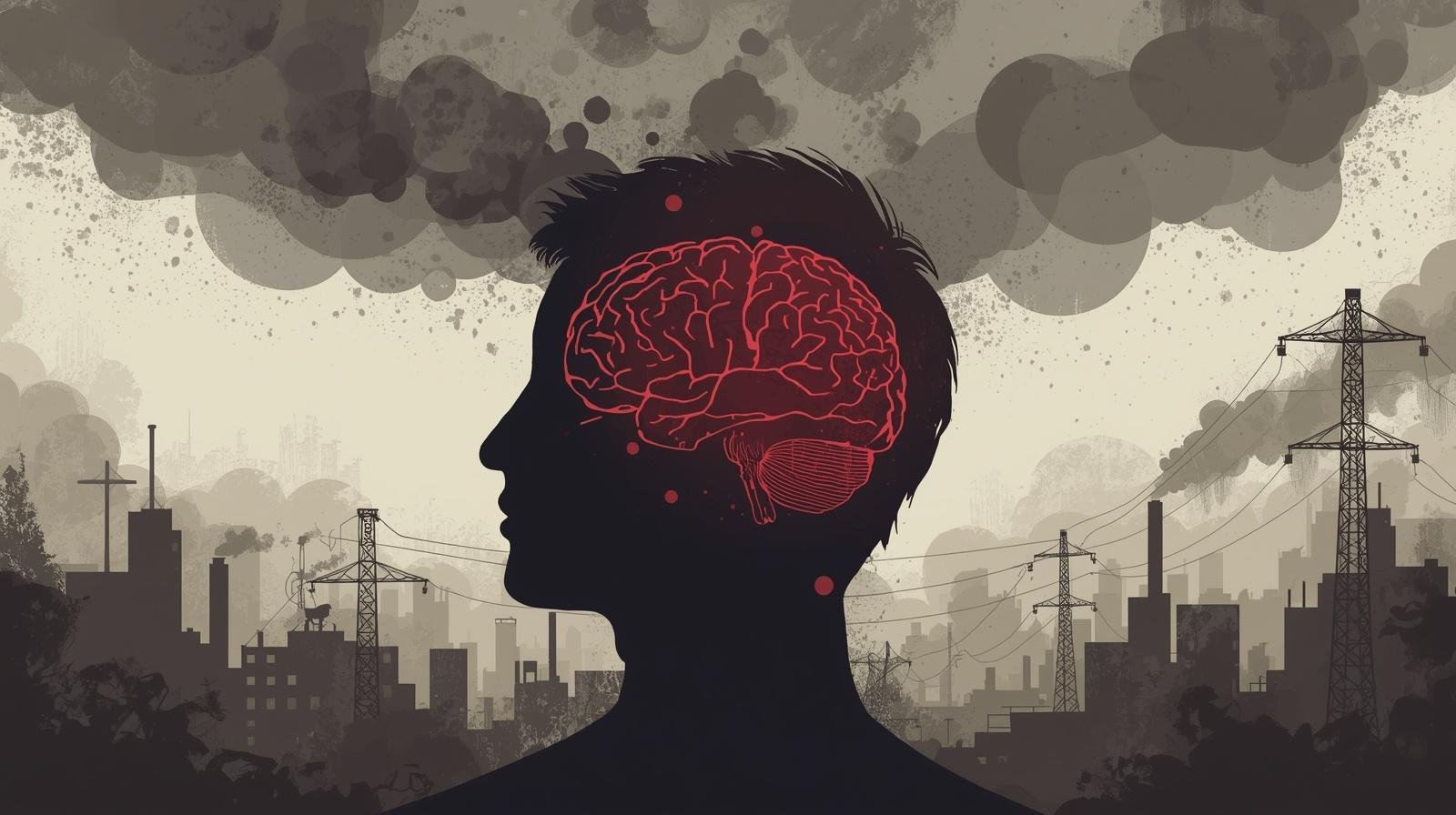
Chronic stress has a profound impact on brain structure and function. Persistent cortisol exposure impairs the hippocampus, the region responsible for memory formation and learning, while overstimulating the amygdala, which governs fear and emotional responses. This imbalance increases the risk of anxiety disorders, depression, impaired concentration, emotional instability, and memory decline. Recent neuroimaging studies also suggest that chronic stress alters neural connectivity, increasing vulnerability to long-term mood disorders and cognitive impairment.
2. Cardiovascular and Blood Pressure Effects
The cardiovascular system is highly sensitive to chronic stress. Sustained activation of the sympathetic nervous system leads to prolonged elevation of heart rate and blood pressure. Over time, this damages the lining of blood vessels, accelerates plaque formation, and promotes arterial stiffness. These changes significantly increase the risk of hypertension, coronary artery disease, heart attack, and stroke. The American Heart Association recognizes chronic psychosocial stress as an independent risk factor for cardiovascular disease.
3. Metabolic and Hormonal Consequences
Long-term stress disrupts metabolic balance through prolonged cortisol elevation. This interferes with glucose regulation, promotes insulin resistance, and increases the likelihood of developing type 2 diabetes. Stress hormones also favor fat deposition in the abdominal region, which is strongly associated with metabolic syndrome and cardiovascular risk. In addition, stress alters appetite control, often leading to overeating, cravings for high-calorie foods, or loss of appetite, contributing to unhealthy weight changes and nutritional imbalance.
4. Immune System Suppression and Inflammation
Chronic stress weakens immune defense by suppressing immune cell activity and reducing antibody production. This increases susceptibility to infections and slows wound healing. At the same time, persistent stress promotes chronic low-grade inflammation, a central mechanism in the development of cardiovascular disease, autoimmune disorders, cancer progression, and neurodegenerative diseases. Research from the National Institutes of Health shows that individuals with poor stress recovery have higher rates of chronic inflammatory illnesses later in life.
5. Digestive and Gut Health Effects
The digestive system is closely connected to the brain through the gut-brain axis, making it highly vulnerable to stress. Long-term stress alters gut motility, enzyme secretion, and intestinal permeability, increasing the risk of irritable bowel syndrome, acid reflux, gastritis, and inflammatory bowel disorders. Stress-induced changes in gut microbiota further disrupt digestion, immune regulation, and nutrient absorption, contributing to chronic gastrointestinal discomfort.
6. Musculoskeletal Pain and Physical Tension
Prolonged stress causes continuous muscle contraction, particularly in the neck, shoulders, and lower back. This leads to chronic musculoskeletal pain, stiffness, tension headaches, and migraine attacks. Stress also increases pain sensitivity by altering central pain processing pathways, which may contribute to chronic pain syndromes such as fibromyalgia. Over time, these conditions reduce mobility, impair sleep quality, and negatively affect daily functioning.
7. Long-Term Health Risks and Accelerated Aging
The cumulative effects of chronic stress extend beyond individual organs. Long-term studies demonstrate that individuals exposed to prolonged stress have higher rates of cardiovascular disease, metabolic disorders, depression, neurodegenerative conditions, and premature mortality. Persistent stress accelerates biological aging by promoting oxidative damage and telomere shortening, increasing vulnerability to age-related diseases. The World Health Organization identifies chronic stress as a major contributor to the global burden of non-communicable diseases.
Conclusion
Long-term stress is not merely a psychological condition but a systemic biological threat. It disrupts brain function, weakens immunity, damages the cardiovascular and metabolic systems, impairs digestion, increases chronic pain, and accelerates aging. Recent clinical guidelines emphasize early identification of chronic stress and intervention through regular physical activity, adequate sleep, balanced nutrition, psychological support, mindfulness practices, and structured stress-management programs. Preventing chronic stress is now considered a cornerstone of long-term disease prevention and healthy aging.
Sources
- World Health Organization – Stress and Mental Health
https://www.who.int/news-room/questions-and-answers/item/stress - National Center for Complementary and Integrative Health (NIH) – Stress
https://www.nccih.nih.gov/health/stress - American Heart Association – Stress and Heart Health
https://www.heart.org/en/healthy-living/healthy-lifestyle/stress-management - Harvard Medical School – Understanding the Stress Response
https://www.health.harvard.edu/staying-healthy/understanding-the-stress-response - National Institute on Aging – Effects of Chronic Stress
https://www.nia.nih.gov/health/stress