Have you ever noticed that headaches feel worse, muscle aches linger longer, or minor injuries hurt more after a poor night’s sleep? That’s not just in your head. Scientific research shows that sleep deprivation increases pain sensitivity, meaning your body reacts more strongly to discomfort when you don’t get enough rest.
Sleep is not just about feeling refreshed. It plays a vital role in regulating inflammation, balancing hormones, repairing tissues, and resetting the nervous system. When sleep is shortened or disrupted, these systems don’t function properly — and your body becomes more sensitive to pain.
What Happens in Your Brain When You Don’t Sleep Enough?
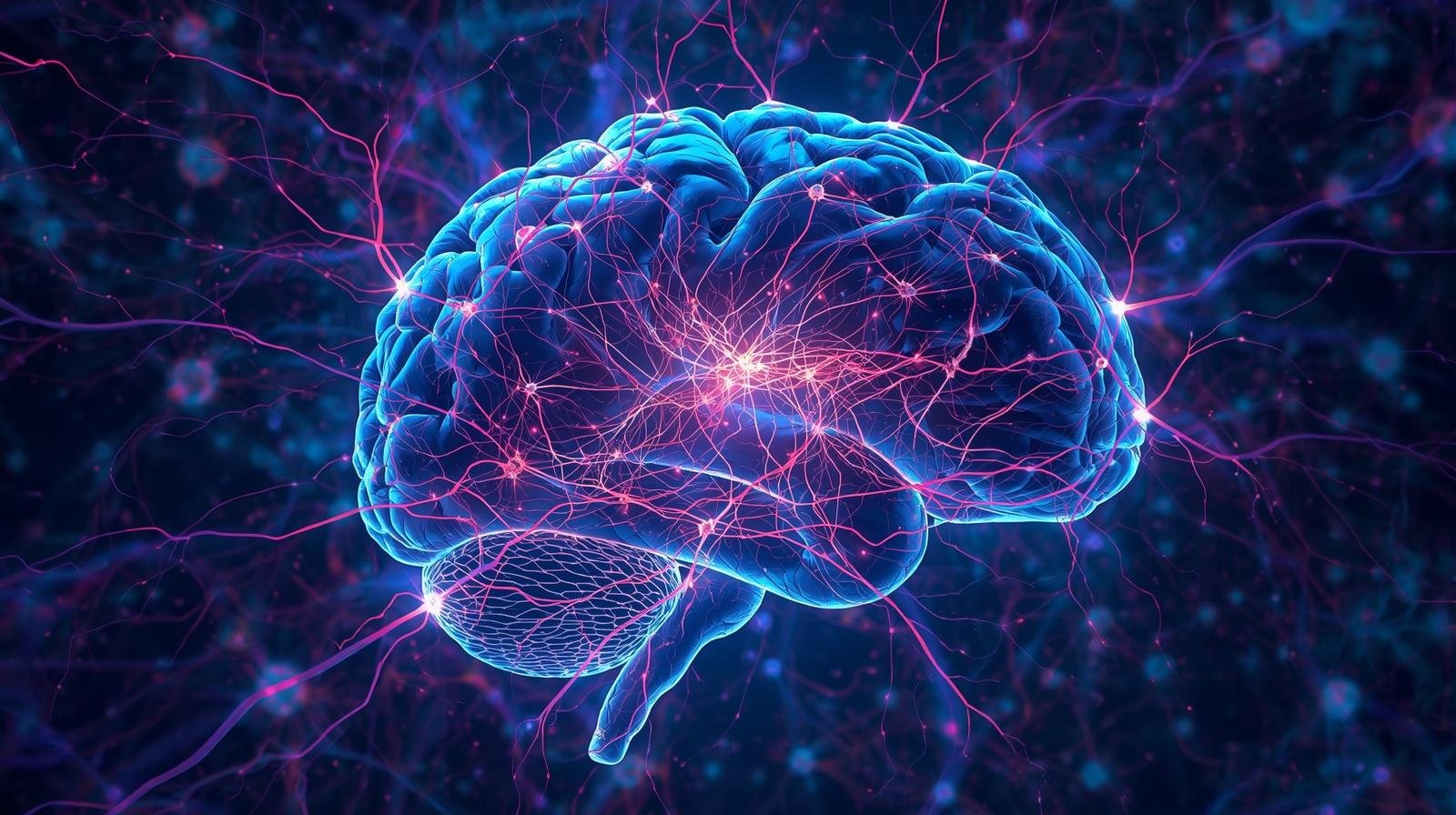
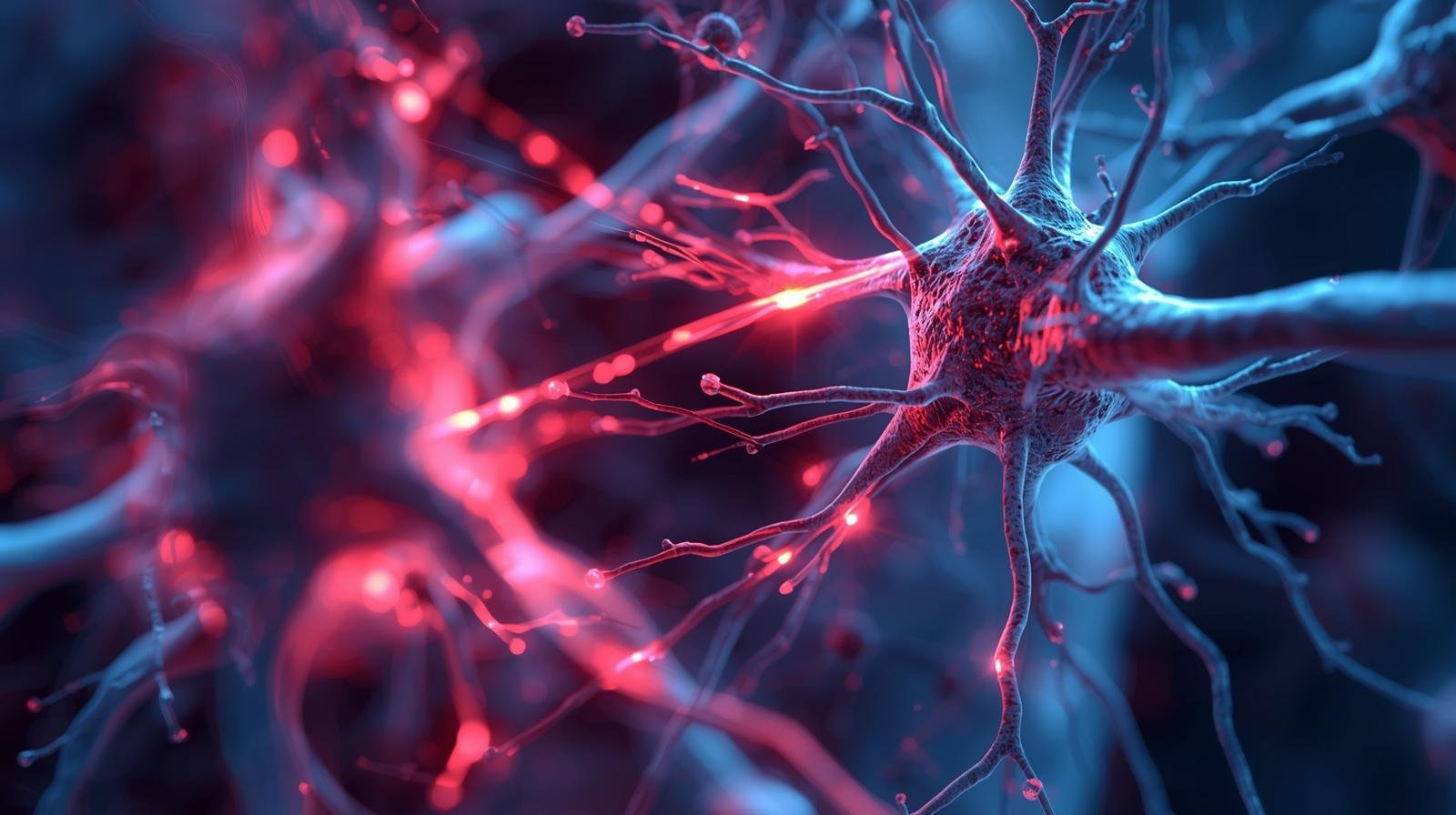
When you are sleep deprived, the parts of your brain that detect pain become more active. At the same time, the brain areas that normally help control and reduce pain become less effective.
This imbalance means that the body not only detects pain more easily, but it also loses some of its ability to dampen or control that pain. Essentially, sleep deprivation turns up the “volume dial” on pain perception.
Even One Night of Poor Sleep Can Lower Your Pain Threshold
Research shows that missing just one full night of sleep can lower your pain threshold. That means it takes less pressure, heat, or irritation to cause discomfort.
Studies have found that people who were kept awake overnight felt more sensitive to heat and pressure compared to when they were well-rested. Even partial sleep loss — such as sleeping 4–5 hours instead of 7–8 — can increase pain sensitivity. This is especially important because many adults regularly get less sleep than recommended.
Sleep Loss Increases Inflammation in the Body
Sleep helps regulate inflammation. When you don’t sleep enough, your body produces more inflammatory chemicals. These chemicals can irritate nerves and make pain signals stronger. Higher inflammation levels are linked to common problems such as:
- Back pain
- Joint pain
- Headaches and migraines
- Muscle soreness
Deep sleep, in particular, is important for controlling inflammation. When deep sleep is reduced, inflammation tends to rise — and so does pain.
The Vicious Cycle Between Pain and Poor Sleep
Pain and sleep problems often create a cycle. Pain can make it difficult to fall asleep or stay asleep. Then poor sleep makes pain worse the next day.
This cycle is common in people with chronic conditions like arthritis, fibromyalgia, and migraines. However, even healthy individuals can experience this pattern during periods of stress, illness, or injury. Breaking this cycle by improving sleep can significantly reduce pain levels over time.
Why Sleep Quality Matters?
Getting enough hours of sleep is important, but sleep quality also matters. Frequent awakenings, restless sleep, or disrupted sleep stages can increase pain sensitivity even if you spend enough time in bed.
Restorative sleep helps the body repair tissues, balance stress hormones, and regulate the nervous system. Without good-quality sleep, the body’s natural pain-control system weakens.
How Much Sleep Do Adults Need?
Most health organizations recommend that adults aim for 7–9 hours of sleep per night. Teenagers need even more, while older adults may require slightly less but still benefit from consistent, quality sleep.
If you regularly sleep less than 6 hours per night, your risk of increased pain sensitivity and other health problems rises significantly.
Simple Ways to Improve Sleep and Reduce Pain
Improving your sleep habits can help reduce pain naturally. Evidence-based strategies include:
- Going to bed and waking up at the same time every day
- Keeping your bedroom cool, dark, and quiet
- Avoiding caffeine late in the day
- Limiting screen time at least one hour before bed
- Practicing relaxation techniques like deep breathing or gentle stretching
- Seeking medical advice if sleep problems persist
Prioritizing sleep is one of the simplest and most powerful ways to support your body’s natural pain regulation system.
Conclusion
Scientific evidence clearly shows that sleep deprivation increases pain sensitivity by affecting the brain, increasing inflammation, and weakening the body’s pain-control systems. Even short-term sleep loss can make minor aches feel worse. Over time, chronic sleep deprivation may contribute to ongoing pain problems. If you want to reduce everyday aches, recover faster from injuries, and protect your long-term health, improving your sleep may be one of the most effective steps you can take.
Sources
- Harvard Health Publishing. Poor Sleep Can Change Your Reaction to Pain. https://www.health.harvard.edu/pain/poor-sleep-can-change-your-reaction-to-pain
- Sleep Foundation. The Connection Between Sleep and Pain. https://www.sleepfoundation.org/physical-health/pain-and-sleep
- Finan PH, et al. The Association of Sleep and Pain: An Update and a Path Forward. The Journal of Pain. https://pubmed.ncbi.nlm.nih.gov/24361080/
- Haack M, Mullington JM. Sustained Sleep Restriction and Pain Sensitivity. Sleep. https://pubmed.ncbi.nlm.nih.gov/15586779/
- Scandinavian Journal of Pain. Experimental Partial-Night Sleep Restriction Increases Pain Sensitivity. https://pubmed.ncbi.nlm.nih.gov/41021423/