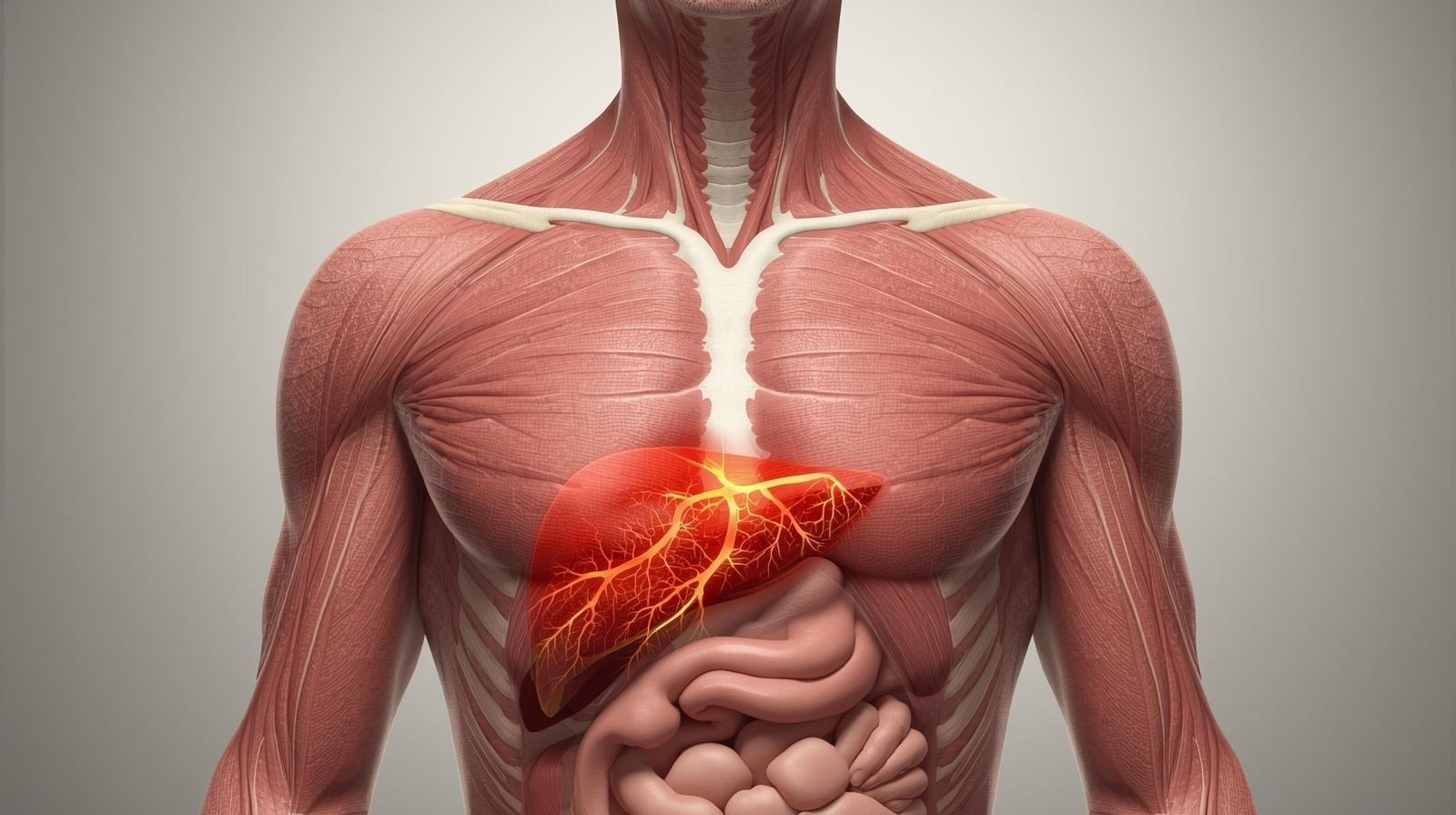
Your liver is one of the hardest-working organs in your body. It detoxifies your blood, metabolizes nutrients, produces bile for digestion, and helps regulate hormones and immune function. While the liver is built to handle a lifetime’s worth of toxins, persistent exposure to harmful substances, unhealthy lifestyle choices, or underlying health conditions may overwhelm its ability to function optimally. Recognizing the signs your liver is overloaded with toxins is essential for early identification and prevention of more serious liver diseases.
Why Liver Health Matters?
The liver constantly filters blood from the digestive tract, breaking down toxins (like alcohol, medications, and environmental chemicals) into less harmful waste, which is then excreted through bile or urine. However, when this organ is overworked, toxin buildup and liver cell damage can lead to functional decline and disease.
Common Signs of Liver Overload
1. Persistent Fatigue & Weakness
Feeling exhausted even after quality sleep is often one of the earliest signs of liver dysfunction. When toxin breakdown is inefficient, the liver strains to compensate, leaving you with low energy and heaviness.
2. Yellowing of Skin or Eyes (Jaundice)
Jaundice occurs when bilirubin, a waste product of red blood cell breakdown, accumulates because the liver can’t process it. This causes a yellow tint in skin and the whites of the eyes and is a hallmark symptom of advanced liver stress or disease.
3. Digestive Issues (Bloating, Nausea, Loss of Appetite)
The liver produces bile that helps break down fats. When overwhelmed, bile production or flow may decrease, leading to bloating, nausea, poor digestion, and a reduced appetite.
4. Changes in Urine or Stool Color
Dark urine and pale or clay-colored stools can indicate impaired bile processing — a key function of the liver. These color changes often signal that toxins like bilirubin are not being excreted normally.
5. Swelling and Fluid Retention
When the liver fails to produce enough albumin, fluid can collect in the legs (edema) or abdomen (ascites), causing swelling and discomfort.
6. Skin Changes (Itching, Rashes)
Poor liver function may lead to a buildup of bile salts in the skin, causing persistent itching (pruritus). Some individuals may also develop visible skin changes like persistent redness or rashes.
7. Easy Bruising or Bleeding
A stressed liver produces fewer clotting proteins, increasing your tendency to bruise easily or bleed longer than usual.
8. Cognitive Symptoms (Brain Fog, Confusion)
When toxins aren’t adequately removed, they can affect brain function. This may cause brain fog, difficulty concentrating, or in severe cases, hepatic encephalopathy — a serious complication of advanced liver dysfunction.
9. Unexplained Weight Changes
Liver overload can interfere with fat metabolism and hormone regulation, sometimes leading to unexplained weight gain or loss. Although not specific to liver issues, when combined with other symptoms it’s worth medical evaluation.
What Causes Liver Overload?
Exposure to high levels of toxins — such as excess alcohol, certain medications (e.g., acetaminophen), industrial chemicals, and even some herbal supplements — can inflame or damage liver cells. When the liver’s detox pathways are overwhelmed for extended periods, this can lead to inflammation (toxic hepatitis), scarring, and irreversible damage if not managed.
Medical Evaluation Is Important
Many symptoms listed above are not exclusive to liver issues and can overlap with digestive, hormonal, metabolic, or neurological problems. Persistent or worsening signs should prompt prompt medical evaluation, including liver function tests and imaging. Early detection often improves outcomes significantly.
Evidence-Based Approach to Liver Health
Rather than “detox kits” or miracle cleanses, mainstream health experts recommend lifestyle modifications that support overall liver function — such as limiting alcohol, maintaining a healthy weight, balanced nutrition, regular exercise, and avoiding excessive exposure to environmental toxins. Clinical guidance also notes that many marketed detox products lack scientific backing and may even harm the liver if improperly used.
Sources
- Mayo Clinic — Acute Liver Failure: Symptoms & Causes. https://www.mayoclinic.org/diseases-conditions/acute-liver-failure/symptoms-causes/syc-20352863
- NDTV Doctor — Warning Signs of Liver Disease. https://doctor.ndtv.com/liver/warning-signs-of-liver-disease-and-prevention-tips-8016108
- Mayo Clinic — Liver Problems: Symptoms & Causes. https://www.mayoclinic.org/health/liver-problems/DS01133/DSECTION%3Dprevention
- Cleveland Clinic — Toxic Hepatitis: Symptoms & Causes. https://my.clevelandclinic.org/health/diseases/17915-toxic-hepatitis
- Johns Hopkins Medicine — Detoxing Your Liver: Fact Versus Fiction. https://www.hopkinsmedicine.org/health/wellness-and-prevention/detoxing-your-liver-fact-versus-fiction
- WebMD — Drugs and Chemicals That Cause Toxic Liver Disease. https://www.webmd.com/hepatitis/toxic-liver-disease