
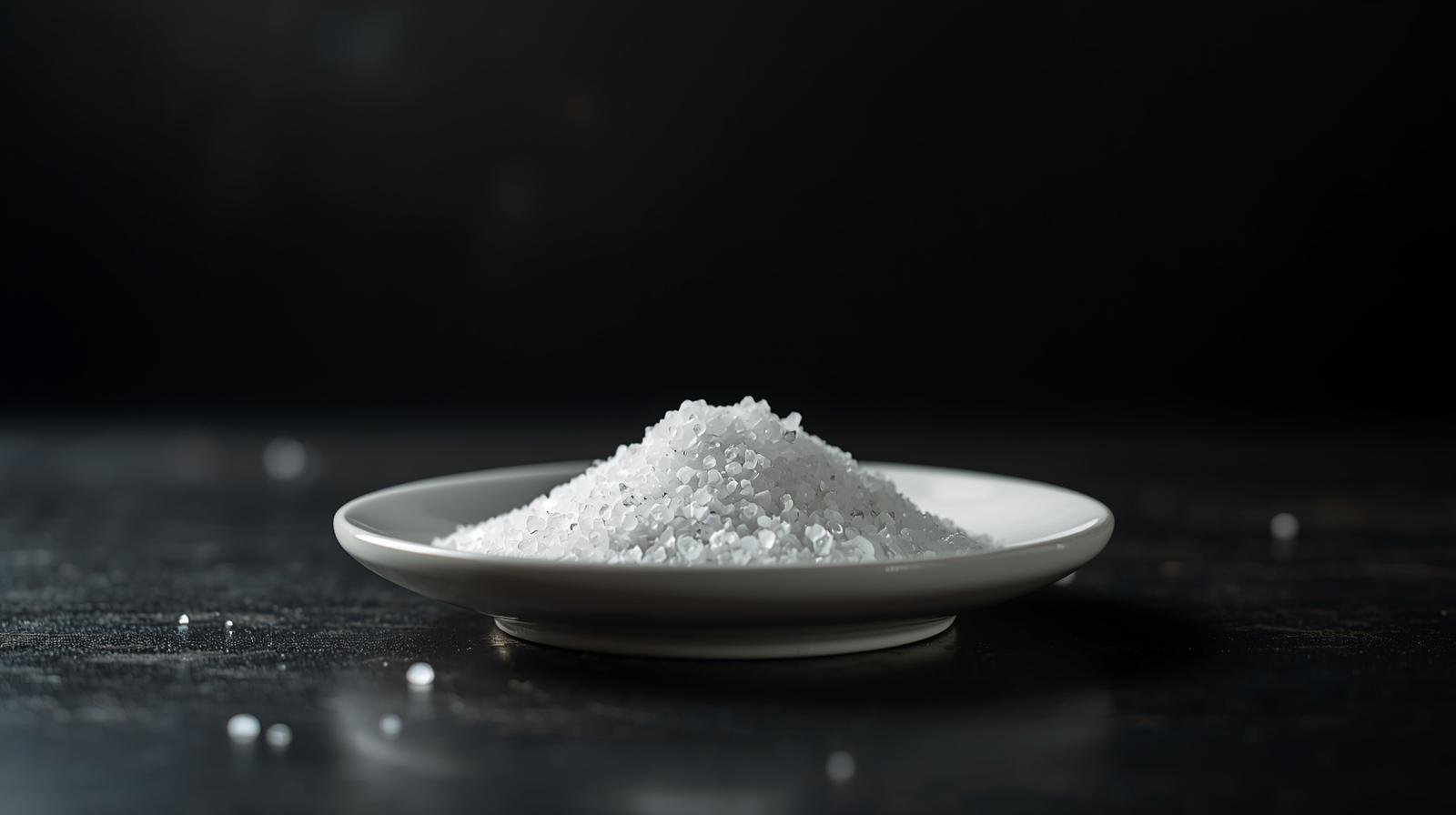
Salt is one of the most widely used seasonings in the world, but the scientific evidence is unequivocal: consuming too much salt—or more precisely, too much sodium—directly increases blood pressure and elevates the risk of stroke and other serious cardiovascular diseases. Sodium is essential for life, helping the body regulate fluid balance and nerve function, but the vast majority of people on modern diets exceed what is needed by a wide margin. Most sodium in the diet comes not from the salt shaker but from processed and packaged foods, restaurant meals, and condiments, which often contain hidden sodium far beyond what someone would add at home. The World Health Organization (WHO) reports that average global sodium intake is more than 4,300 mg per day—over twice the recommended limit of less than 2,000 mg/day (equivalent to about 5 g of salt)—and that this high intake is a leading factor in raised blood pressure worldwide.
The fundamental mechanism linking salt to stroke starts with blood pressure. Sodium increases fluid retention, which expands blood volume and exerts greater pressure against arterial walls. This elevation in blood pressure (hypertension) is the most powerful modifiable risk factor for both ischemic and hemorrhagic strokes, as well as heart attack and kidney disease. High-quality evidence from large meta-analyses shows that increased sodium intake is associated with a significantly higher risk of stroke, and that lowering sodium intake even modestly (e.g., to <2 g/day) reduces blood pressure in adults and children alike. Moreover, community interventions and clinical trials—such as the Salt Substitute and Stroke Study—demonstrate that using a low-sodium, potassium-enriched salt substitute can lower the incidence of recurrent stroke and cardiovascular mortality, especially among high-risk populations.
What Health Authorities Recommend
Major health organizations emphasize that reducing salt intake should be a foundational public health strategy to prevent hypertension and reduce stroke risk. The WHO and its regional partners advocate for population-level reductions in sodium intake, setting voluntary targets such as less than 2 g of sodium per day and aiming for a 30% relative reduction in average sodium consumption by 2025. This strategy is recognized as one of the most cost-effective interventions for reducing the global burden of non-communicable diseases, including stroke and heart attack.
The American Heart Association (AHA) and similar expert bodies reinforce these guidelines, recommending adults limit sodium to no more than 2,300 mg per day, with an ideal goal of about 1,500 mg for most adults—particularly those with or at risk for high blood pressure. Evidence from controlled trials shows that even within a few days of lowering sodium intake, blood pressure can fall significantly—often by 7–8 mm Hg or more in individuals with hypertension—highlighting the direct and rapid impact dietary sodium has on cardiovascular physiology.
Why Reducing Salt Matters for Stroke Prevention?
Hypertension is often called the “silent killer” because most people do not experience symptoms until serious complications occur. Stroke, in particular, is a devastating outcome of long-standing uncontrolled blood pressure, leading to disability and death worldwide. Research consistently shows that high salt intake is linked with a 20–30% higher risk of stroke, with stronger associations seen in studies where sodium intake differences are larger and follow-up is longer. Reducing sodium intake through dietary changes—including limiting processed foods, choosing low-sodium options, and using salt substitutes—has been shown to lower blood pressure and, over time, reduce the incidence of stroke and recurrent cardiovascular events.
Moreover, public health modelling suggests that even modest reductions in salt intake at the population level can yield significant declines in stroke and heart disease rates, saving lives and reducing the strain on health systems. Combined with other healthy lifestyle measures (such as increased intake of potassium-rich fruits and vegetables, regular physical activity, and weight management), sodium reduction remains a cornerstone of cardiovascular health and stroke prevention in national and global dietary guidelines.
Sources
- World Health Organization – Sodium reduction fact sheet: https://www.who.int/westernpacific/news-room/fact-sheets/detail/salt-reduction
- WHO – Reducing population sodium/salt intake: https://www.who.int/activities/developing-nutrition-guidelines/reducing-population-sodium-salt-intakes
- Pan American Health Organization – Salt/Sodium intake reduction policies: https://www.paho.org/en/enlace/saltsodium-intake- reduction-policies
- Meta-analysis on sodium reduction and health outcomes: https://pubmed.ncbi.nlm.nih.gov/23558163/
- Systematic review on sodium and cardiovascular outcomes: https://www.ncbi.nlm.nih.gov/books/n/whosod/evidence/
- Salt substitute and recurrent stroke evidence: https://www.acc.org/Latest-in-Cardiology/Journal-Scans/2025/02/12/18/50/Sodium-Reduction-and-Salt-Substitutes-Shown-to-Decrease-BP
- AHA on sodium and blood pressure: https://www.heart.org/en/news/2021/02/15/lower-your-sodium-and-blood-pressure-will-follow
- Recent AHA analysis on sodium reduction benefits: https://newsroom.heart.org/news/reducing-sodium-in-everyday-foods-may- yield-heart-health-benefits-across-populations
- Salt intake and stroke risk meta-analysis: https://pubmed.ncbi.nlm.nih.gov/19934192/