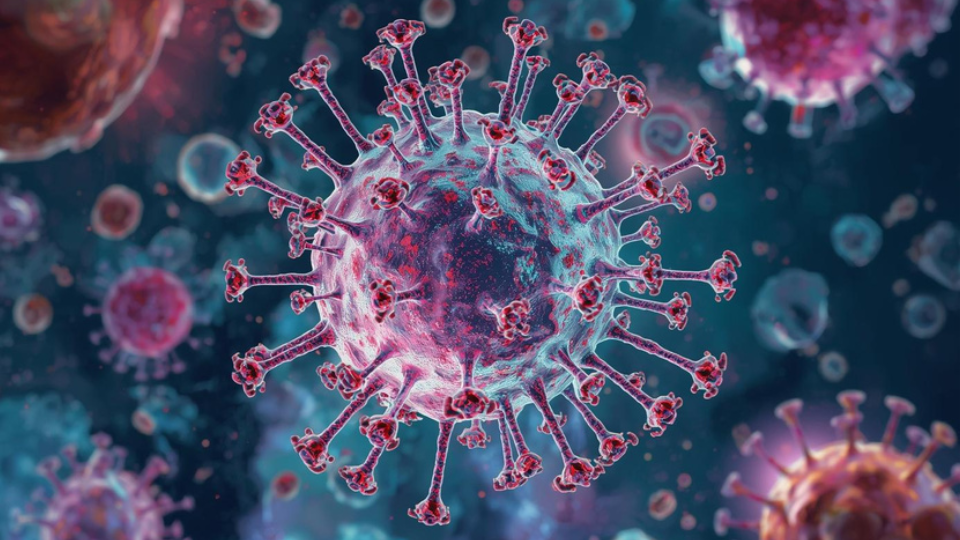
Your immune system is not just a defense system — it is also a learning system. When your body encounters a virus or bacteria for the first time, it creates a specialized response to fight it off. But the remarkable part is what happens afterward. The immune system stores information about that specific threat in the form of long-lasting immune cells. This process is known as immunological memory and is a key feature of the Adaptive immune system. Unlike the innate immune system, which responds the same way to all threats, the adaptive immune system remembers specific pathogens and responds more efficiently the next time.
The Role of Memory B Cells and T Cells
Immune memory depends primarily on two types of white blood cells: memory B cells and memory T cells. Memory B cells remember how to produce antibodies that target a specific virus or bacteria. Memory T cells help destroy infected cells and coordinate a stronger immune attack. Together, these cells act like a biological “library,” storing detailed records of past infections or vaccinations. If the same pathogen enters the body again, these memory cells activate quickly, often preventing illness or significantly reducing its severity.
How Long Can Immune Memory Last?
One of the most fascinating aspects of immune memory is its durability. Research shows that immunity from certain infections and vaccines can last for decades. For example, studies of the Smallpox vaccine have found immune memory persisting more than 60 years after vaccination. Survivors of the 1918 influenza pandemic were shown to have measurable immune responses nearly 90 years later. More recently, research on COVID-19 has demonstrated that memory B and T cells can persist for years after infection or vaccination. While antibody levels may decline over time, memory cells remain ready to respond rapidly if re-exposed.
Why Some Immunity Lasts Longer Than Others
Not all immune memories are equal. Some pathogens change frequently, which can make previous immune memory less effective. For example, the Influenza virus mutates regularly, which is why updated flu vaccines are recommended each year. In contrast, viruses that remain genetically stable tend to produce longer-lasting immunity. The strength of the initial immune response, overall health, age, and vaccine type also influence how long protection lasts.
How Vaccines Build the Immune Memory Library
Vaccines work by safely introducing the immune system to a harmless version or component of a pathogen. This stimulates the body to create memory B and T cells without causing the actual disease. When exposed later to the real infection, the immune system responds faster and more powerfully. Even if antibody levels decrease over time, memory cells can rapidly produce new antibodies. Booster doses strengthen and refresh this immune memory, ensuring continued protection according to public health guidelines.
When Immune Memory Can Be Affected
Certain infections can temporarily or even significantly impact immune memory. For instance, infection with the Measles virus has been shown to weaken pre-existing immune memory, a phenomenon sometimes called immune amnesia. This makes vaccination especially important, as it prevents both the immediate illness and its longer-term immune effects. Additionally, aging naturally reduces immune responsiveness, which is why older adults may require specific vaccine schedules.
Conclusion
Understanding immune memory highlights why vaccinations and natural immune responses are so powerful. Your immune system maintains a long-term biological record of many past infections, allowing faster and more effective protection in the future. However, immunity is not identical for every disease, and boosters or updated vaccines may be necessary to maintain protection. Staying up to date with recommended immunizations, maintaining a balanced diet, getting adequate sleep, and managing stress all support optimal immune function.
Sources
- Centers for Disease Control and Prevention (CDC) – How Vaccines Work. https://www.cdc.gov/vaccines/hcp/conversations/how-vaccines-work.html
- National Institute of Allergy and Infectious Diseases (NIAID) – Immune System Overview. https://www.niaid.nih.gov/research/immune-system-overview
- Crotty S. Immunological memory to SARS-CoV-2. Science. 2021. https://www.science.org/doi/10.1126/science.abm4250
- Hammarlund E et al. Duration of antiviral immunity after smallpox vaccination. Nature Medicine. 2003. https://www.nature.com/articles/nm917Mina MJ et al. Measles virus infection diminishes preexisting antibodies. Science. 2019. https://www.science.org/doi/10.1126/science.aay6485