When most people think of immunity, they imagine white blood cells circulating in the bloodstream. While blood and lymph nodes are essential, your skin is actually your body’s largest immune organ and your first line of defense. Covering roughly 20 square feet in adults, skin protects against harmful microbes, toxins, UV radiation, and physical injury. It’s more than just a barrier — it’s an active immune system component that detects threats, triggers responses, and works in partnership with internal immunity to keep you healthy.
How Skin Functions as an Immune Organ
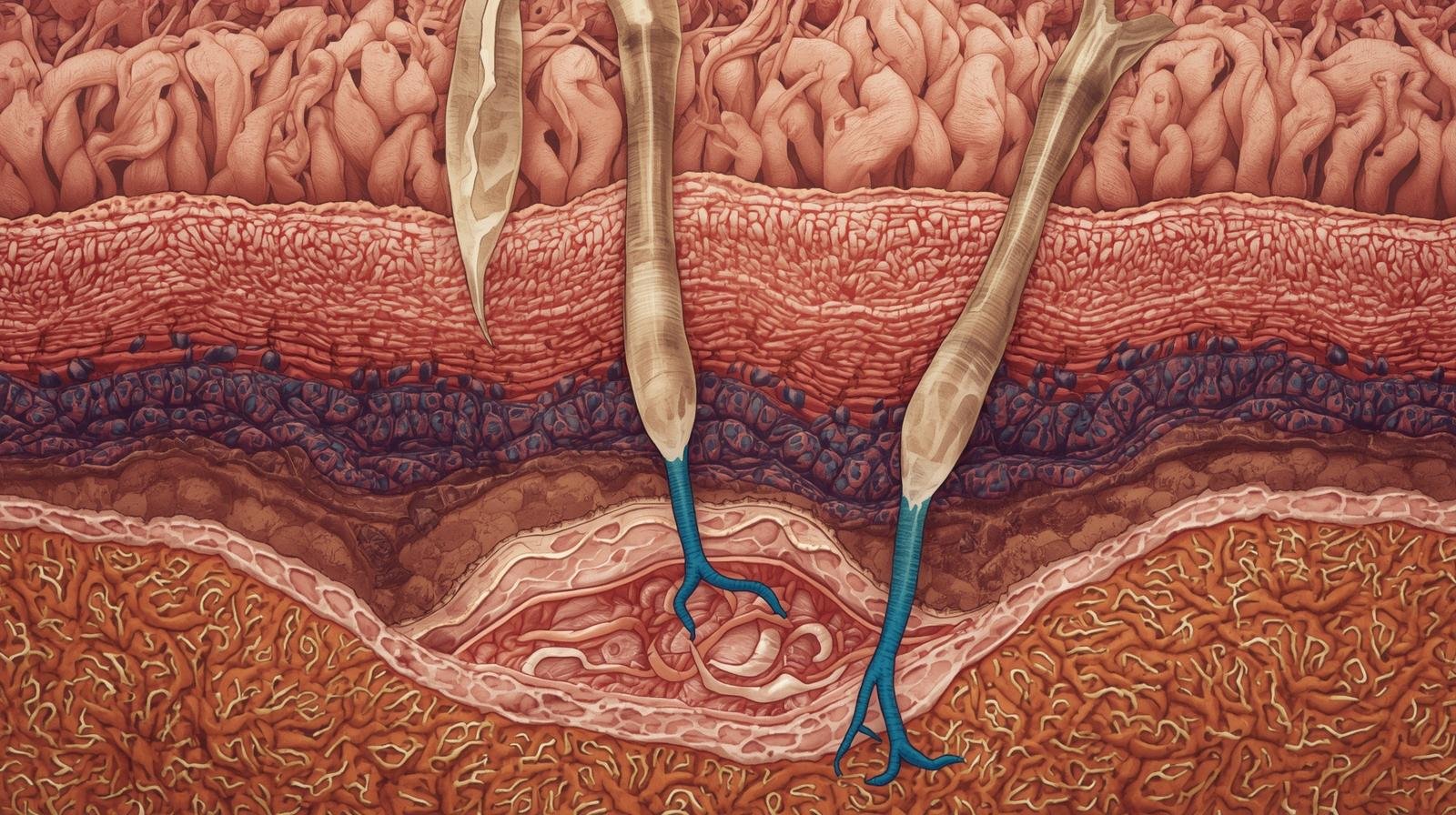
The skin is a complex immunological environment. Immune cells in the skin detect and respond to pathogens before they penetrate deeper into the body. Key players include:
- Langerhans cells: Found in the epidermis, these cells capture pathogens and present them to T-cells, activating systemic immunity.
- Keratinocytes: Structural skin cells that release cytokines and antimicrobial peptides when the skin is damaged or infected.
- Dermal dendritic cells, macrophages, and T-cells: Reside in deeper layers, coordinating inflammation and pathogen elimination.
This network is often referred to as Skin-Associated Lymphoid Tissue (SALT), highlighting its unique immune role. SALT enables the skin to function as a rapid-response immune hub.
Mechanisms of Skin Immunity
1. Physical Barrier
The skin’s outer layer (stratum corneum) acts as a shield, preventing pathogens, dirt, and harmful chemicals from entering the body. Even minor damage to this layer can increase susceptibility to infection.
2. Chemical Defenses
Skin secretes antimicrobial peptides, natural oils, and maintains an acidic pH, which directly inhibit the growth of bacteria, viruses, and fungi. These chemical defenses work 24/7 to protect your body from environmental threats.
3. Immune Activation
If pathogens breach the outer layer, immune cells immediately respond. Langerhans cells capture antigens and activate T-cells, while keratinocytes release chemical signals to recruit other immune cells. This ensures a coordinated defense even before pathogens reach the bloodstream.
4. Inflammation and Healing
Inflammation is a natural part of skin immunity. Redness, heat, swelling, and pain are signs that your body is fighting infection and repairing tissue. Healthy skin can resolve inflammation efficiently, reducing the risk of chronic infections or autoimmune reactions.
Why Skin Immunity Is Critical?
While blood-based immunity is essential for systemic defense, skin immunity prevents pathogens from ever entering the body. Key reasons skin immunity is crucial:
- Cuts, burns, or microtears in skin dramatically increase infection risk.
- Skin health influences vaccine effectiveness, as some vaccines interact with skin-associated immune cells.
- Conditions like eczema, psoriasis, and chronic wounds are linked to compromised skin immunity.
Skin immunity also plays a role in detecting allergens and triggering adaptive immune responses, making it a central part of overall health.
Skin vs. Blood: Complementary Roles
| Feature | Skin | Blood |
| Primary function | Barrier & frontline defense | Transport immune cells & nutrients |
| Location | Body surface | Circulatory system |
| Immune action | Local detection and response | Systemic defense and coordination |
| Response to infection | Stops pathogens at entry | Eliminates pathogens after entry |
The skin acts as a preventive shield, while blood fights invaders that get through, demonstrating the synergy between external and internal immunity.
Tips for Maintaining Strong Skin Immunity
Healthy skin supports strong immunity. Simple lifestyle habits can enhance skin’s protective functions:
- Keep skin hydrated: Moisturized skin is less prone to microtears.
- Protect from UV exposure: Sun damage reduces immune function in skin cells.
- Avoid harsh chemicals: Excessive soaps, alcohol, and scrubs can disrupt the skin barrier.
- Eat a nutrient-rich diet: Vitamins A, C, D, and zinc support skin immunity.
- Treat skin conditions early: Chronic inflammation from eczema or wounds can weaken immunity.
Maintaining skin health is not just cosmetic — it’s a crucial part of disease prevention.
Conclusion
Your skin is far more than a covering; it is an active immune organ. By acting as a physical barrier, producing antimicrobial chemicals, activating immune cells, and coordinating inflammatory responses, the skin is the body’s frontline defender. Healthy skin works with blood and lymphatic immunity to prevent infections and maintain overall health. Protect and care for your skin — it’s your first line of defense.
Sources
- Cleveland Clinic – Skin: Layers, Structure and Function. https://my.clevelandclinic.org/health/body/10978-skin
- ScienceDirect – Immune functions of the skin. https://www.sciencedirect.com/science/article/pii/S0738081X00001735
- Springer – Skin Immunity. https://link.springer.com/article/10.1007/s00005-017-0477-3
- Frontiers in Allergy – Skin Immune System. https://www.frontiersin.org/journals/allergy/articles/10.3389/falgy.2024.1536289/full
- Wikipedia – Langerhans cell. https://en.wikipedia.org/wiki/Langerhans_cell
- Wikipedia – Keratinocyte. https://en.wikipedia.org/wiki/Keratinocyte
- Huggies Healthcare – Importance of Skin Function. https://www.huggieshealthcare.com/-/media/feature/huggies/na/us/article/huggiesnalegacyarticle/article-hhc/file/DSH_Importance_of_Skin_Function.pdf
- Healthline – Skin as an Immune Organ. https://www.healthline.com/health/beauty-skin-care/your-skin-is-a-superhero-how-to-support-your-bodys-biggest-organ