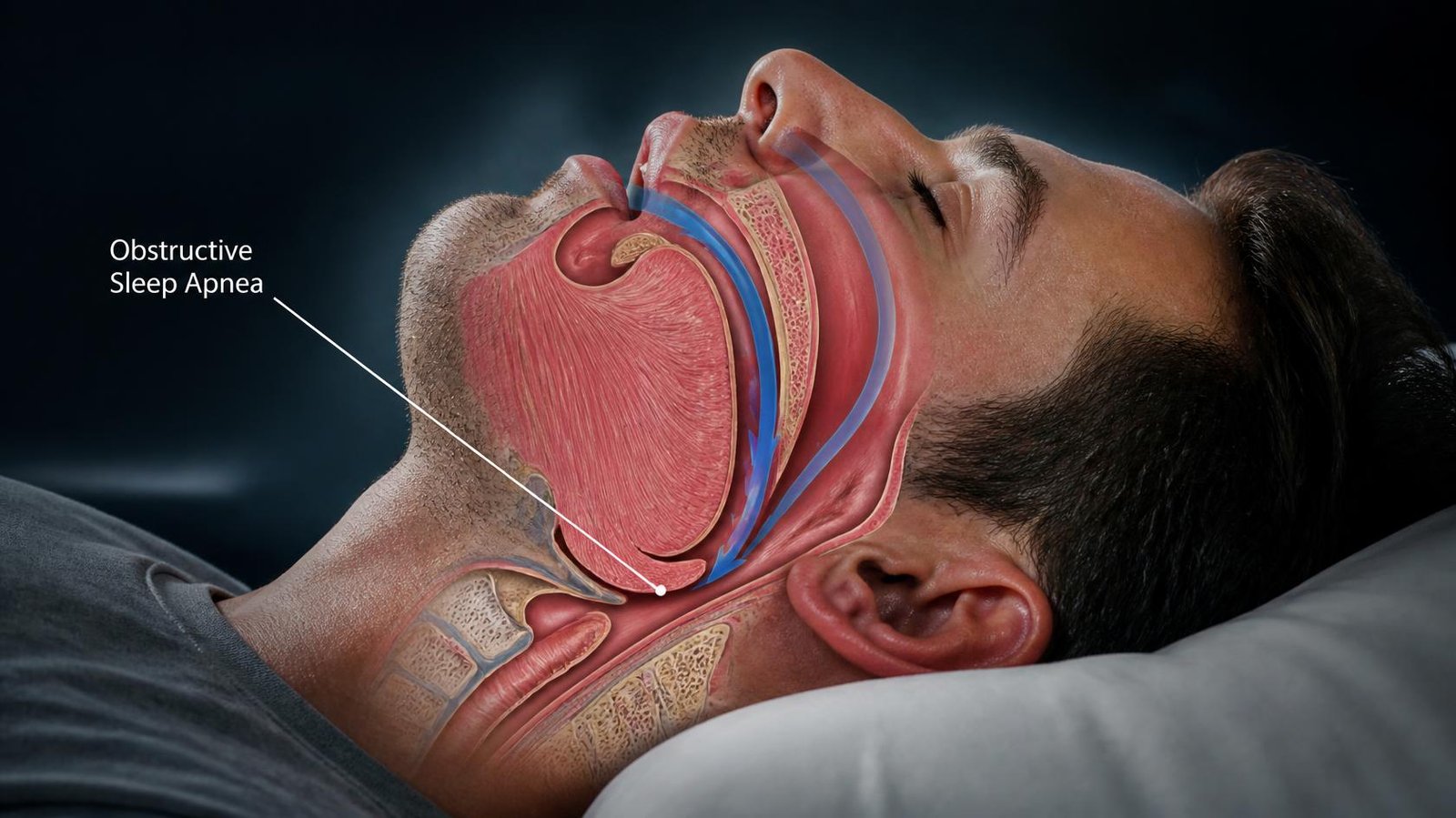

Sleep is a fundamental biological need that plays a vital role in maintaining physical health, mental well-being, and long-term disease prevention. Far from being passive rest, sleep is an active process during which the body repairs tissues, balances hormones, strengthens immunity, and supports brain function. According to updated health guidelines, consistently getting enough high-quality sleep is as important as proper nutrition and regular physical activity for achieving optimal health.
Memory, Focus, and Cognitive Performance
Adequate sleep is essential for healthy brain function. During sleep, especially deep and REM sleep stages, the brain consolidates memories, processes new information, and clears metabolic waste products that accumulate during waking hours. Research shows that sufficient sleep improves attention, concentration, decision-making, and problem-solving skills, while chronic sleep deprivation is associated with impaired learning, reduced productivity, and increased risk of neurodegenerative conditions such as Alzheimer’s disease. Updated neurological research emphasizes that sleep supports the brain’s glymphatic system, which helps remove toxins that may otherwise damage brain cells.
Sleep’s Role in Mood Regulation
Sleep has a profound influence on emotional stability and mental health. Proper sleep helps regulate neurotransmitters and stress hormones, including cortisol, which directly affect mood and emotional resilience. People who consistently get enough sleep experience lower levels of anxiety, depression, and emotional reactivity. In contrast, ongoing sleep deprivation disrupts emotional processing in the brain, increasing vulnerability to mood disorders and chronic stress. Current mental health guidelines recognize sleep optimization as a core component of preventing and managing depression and anxiety.
Immune System Strength and Infection Resistance
Sleep plays a critical role in supporting immune system function. During sleep, the body produces immune-protective substances such as cytokines and antibodies that help fight infections and reduce inflammation. Studies show that people who do not get enough sleep are more susceptible to viral infections, including colds and influenza, and may have a weaker response to vaccinations. Updated public health research confirms that adequate sleep is essential for maintaining immune resilience and reducing the risk of both acute and chronic inflammatory diseases.
Physical Recovery, Growth, and Tissue Repair
One of the most important health benefits of sleep is its role in physical restoration. Deep sleep triggers the release of growth hormone, which is essential for muscle repair, tissue regeneration, and cellular recovery. This process is crucial not only for athletes but also for everyday physical maintenance, injury prevention, and healthy aging. Insufficient sleep slows healing, increases pain sensitivity, and contributes to chronic fatigue, highlighting the importance of sleep for physical recovery and long-term strength.
Heart Health and Blood Pressure Regulation
Sleep is closely linked to cardiovascular health. During normal sleep cycles, blood pressure naturally decreases, allowing the heart and blood vessels to rest and recover. Chronic sleep deprivation disrupts this process, leading to sustained high blood pressure, increased heart rate, and a higher risk of heart disease and stroke. According to updated cardiovascular guidelines, adults who regularly sleep fewer than six hours per night have a significantly higher risk of hypertension and coronary artery disease compared to those who sleep seven to nine hours.
Metabolism, Blood Sugar Control, and Diabetes Prevention
Healthy sleep is essential for metabolic balance. Sleep regulates insulin sensitivity and glucose metabolism, helping the body maintain stable blood sugar levels. Poor sleep quality or insufficient sleep increases insulin resistance, raising the risk of type 2 diabetes. Sleep deprivation also disrupts hormones that control hunger and fullness, leading to increased appetite and cravings for high-calorie foods. Current metabolic health research highlights sleep as a key factor in preventing diabetes and maintaining healthy energy regulation.
Weight Management and Appetite Regulation
Sleep plays a critical role in body weight regulation. When sleep duration is inadequate, levels of the hunger hormone ghrelin increase, while levels of the satiety hormone leptin decrease. This hormonal imbalance promotes overeating and weight gain. Studies consistently show that people who sleep well are more likely to maintain a healthy body weight, while chronic sleep deprivation is associated with obesity and metabolic syndrome. Updated obesity prevention guidelines now emphasize sleep as an essential pillar of weight management.
Daytime Performance, Safety, and Productivity
Adequate sleep enhances alertness, reaction time, and overall daytime performance. Well-rested individuals demonstrate better judgment, improved coordination, and higher productivity at work and school. In contrast, sleep deprivation significantly increases the risk of accidents, including road traffic crashes and workplace injuries. Health and safety organizations recognize sleep as a critical factor in reducing preventable accidents and improving public safety.
Impact on Lifespan and Healthy Aging
Emerging evidence suggests that consistent, high-quality sleep contributes to longer life expectancy and healthier aging. Adults who maintain regular sleep patterns and obtain adequate sleep have lower rates of chronic diseases such as heart disease, diabetes, and neurodegenerative disorders. Sleep also supports cellular repair and reduces systemic inflammation, both of which are key factors in slowing biological aging. Updated longevity research highlights sleep as a powerful, modifiable factor for extending health span and quality of life.
What is the Recommended Sleep Duration?
Current guidelines recommend that most adults aim for seven to nine hours of sleep per night for optimal health. Children and adolescents require longer sleep durations to support growth, brain development, and emotional regulation. Consistency in sleep timing is also emphasized, as irregular sleep patterns can negatively affect circadian rhythm and overall health.
Conclusion
Sleep is not optional or secondary to health; it is a foundational pillar of physical, mental, and emotional well-being. From protecting the brain and heart to strengthening immunity and supporting metabolic health, the benefits of sleep extend across every system of the body. Prioritizing consistent, high-quality sleep is one of the most effective and natural ways to improve overall health, prevent chronic disease, and enhance longevity.
Sources
- National Heart, Lung, and Blood Institute (NHLBI) – Why Is Sleep Important? https://www.nhlbi.nih.gov/health/sleep/why-sleep-important
- Sleep Foundation – Benefits of Sleep https://www.sleepfoundation.org/how-sleep-works/benefits-of-sleep
- World Health Organization (WHO) – Healthy Lifestyle and Sleep https://www.who.int/news-room/fact-sheets/detail/physical-activity
- Centers for Disease Control and Prevention (CDC) – Sleep and Sleep Disorders https://www.cdc.gov/sleep
- Medical News Today – Why Sleep Is Essential for Health https://www.medicalnewstoday.com/articles/325353
- Healthline – Science-Based Benefits of Sleep https://www.healthline.com/nutrition/10-reasons-why-good-sleep-is-important