What is Endometriosis?
Endometriosis is a chronic condition where tissue similar to the lining of the uterus grows outside the uterine cavity. These abnormal growths can be found on the ovaries, fallopian tubes, pelvic lining, and even the bowel or bladder. Because this tissue still responds to hormonal changes during the menstrual cycle, it thickens, breaks down, and bleeds—just like normal endometrial tissue. However, unlike menstrual blood that exits the body, this blood becomes trapped, leading to inflammation, scarring, and pain. Understanding its symptoms is essential because early detection can significantly improve quality of life and fertility outcomes.
Chronic Pelvic Pain
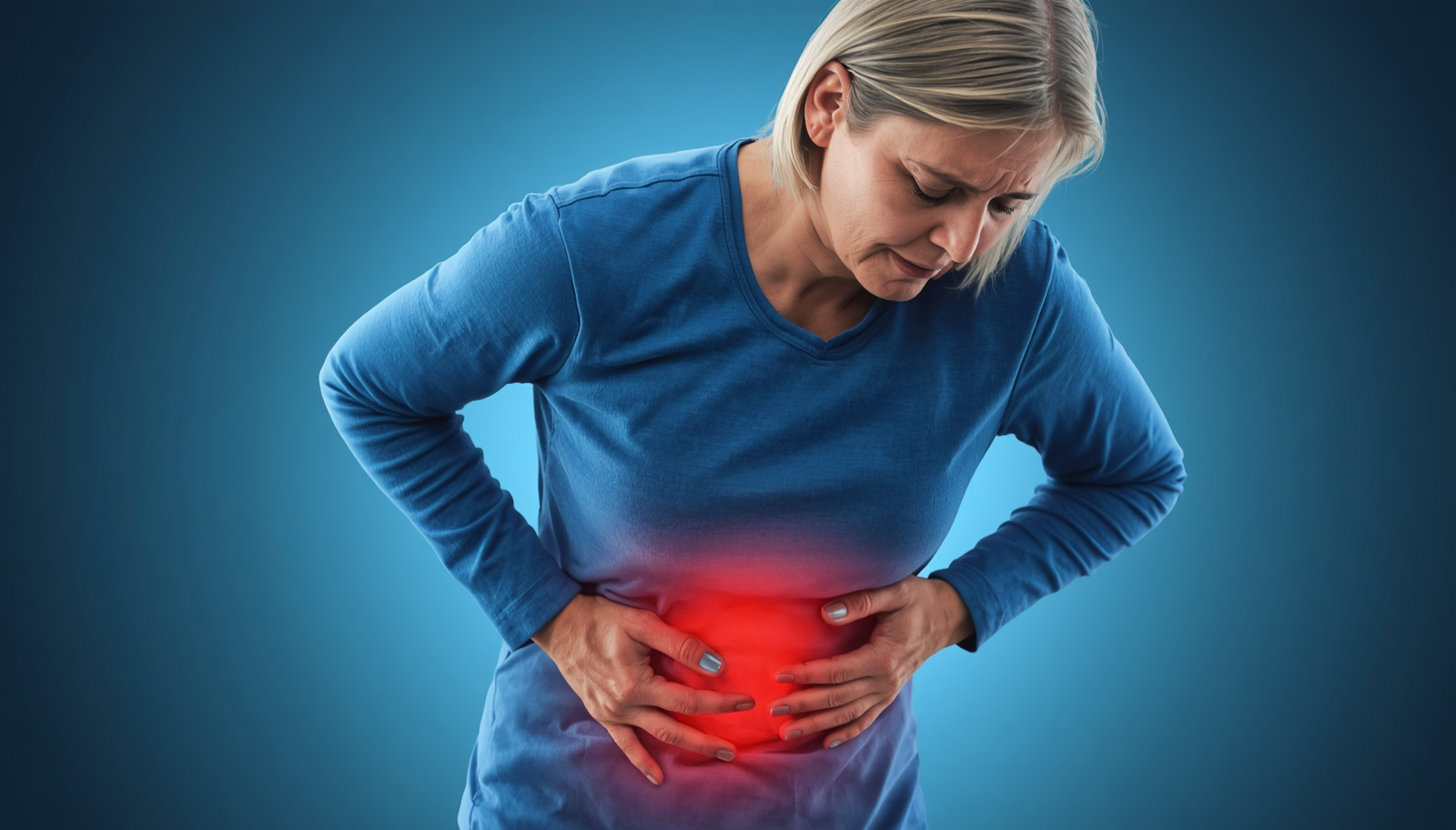
The most common and often most debilitating symptom of endometriosis is chronic pelvic pain. This pain is typically cyclical, worsening before and during menstruation, but in many cases, it can become constant over time. Patients often describe it as deeper and more intense than normal menstrual cramps. The pain may radiate to the lower back and thighs, interfering with daily activities, work, and overall well-being. This occurs due to inflammation and irritation caused by endometrial lesions growing in sensitive pelvic areas.
Painful Periods
Painful menstruation, or dysmenorrhea, is a key feature of endometriosis. Unlike typical menstrual cramps that may be mild to moderate, the pain associated with endometriosis is often severe and progressively worsens over time. It may begin several days before the onset of menstruation and persist even after the period has ended. This pain can be so intense that it disrupts routine life, leading to missed school or work days and reduced productivity.
Pain During or After Intercourse
Dyspareunia, or pain during sexual intercourse, is another significant symptom. This pain is usually felt deep within the pelvis and may continue even after intercourse has ended. It is commonly associated with lesions located behind the uterus or in areas involving pelvic nerves. This symptom can have a profound impact not only physically but also emotionally and psychologically, affecting intimate relationships.
Pain with Bowel Movements or Urination
Endometriosis can involve nearby organs such as the bowel and bladder, leading to pain during bowel movements or urination. These symptoms are often more noticeable during menstruation. Patients may experience sharp or cramping pain, sometimes accompanied by urgency or discomfort. Because of these symptoms, endometriosis is often misdiagnosed as gastrointestinal or urinary tract disorders, delaying proper treatment.
Heavy Menstrual Bleeding and Irregular Periods
Many individuals with endometriosis experience abnormal menstrual bleeding patterns. This may include heavy menstrual bleeding (menorrhagia) or bleeding between periods (intermenstrual bleeding). The excessive bleeding is often due to hormonal imbalances and the presence of abnormal endometrial-like tissue. These symptoms can contribute to anemia, fatigue, and reduced quality of life if left unmanaged.
Infertility and Difficulty Conceiving
Endometriosis is one of the leading causes of infertility in women of reproductive age. It can interfere with ovulation, damage the fallopian tubes, and create a hostile environment for fertilization and implantation. In some cases, women may only discover they have endometriosis during investigations for infertility. Despite this, many individuals with endometriosis can still conceive with appropriate medical support and treatment.
Gastrointestinal Symptoms
Gastrointestinal symptoms are common but often overlooked. These may include bloating, diarrhea, constipation, and nausea—especially during menstruation. These symptoms can mimic conditions like irritable bowel syndrome, making diagnosis challenging. The cyclical nature of these symptoms is a key clue pointing toward endometriosis.
Fatigue and Reduced Energy Levels
Chronic fatigue is another significant yet underrecognized symptom of endometriosis. Persistent pain, inflammation, and hormonal fluctuations can lead to extreme tiredness and low energy levels. This fatigue is not simply due to lack of sleep but is often a systemic effect of chronic illness, significantly affecting daily functioning and mental health.
Lower Back and Leg Pain
Endometriosis can also cause pain that extends beyond the pelvis. Some individuals experience lower back pain or pain radiating down the legs, especially during menstruation. This occurs when lesions affect nearby nerves or musculoskeletal structures. Such symptoms can sometimes be mistaken for orthopedic or nerve-related conditions.
Why Symptoms Can Differ Between Individuals?
One of the most complex aspects of endometriosis is that symptom severity does not always correlate with disease extent. Some individuals with minimal visible disease may experience severe pain, while others with extensive endometrial growths may have few or no symptoms. This variability often leads to delays in diagnosis, with many patients waiting years before receiving proper medical attention.
When Should You Seek Medical Help?
It is important to consult a healthcare professional if you experience severe menstrual pain, chronic pelvic discomfort, pain during intercourse, or difficulty conceiving. Early diagnosis and management can help control symptoms, prevent complications, and improve overall quality of life. Ignoring these symptoms may lead to progression of the disease and long-term health consequences.
Summary
Endometriosis is far more than just painful periods—it is a complex, chronic condition that can affect multiple systems in the body. Recognizing the wide range of symptoms, from pelvic pain and heavy bleeding to fatigue and infertility, is essential for early diagnosis and effective treatment. Awareness is the first step toward better health outcomes.
Sources
- Mayo Clinic – Endometriosis: Symptoms and Causes
https://www.mayoclinic.org/diseases-conditions/endometriosis/symptoms-causes/syc-20354656 - Cleveland Clinic – Endometriosis Overview
https://my.clevelandclinic.org/health/diseases/10857-endometriosis - Healthline – Endometriosis Guide
https://www.healthline.com/health/endometriosis