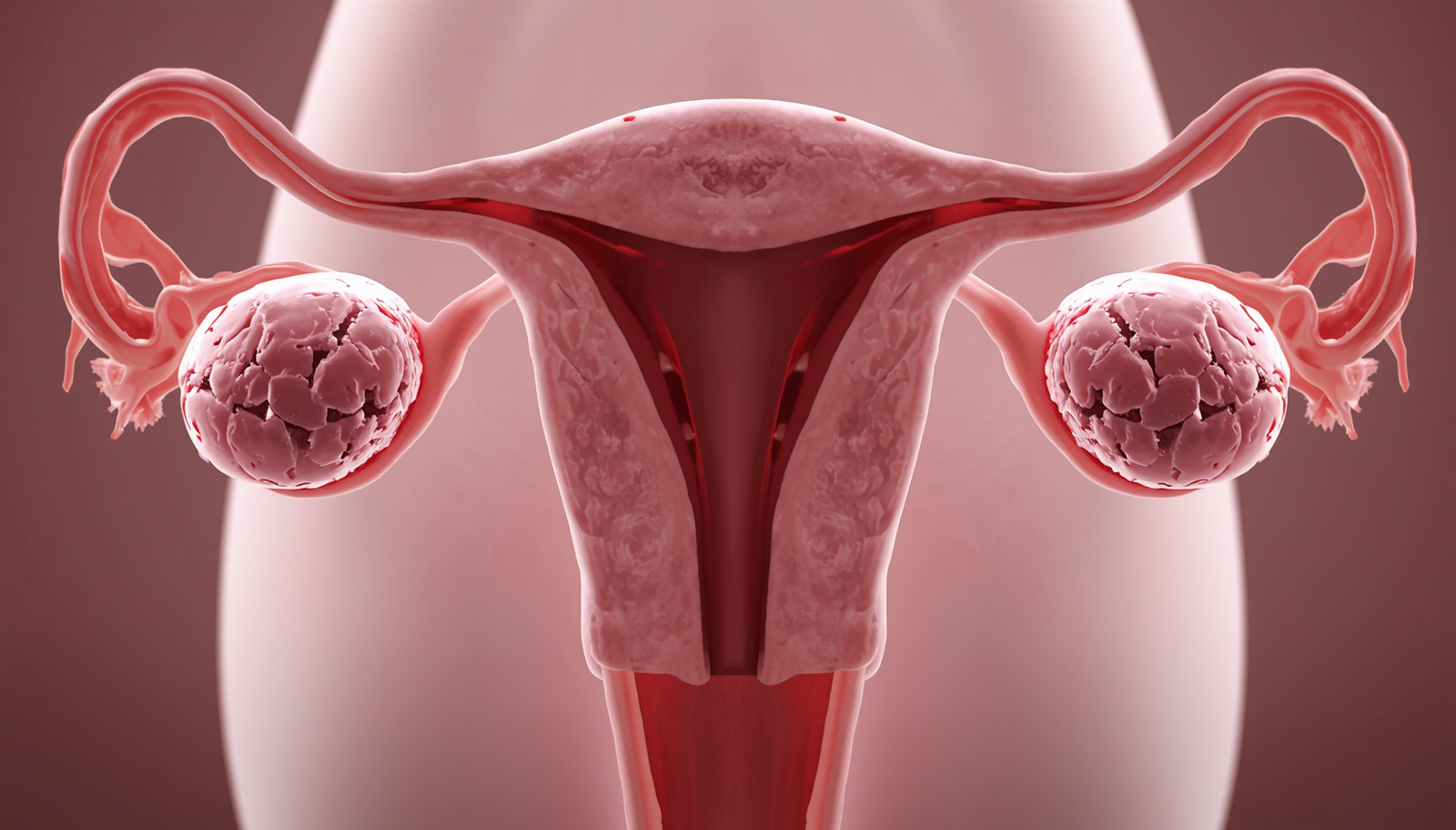
For decades, millions of women around the world have known the condition as PCOS — Polycystic Ovary Syndrome. But in a major global medical update published in 2026, experts officially introduced a new name: PMOS, or Polyendocrine Metabolic Ovarian Syndrome.
This change is more than just a new label. Health experts say the old name “PCOS” was misleading and failed to explain the full-body effects of the condition. The updated name aims to improve awareness, diagnosis, treatment, and long-term care for millions of women worldwide.



What Is PMOS?
PMOS stands for Polyendocrine Metabolic Ovarian Syndrome. It is the new medical name for the condition previously called PCOS. The new term reflects the fact that the condition affects multiple systems in the body, including:
- Hormones (endocrine system)
- Metabolism
- Ovarian function
- Mental health
- Skin health
- Cardiovascular health
- Fertility and reproductive health
Experts say the older term focused too heavily on ovarian cysts, even though many affected women do not actually have cysts on their ovaries.
Why Was PCOS Renamed to PMOS?
The renaming followed a 14-year international effort involving researchers, doctors, and patient advocacy groups from around the world. More than 14,000 patients and healthcare professionals contributed to the global consensus process.
The Old Name Was Misleading
The term “Polycystic Ovary Syndrome” created several problems:
- It suggested ovarian cysts were always present
- It minimized the hormonal and metabolic effects
- It caused confusion among patients and healthcare providers
- It contributed to delayed diagnosis
- It increased stigma around the condition
Researchers found that many women were underdiagnosed or misdiagnosed because the name failed to represent the true nature of the disorder.
PMOS Better Reflects the Whole-Body Condition
The new name highlights that this is not just a reproductive condition. It is a complex endocrine and metabolic disorder that can affect nearly every aspect of health.
Common Symptoms of PMOS
Symptoms can vary widely from person to person. Some women may experience only mild symptoms, while others develop significant metabolic and hormonal complications.
Common symptoms include:
- Irregular Periods: Many women with PMOS experience missed, infrequent, or unpredictable menstrual cycles.
- Excess Hair Growth: Higher androgen levels may cause increased facial or body hair growth, known as hirsutism.
- Acne and Oily Skin: Hormonal imbalance can lead to persistent acne, especially around the jawline and chin.
- Weight Gain: Many people with PMOS struggle with weight gain and difficulty losing weight due to insulin resistance.
- Hair Thinning: Scalp hair thinning or hair loss may occur because of elevated androgen hormones.
- Fertility Problems: Irregular ovulation can make conception more difficult.
- Insulin Resistance: A major feature of PMOS is the body’s reduced ability to use insulin effectively, increasing the risk of diabetes.
PMOS Is More Than a Reproductive Disorder
One of the biggest reasons behind the name change is the growing understanding that PMOS affects far more than fertility and periods. Research shows the condition is associated with:
- Type 2 diabetes
- Obesity
- High cholesterol
- High blood pressure
- Cardiovascular disease
- Sleep problems
- Anxiety and depression
- Endometrial cancer risk
Experts believe the new name may encourage earlier screening for these complications and improve multidisciplinary care.
How Common Is PMOS?
PMOS affects approximately 1 in 8 women worldwide, making it one of the most common hormonal disorders in reproductive-age women. However, experts estimate that up to 70% of cases remain undiagnosed.
Delayed diagnosis can lead to years of untreated symptoms and increased long-term health risks.
Has the Diagnosis Changed?
Although the name has changed, the current diagnostic criteria remain mostly the same for now. Doctors still evaluate symptoms such as:
- Irregular ovulation or periods
- Elevated androgen levels
- Polycystic-appearing ovaries on ultrasound
Typically, two out of these three features are required for diagnosis under existing international guidelines.
Experts say future guidelines may continue evolving as understanding of the condition improves.
Treatment Options for PMOS
There is currently no cure for PMOS, but symptoms and complications can often be managed effectively. Treatment may include:
Lifestyle Changes
Healthy eating, regular physical activity, stress management, and sleep improvement can help reduce insulin resistance and support hormone balance.
Weight Management
Even modest weight reduction may improve ovulation and metabolic health in some individuals.
Medications
Doctors may prescribe:
- Birth control pills
- Metformin
- Fertility medications
- Anti-androgen treatments
Mental Health Support
Because PMOS is linked with anxiety, depression, and body image challenges, emotional support and counseling may also play an important role.
Why This Name Change Matters
Health experts believe the shift from PCOS to PMOS could transform women’s healthcare by:
- Improving awareness
- Reducing stigma
- Encouraging earlier diagnosis
- Expanding research
- Promoting whole-body treatment approaches
- Helping patients feel validated
The transition to the new terminology is expected to occur gradually over the next few years, with broader implementation planned by 2028.
Final Thoughts
The change from PCOS to PMOS represents a major step forward in understanding one of the world’s most misunderstood women’s health conditions.
By recognizing PMOS as a complex endocrine and metabolic disorder — not just an ovarian issue — experts hope millions of women will receive faster diagnoses, better care, and improved long-term health outcomes.
The new name may be different, but the message is clear: this condition affects the whole body, and women deserve comprehensive care and understanding.

Sources
- The Lancet – Global Consensus on PMOS. https://www.thelancet.com/journals/lancet/article/PIIS0140-6736(26)00717-8/fulltext
- Endocrine Society – PCOS Name Change Announcement. https://www.endocrine.org/news-and-advocacy/news-room/2026/pcos-name-change
- Healthline – Why PCOS Was Renamed PMOS. https://www.healthline.com/health-news/pcos-renamed-pmos-improve-diagnosis-care-multisystem-disease
- The Guardian – What the PMOS Name Change Means. https://www.theguardian.com/society/2026/may/12/polycystic-ovary-syndrome-pcos-pmos-symptoms-meaning-treatment-causes-risk-factors-new-name-explained
- Verywell Health – PMOS and Diagnosis Changes. https://www.verywellhealth.com/pcos-renamed-pmos-11973845
- PubMed – International Consensus Process. https://pubmed.ncbi.nlm.nih.gov/42119588/
- AJMC – Landmark Shift From PCOS to PMOS. https://www.ajmc.com/view/pcos-renamed-pmos-in-landmark-shift-reflecting-metabolic-and-endocrine-features
- Women’s Health Magazine – Why Experts Changed the Name. https://www.womenshealthmag.com/health/a71310531/what-is-pmos