A rare but deadly viral infection has once again captured global attention after a recent outbreak linked to the expedition cruise ship MV Hondius. The incident resulted in multiple deaths, emergency evacuations, and international monitoring efforts involving several countries. Health experts warn that while hantavirus infections are uncommon, they can progress with terrifying speed—sometimes turning mild flu-like symptoms into life-threatening respiratory failure within days.
The recent outbreak has raised awareness about a disease many people have never heard of. Yet hantavirus is capable of causing severe lung damage, shock, organ failure, and death if not recognized early.
Understanding the symptoms, complications, and prevention strategies is essential, especially after this high-profile event.
What Is Hantavirus?
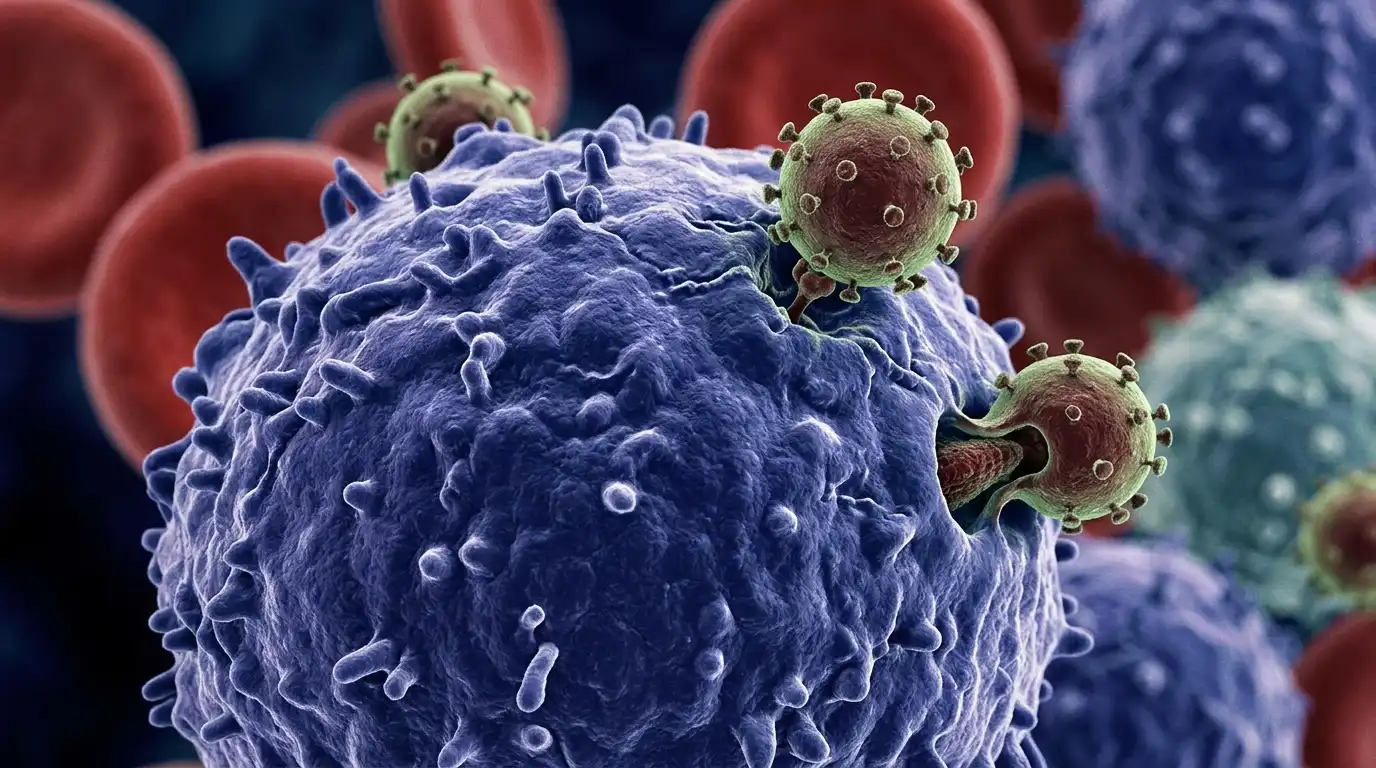
Hantavirus Infection is a group of viruses mainly spread through rodents. Humans typically become infected after breathing in tiny airborne particles contaminated with infected rodent urine, saliva, or droppings. The virus is most commonly associated with;
- Rats
- Mice
- Deer mice
- Other wild rodents
People may become exposed while;
- Cleaning closed or dusty spaces
- Entering cabins or storage rooms with rodent infestations
- Handling contaminated materials
- Camping or hiking in affected regions
Unlike many respiratory viruses, hantavirus does not usually spread easily between people. However, one strain known as the Andes virus has shown limited person-to-person transmission through prolonged close contact.
The Recent Cruise Ship Outbreak
In May 2026, health authorities reported a hantavirus outbreak linked to the expedition cruise ship MV Hondius, which had traveled through parts of South America before docking in the Canary Islands.
The outbreak quickly triggered international concern after several passengers developed severe respiratory illness. According to updated reports from the World Health Organization (WHO);
- Eight suspected cases were identified
- Six cases were laboratory-confirmed
- Three people died from complications
- The outbreak involved the Andes virus strain
- More than 100 passengers and crew required monitoring and contact tracing
The outbreak prompted;
- Emergency medical evacuations
- Isolation procedures
- International public health investigations
- Monitoring of travelers across multiple countries
Health officials from Europe, South America, Africa, and North America coordinated efforts to track close contacts and prevent further spread.
Despite the alarming headlines, the WHO emphasized that the outbreak does not represent another COVID-19-style global threat. Hantavirus spreads far less efficiently and usually requires close exposure to infected rodents or bodily fluids.
Still, experts warn that the virus remains extremely dangerous because of how rapidly it can damage the lungs and cardiovascular system.
How Hantavirus Affects the Body
After entering the body, hantavirus attacks blood vessels and triggers widespread inflammation. This causes fluid leakage into tissues—especially the lungs—leading to dangerous oxygen deprivation. The illness often develops in two phases;
Early Phase
The first symptoms can appear similar to a common flu or viral infection, making early diagnosis difficult. Early symptoms may include;
- Fever
- Severe muscle aches
- Fatigue
- Chills
- Headache
- Nausea
- Vomiting
- Abdominal pain
- Dizziness
Many patients initially believe they simply have influenza or a viral fever.
Advanced Phase
Within a few days, symptoms can suddenly worsen. Patients may rapidly develop;
- Severe shortness of breath
- Persistent coughing
- Chest tightness
- Rapid breathing
- Low oxygen levels
- Bluish lips or fingertips
At this stage, emergency medical treatment becomes critical.
Complications of Hantavirus Infection
1. Hantavirus Pulmonary Syndrome (HPS)
Hantavirus Pulmonary Syndrome occurs when fluid rapidly leaks into the lungs. As the lungs fill with fluid;
- Oxygen exchange becomes severely impaired
- Breathing becomes extremely difficult
- Patients may suddenly collapse
Many individuals require;
- Intensive care admission
- Mechanical ventilation
- High-flow oxygen therapy
HPS can progress within hours and has a high mortality rate if treatment is delayed.
2. Severe Respiratory Failure
As lung damage worsens, the body struggles to receive enough oxygen to sustain vital organs. Symptoms of respiratory failure include;
- Extreme breathlessness
- Rapid breathing
- Confusion
- Panic
- Blue discoloration of lips and skin
Without immediate treatment, oxygen deprivation can quickly become fatal.
3. Shock
Hantavirus can cause a dangerous drop in blood pressure known as circulatory shock. When this happens;
- Blood flow to vital organs decreases
- The brain and kidneys begin to suffer
- Organ systems start shutting down
Signs of shock may include;
- Cold or clammy skin
- Weak pulse
- Severe dizziness
- Confusion
- Collapse
Shock is considered a medical emergency and requires immediate intensive care.
4. Heart Failure and Cardiovascular Collapse
The combination of severe inflammation and low oxygen places enormous stress on the heart. Some patients develop;
- Weak heart pumping function
- Abnormal heart rhythms
- Cardiovascular collapse
In critical cases, the heart may fail to pump enough blood to sustain life.
5. Kidney Damage
Certain hantavirus strains can severely affect kidney function. This may result in;
- Reduced urine production
- Fluid imbalance
- Electrolyte abnormalities
- Acute kidney injury
Some patients may require temporary dialysis support during recovery.
6. Multi-Organ Failure
When oxygen levels drop and inflammation spreads throughout the body, multiple organs may begin failing simultaneously. This can involve;
- Lungs
- Heart
- Kidneys
- Liver
- Brain
Multi-organ failure is one of the leading causes of death in severe hantavirus infections.
Why the Andes Virus Is Different
The Andes virus strain involved in the cruise ship outbreak is particularly concerning because it is the only hantavirus strain clearly associated with occasional human-to-human transmission. Transmission may occur through;
- Close prolonged contact
- Exposure to bodily fluids
- Shared confined spaces
However, experts stress that this type of spread remains uncommon compared to viruses such as COVID-19 or influenza. Most hantavirus infections still occur through rodent exposure.
Who Is Most at Risk?
People at higher risk include;
- Campers and hikers
- Farmers and agricultural workers
- People cleaning dusty cabins or storage areas
- Rodent control workers
- Travelers visiting rural endemic regions
Individuals exposed to rodent-infested environments should be especially cautious.
How to Prevent Hantavirus Infection
1. Reduce Rodent Exposure
- Seal holes and entry points in buildings
- Store food securely
- Remove rodent nesting materials safely
- Keep surroundings clean
2. Clean Safely
Never sweep dry rodent droppings because this can release infectious particles into the air. Always;
- Ventilate enclosed spaces first
- Wear gloves and masks
- Use disinfectant sprays
- Wet contaminated areas before cleaning
3. Seek Medical Attention Early
Early diagnosis and supportive care dramatically improve survival chances. Anyone developing;
- Fever
- Muscle aches
- Sudden breathing problems
after possible rodent exposure should seek urgent medical care immediately.
Final Thoughts
The recent MV Hondius outbreak has highlighted how dangerous hantavirus infections can become. Although rare, the virus is capable of causing rapid respiratory collapse, severe organ failure, and death within days.
Health experts continue to emphasize that the overall global risk remains low. However, awareness is critical because early symptoms can easily be mistaken for common viral illnesses. Recognizing warning signs early—and seeking immediate medical care—can save lives.
Sources
- World Health Organization (WHO) – Hantavirus Cruise Ship Response. https://www.who.int/news/item/07-05-2026-who-s-response-to-hantavirus-cases-linked-to-a-cruise-ship
- WHO Disease Outbreak News – Hantavirus Cluster Investigation. https://www.who.int/emergencies/disease-outbreak-news/item/2026-DON600
- Reuters – Cruise Ship Hantavirus Monitoring Report. https://www.reuters.com/business/healthcare-pharmaceuticals/all-passengers-hantavirus-hit-ship-considered-high-risk-contacts-eu-health-2026-05-10/
- The Guardian – MV Hondius Evacuation Coverage. https://www.theguardian.com/world/2026/may/10/hantavirus-cruise-ship-tenerife-evacuate-passengers-mv-hondius
- European Centre for Disease Prevention and Control (ECDC). https://www.ecdc.europa.eu/en/publications-data/hantavirus-associated-cluster-illness-cruise-ship-ecdc-assessment-and
- Centers for Disease Control and Prevention (CDC) – Hantavirus Information. https://www.cdc.gov/hantavirus/index.html