The United States is currently experiencing one of its largest Cyclospora outbreaks in recent years. Since May 2026, thousands of confirmed and suspected cases of cyclosporiasis have been reported across more than 30 states, prompting a nationwide investigation by the U.S. Centers for Disease Control and Prevention (CDC), the Food and Drug Administration (FDA), and state health departments.
Although investigators believe the outbreak is linked to contaminated fresh produce, the exact food source has not yet been definitively confirmed. Early investigations have focused on leafy greens and lettuce, but health officials continue to emphasize that the investigation is ongoing and consumers should await official findings before drawing conclusions.
Understanding what Cyclospora is, how it spreads, and how to protect yourself can help reduce your risk while public health officials continue their investigation.





What Is Cyclospora?
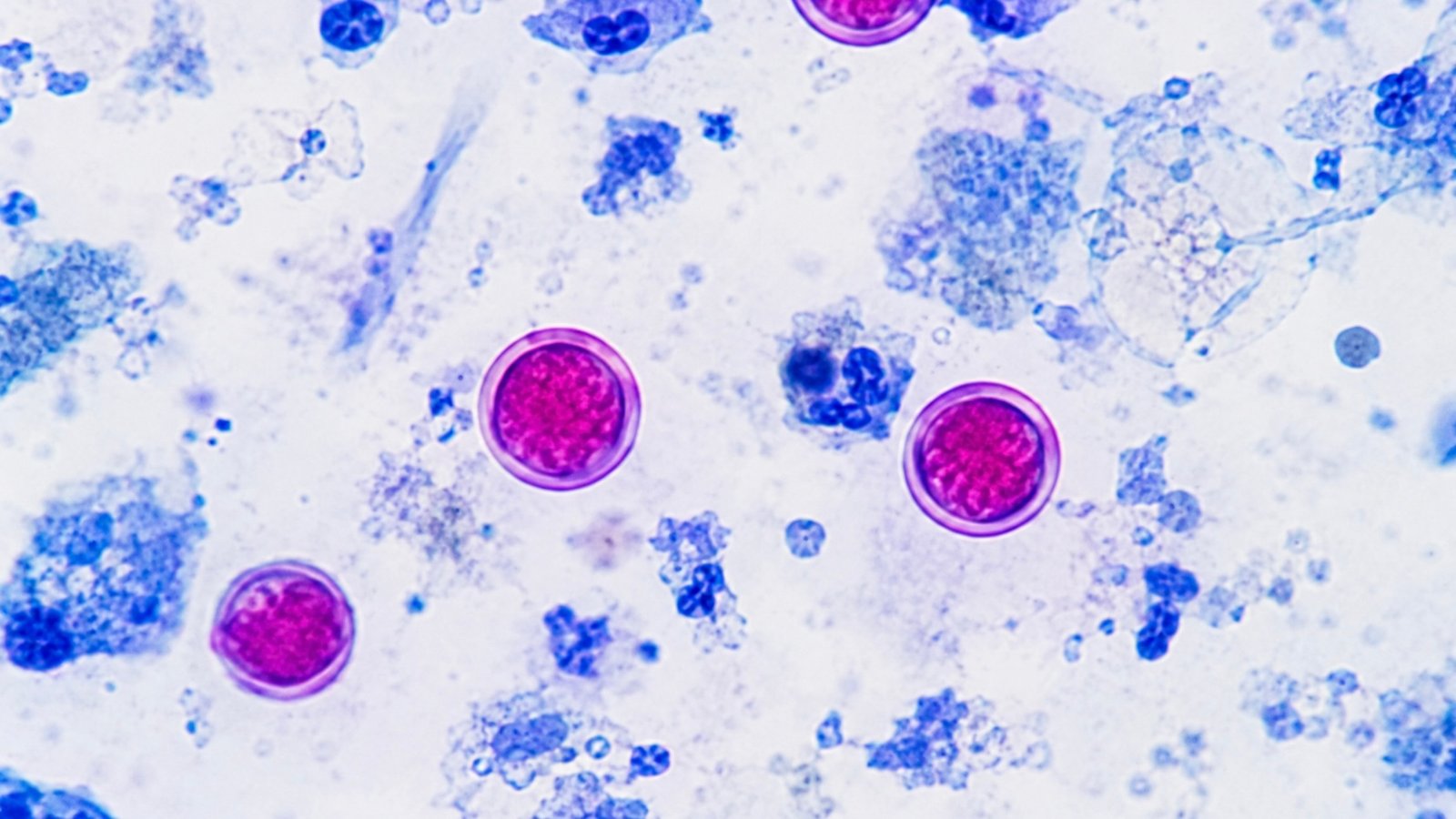
Cyclospora cayetanensis is a microscopic, single-celled parasite that infects the small intestine and causes an illness known as cyclosporiasis (cyclosporiasis).
Unlike many common stomach infections, Cyclospora is not usually spread directly from person to person. Instead, people become infected after consuming food or water contaminated with the parasite. Fresh fruits, vegetables, and herbs that are eaten raw are the most common sources during outbreaks.
One reason Cyclospora outbreaks can be difficult to control is that the parasite requires time in the environment before becoming infectious. This means someone who is sick generally cannot immediately infect another person through casual contact.
Why Is the 2026 Outbreak Receiving So Much Attention?
Health authorities have reported widespread infections across numerous states, making this one of the largest multistate Cyclospora investigations in recent years. Key facts include:
- Cases reported in more than 30 U.S. states
- Investigation involves the CDC, FDA, and state health departments
- Thousands of confirmed and suspected cases are under investigation
- The exact contaminated food source has not yet been confirmed
- Hospitalizations have occurred, mainly due to dehydration from severe diarrhea
Because the incubation period can be up to two weeks and fresh produce often has a complex supply chain, identifying the precise source can take considerable time.
How Does Cyclospora Spread?
Cyclospora primarily spreads through contaminated food or water. The parasite can contaminate produce during growing, irrigation, harvesting, processing, washing using contaminated water or through human fecal contamination. Because many vegetables and herbs are eaten raw, the parasite may survive until consumption.
Foods linked to previous outbreaks have included:
- Cilantro
- Basil
- Bagged salad mixes
- Lettuce
- Spinach
- Raspberries
- Blackberries
- Snow peas
However, these foods should not automatically be considered responsible for the current outbreak, as investigations are still ongoing.
Symptoms of Cyclospora Infection
Symptoms generally appear 2 days to 2 weeks after consuming contaminated food or water. The hallmark symptom is prolonged watery diarrhea, which may persist for weeks if left untreated. Other common symptoms include:
- Stomach cramps
- Bloating
- Excessive gas
- Nausea
- Vomiting
- Fatigue
- Loss of appetite
- Weight loss
- Low-grade fever
Some people experience symptoms that improve and then return repeatedly over several weeks.
Who Is at Higher Risk?
Although anyone can become infected, severe illness is more likely in:
- Older adults
- Young children
- Pregnant women
- Individuals with weakened immune systems
- Organ transplant recipients
- People receiving chemotherapy or immunosuppressive medications
How Is Cyclospora Diagnosed?
Diagnosis requires specialized stool testing because Cyclospora is not always detected on routine stool examinations. Healthcare providers may request:
- Stool PCR testing
- Specialized microscopic examination
- Modified acid-fast staining
If Cyclospora is suspected, patients should inform their healthcare provider about recent travel, food history, and ongoing diarrhea.
Treatment
The recommended first-line treatment is: Trimethoprim-sulfamethoxazole (TMP-SMX). Most healthy individuals recover well with appropriate treatment. Maintaining hydration is equally important because prolonged diarrhea can lead to significant dehydration and electrolyte imbalance.
People allergic to sulfonamide antibiotics should discuss alternative management options with their healthcare provider, as no equally effective standard alternative has been established.
Prevention: How to Reduce Your Risk
Although no prevention strategy completely eliminates risk, several measures can reduce the likelihood of infection. Here are some important food safety triggers that you can follow.
- Wash fruits and vegetables thoroughly under running water
- Rinse leafy greens and fresh herbs carefully
- Peel fruits when appropriate
- Prevent cross-contamination in the kitchen
- Refrigerate washed produce promptly
- Cook vegetables when suitable, as adequate heat can kill the parasite
- Drink safe, clean water when traveling
It’s important to remember that washing alone may not completely remove Cyclospora, but it remains a recommended food safety practice.
When Should You See a Doctor?
Seek medical attention if you experience:
- Watery diarrhea lasting more than 3 days
- Severe abdominal pain
- Signs of dehydration
- Blood in the stool
- Persistent vomiting
- Significant weight loss
- Fever accompanied by severe gastrointestinal symptoms
Prompt diagnosis and treatment can shorten illness and reduce complications.
Final Thoughts
The ongoing 2026 Cyclospora outbreak highlights the importance of food safety and continued public health surveillance. While investigators work to identify the precise source, consumers should avoid unnecessary panic and instead follow evidence-based food hygiene practices.
If you develop prolonged watery diarrhea after eating fresh fruits or vegetables, especially if symptoms last several days, consult your healthcare provider promptly. Most cases recover completely with appropriate treatment, but early diagnosis can help prevent dehydration and prolonged illness.
Resources
- CDC Health Alert Network (HAN): Multistate Cyclospora Outbreak (2026). https://www.cdc.gov/han/php/notices/han00531.html
- CDC: Current Cyclospora Outbreak Investigation. https://www.cdc.gov/cyclosporiasis/outbreaks/
- CDC: About Cyclosporiasis. https://www.cdc.gov/cyclosporiasis/about/
- CDC: Clinical Care of Cyclosporiasis. https://www.cdc.gov/cyclosporiasis/hcp/clinical-care/index.html
- U.S. Food and Drug Administration (FDA): Cyclospora Information. https://www.fda.gov/food/outbreaks-foodborne-illness
- Cleveland Clinic: Cyclosporiasis. https://my.clevelandclinic.org/health/diseases/17957-cyclosporiasis
- Penn State Extension: How to Stay Safe from Cyclospora. https://extension.psu.edu/
- CIDRAP (Center for Infectious Disease Research and Policy). https://www.cidrap.umn.edu/
- World Health Organization (WHO): Foodborne Diseases. https://www.who.int/health-topics/foodborne-diseases
- MedlinePlus: Cyclosporiasis. https://medlineplus.gov/cyclosporiasis.html
Frequently Asked Questions
Can Cyclospora spread from person to person?
Not usually. The parasite must mature in the environment before becoming infectious, making direct transmission uncommon.
Is the current outbreak linked to lettuce?
Investigators are examining lettuce and salad greens as possible sources, but no single food item has been officially confirmed by the CDC.
Can cooking kill Cyclospora?
Yes. Adequate cooking temperatures destroy the parasite, whereas raw produce carries the greatest risk if contaminated.