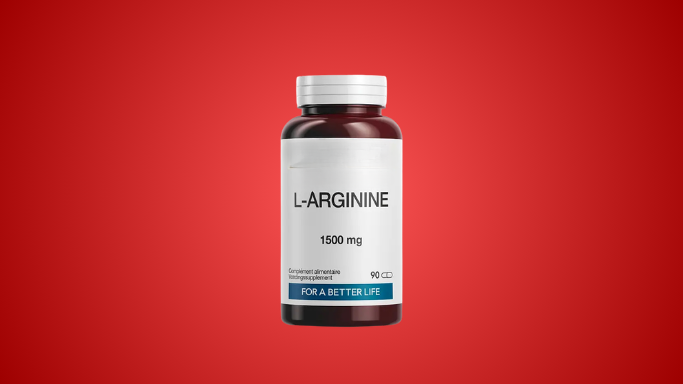
L-arginine is an important amino acid that plays a vital role in many functions throughout the body. One of its most well-known roles is helping the body produce nitric oxide, a molecule that relaxes blood vessels and supports healthy circulation. Because of this, L-arginine has gained attention for its potential benefits for cardiovascular health, exercise performance, muscle recovery, and wound healing.
While the body can produce some L-arginine on its own, obtaining additional amounts from food can help ensure adequate intake, especially for physically active individuals and those focused on overall wellness.
If you’re looking to increase your dietary intake naturally, here are some of the best foods rich in L-arginine and the health benefits they offer.
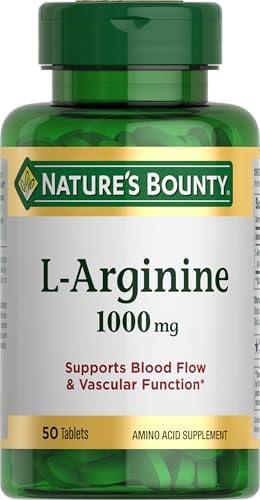
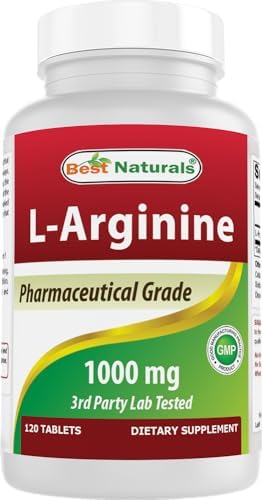

What Is L-Arginine?
L-arginine is a conditionally essential amino acid, meaning the body usually produces enough for normal needs, but additional intake may be beneficial during periods of growth, illness, injury, or increased physical stress.
The body uses L-arginine to produce nitric oxide, which helps blood vessels relax and widen. This process supports healthy blood flow and efficient delivery of oxygen and nutrients throughout the body. L-arginine also contributes to:
- Protein production
- Tissue repair
- Immune system function
- Hormone release
- Removal of waste products through the urea cycle
Potential Health Benefits of L-Arginine
1. Supports Healthy Blood Flow
Nitric oxide produced from L-arginine helps blood vessels dilate, allowing blood to flow more efficiently throughout the body. Healthy circulation is important for delivering oxygen and nutrients to tissues and organs.
2. Promotes Cardiovascular Health
Because nitric oxide helps maintain healthy blood vessel function, adequate L-arginine intake may support overall cardiovascular health as part of a balanced diet and healthy lifestyle.
3. May Enhance Exercise Performance
Athletes and fitness enthusiasts often pay attention to L-arginine because nitric oxide can improve blood flow to working muscles. Better circulation may support exercise performance and recovery.
4. Supports Muscle Recovery
Protein-rich L-arginine foods provide essential amino acids that help maintain and repair muscle tissue after exercise.
5. Helps With Wound Healing
L-arginine contributes to tissue growth and repair processes, making it important for normal wound healing and recovery.
Top 10 Foods High in L-Arginine
1. Pumpkin Seeds
Pumpkin seeds are among the richest natural sources of L-arginine.
- Approximately 5–7 grams of arginine per 100 grams
- Rich in magnesium
- Excellent source of zinc
- Provide heart-healthy fats
Pumpkin seeds are easy to add to salads, yogurt, oatmeal, or trail mixes.
2. Turkey Breast
Turkey breast is a lean protein that delivers a significant amount of L-arginine.
- Around 1.5–2 grams per 100 grams
- High-quality protein source
- Low in saturated fat
- Supports muscle maintenance
Turkey makes an excellent option for healthy sandwiches, salads, and main meals.
3. Chicken Breast
Chicken breast remains one of the most popular protein sources worldwide.
- Roughly 1.4–1.8 grams per 100 grams
- High protein content
- Low calorie density
- Supports muscle recovery
Its versatility makes it easy to include in a balanced diet.
4. Peanuts
Peanuts are one of the best plant-based sources of L-arginine.
- About 3 grams per 100 grams
- Rich in protein
- Contain healthy unsaturated fats
Enjoy peanuts in moderation as part of a heart-conscious eating pattern.
5. Soybeans
Soybeans are especially valuable for vegetarians and vegans.
- Around 2.5–3 grams per 100 grams
- Complete plant protein
- Rich in minerals
- Highly versatile
Soybeans can be enjoyed as edamame, tofu, tempeh, or soy milk.
6. Lentils
Lentils combine L-arginine with fiber and numerous beneficial nutrients.
- Approximately 1.3–1.8 grams per 100 grams (dry)
- Excellent fiber source
- Supports digestive health
- Affordable and nutritious
Lentils work well in soups, curries, and salads.
7. Almonds
Almonds provide L-arginine along with many nutrients associated with overall wellness.
- Around 2.5 grams per 100 grams
- Rich in vitamin E
- Good source of healthy fats
- Provides plant protein
A small handful makes a nutritious snack.
8. Walnuts
Walnuts offer a unique combination of L-arginine and omega-3 fatty acids.
- About 2.2–2.5 grams per 100 grams
- Rich in alpha-linolenic acid (ALA)
- Supports heart health
- Contains antioxidants
Walnuts can be added to oatmeal, salads, or eaten on their own.
9. Chickpeas
Chickpeas are a versatile and nutritious legume.
- Approximately 1.3–1.5 grams per 100 grams
- Rich in fiber
- Good source of plant protein
- Supports digestive health
They can be used in hummus, salads, curries, and grain bowls.
10. Tuna and Salmon
These fatty fish provide L-arginine while delivering beneficial omega-3 fatty acids.
- Around 1–1.5 grams per 100 grams
- Support cardiovascular health
- Rich in protein
- Provide important nutrients for brain health
Experts generally recommend including fish in the diet regularly as part of a healthy eating pattern.
How to Add More L-Arginine to Your Diet
Increasing your L-arginine intake doesn’t require supplements for most people. Consider these simple strategies:
- Sprinkle pumpkin seeds on salads
- Snack on almonds, walnuts, or peanuts
- Include lentils or chickpeas in weekly meals
- Choose turkey or chicken breast as lean protein sources
- Add soy foods such as tofu or edamame to meals
- Eat fatty fish such as salmon regularly
Combining several of these foods throughout the week can help boost your overall intake naturally.
Are There Any Risks?
For most healthy individuals, consuming L-arginine from foods is considered safe and beneficial.
However, individuals with certain medical conditions, especially cardiovascular disease, low blood pressure, kidney disease, or those taking medications that affect blood pressure, should consult a healthcare professional before using high-dose L-arginine supplements.
Obtaining L-arginine from whole foods is generally considered the safest and most balanced approach.
Final Thoughts
L-arginine is an important amino acid that supports nitric oxide production, healthy blood flow, cardiovascular function, exercise performance, and tissue repair. Fortunately, many nutritious foods naturally contain significant amounts of this amino acid.
Pumpkin seeds, turkey breast, chicken breast, peanuts, soybeans, lentils, almonds, walnuts, chickpeas, tuna, and salmon are among the best dietary sources. Including a variety of these foods in your diet can help support overall health while providing many additional vitamins, minerals, fiber, and healthy fats.
Rather than focusing on a single “superfood,” aim for a balanced dietary pattern that includes multiple L-arginine-rich foods for long-term wellness.
Sources
- National Institutes of Health (NIH) – Dietary Supplement Label Database. https://dsld.od.nih.gov
- Medical News Today – High-Arginine Foods: Sources, Benefits, and Risks. https://www.medicalnewstoday.com/articles/323259
- Healthline – 10 Healthy High-Arginine Foods. https://www.healthline.com/health/healthy-high-arginine-foods
- Healthline – Nitric Oxide Supplements: Benefits, Effectiveness, and Risks. https://www.healthline.com/nutrition/nitric-oxide-supplements
- WebMD – Health Benefits of L-Arginine. https://www.webmd.com/diet/health-benefits-l-arginine
- WebMD – L-Arginine: Uses, Side Effects, and More. https://www.webmd.com/vitamins-supplements/l-arginine
- Cleveland Clinic – L-Arginine: Benefits and Side Effects. https://health.clevelandclinic.org/l-arginine
- Harvard T.H. Chan School of Public Health – Protein and Amino Acids. https://nutritionsource.hsph.harvard.edu/protein
- USDA FoodData Central (Nutrient Data for Foods). https://fdc.nal.usda.gov
- Mayo Clinic – Healthy Diet and Heart Health. https://www.mayoclinic.org/healthy-lifestyle/nutrition-and-healthy-eating