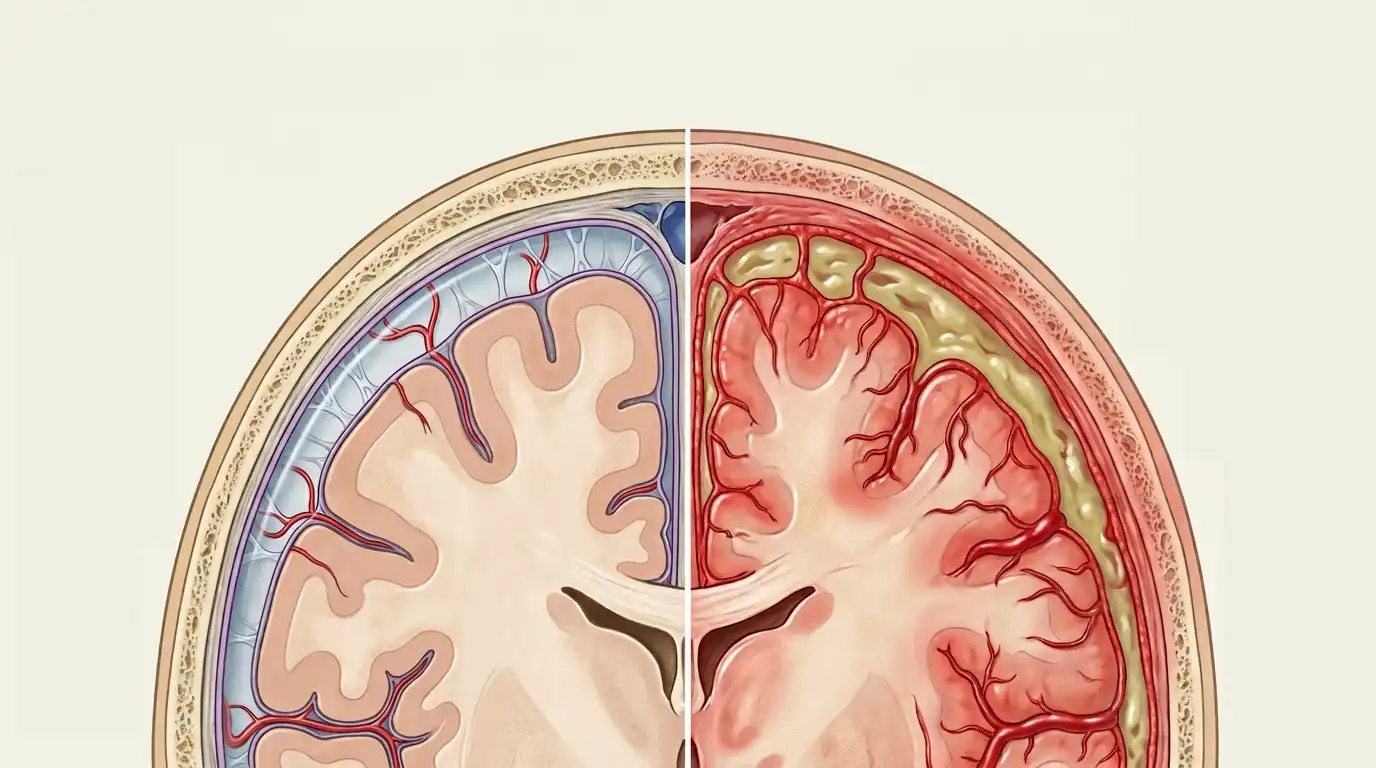
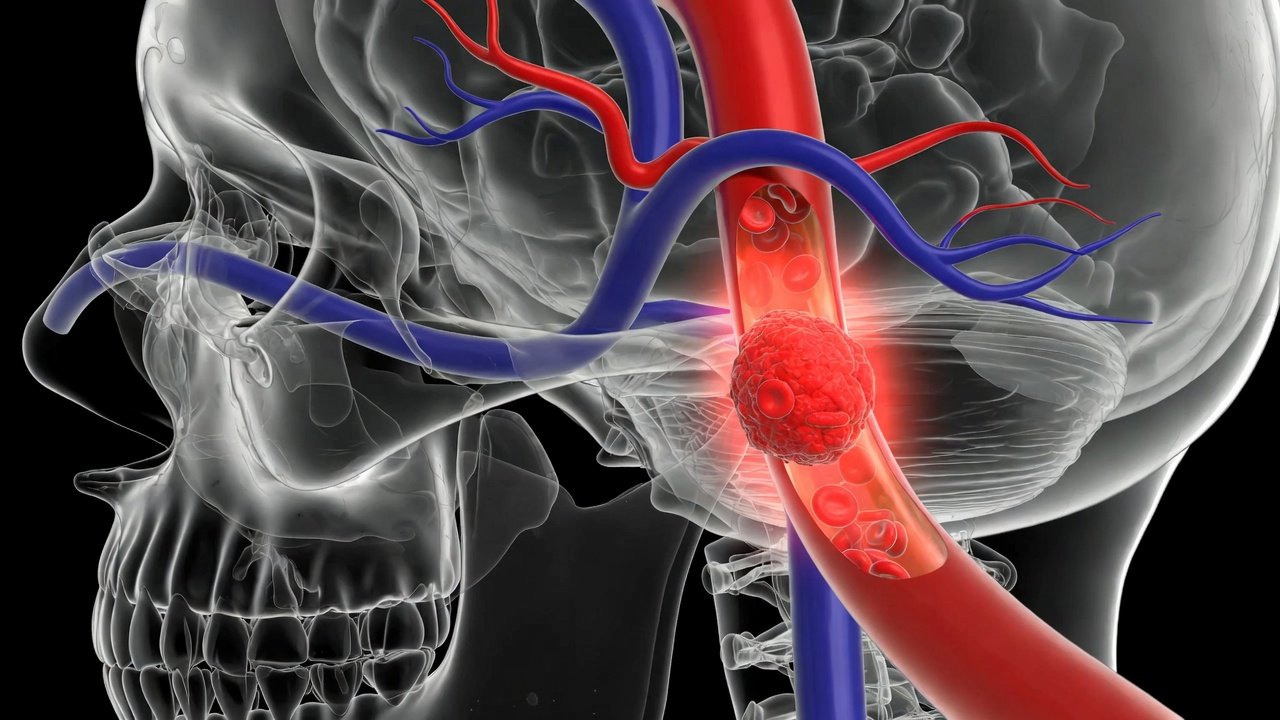
A stroke is often called a “brain attack” because it happens when blood supply to part of the brain is suddenly interrupted. Without oxygen and nutrients, brain cells begin to become damaged within minutes.
The most important factor in stroke treatment is time. Recognizing symptoms quickly and getting emergency medical help can reduce brain damage, disability, and the risk of death.
Many people know the FAST warning signs of stroke, but some strokes present with symptoms involving balance and vision. This is why many health organizations promote the expanded B.E. F.A.S.T. method to help people recognize more warning signs.

What Is a Stroke?
A stroke occurs when blood flow to the brain is disrupted. There are two main types:
1. Ischemic Stroke
An ischemic stroke happens when a blood clot blocks an artery supplying blood to the brain. Common causes include:
- Atherosclerosis (fatty plaque buildup in arteries)
- Blood clots from the heart, especially due to atrial fibrillation
- Narrowing of blood vessels supplying the brain
2. Hemorrhagic Stroke
A hemorrhagic stroke occurs when a blood vessel in the brain ruptures and causes bleeding. Common causes include:
- Long-standing uncontrolled high blood pressure
- Brain aneurysms
- Blood vessel abnormalities
Both types of stroke can cause permanent brain injury if treatment is delayed.
The BE FAST Method: Recognizing Stroke Symptoms Quickly
The BE FAST method helps identify common stroke warning signs.
B — Balance: Sudden Loss of Balance or Coordination
A person experiencing a stroke may suddenly develop:
- Difficulty walking
- Loss of coordination
- Severe dizziness
- Feeling unsteady or unable to stand properly
Sudden balance problems can occur when areas of the brain responsible for coordination are affected.
E — Eyes: Sudden Vision Changes
Stroke can affect vision pathways in the brain. Warning signs include:
- Sudden blurred vision
- Double vision
- Loss of vision in one or both eyes
- Difficulty seeing clearly
Sudden vision problems should never be ignored, especially when combined with other neurological symptoms.
F — Face: Facial Drooping
Ask the person to smile. Look for:
- One side of the face drooping
- Uneven smile
- Numbness or weakness on one side of the face
Facial weakness occurs when stroke affects the brain areas controlling facial muscles.
A — Arms: Arm Weakness or Numbness
Ask the person to raise both arms. A warning sign is:
- One arm drifting downward
- Weakness on one side of the body
- Sudden numbness in an arm or leg
Stroke symptoms often affect only one side because each side of the brain controls the opposite side of the body.
S — Speech: Speech Difficulty
Ask the person to repeat a simple sentence. Watch for:
- Slurred speech
- Difficulty finding words
- Confusion
- Trouble understanding speech
Sudden speech changes are one of the most recognizable signs of stroke.
T — Time: Act Immediately
If any BE FAST symptoms appear call emergency services immediately. Do not wait to see if symptoms improve. Remember, a stroke is not a “wait and see” condition. The faster treatment begins, the better the chance of reducing brain injury.
Other Stroke Warning Signs You Should Know
Not every stroke follows the classic BE FAST pattern. Seek emergency help for:
- Sudden severe headache with no known cause
- Sudden confusion
- Sudden difficulty understanding others
- Sudden weakness or numbness on one side of the body
- Sudden difficulty walking
- Loss of consciousness
What Should You Do If Someone May Be Having a Stroke?
Follow these steps:
1. Call emergency services immediately
Do not drive the person yourself if emergency transport is available. Ambulance teams can begin assessment and urgent care during transport.
2. Note the time symptoms started
Doctors need to know:
- The exact time symptoms began
- When the person was last known to be normal
This information helps determine treatment options.
3. Keep the person safe
- Help them sit or lie down safely
- Do not give food, drinks, or medications unless advised by medical professionals
- Monitor their condition until help arrives
Why Early Treatment Matters
For some types of ischemic stroke, treatments such as clot-busting medicines (thrombolysis) or mechanical clot removal (thrombectomy) may restore blood flow if the patient reaches appropriate care quickly. However, eligibility depends on several factors, including:
- Type of stroke
- Brain imaging results
- Time since symptoms began
- Overall health condition
Stroke Risk Factors: Who Is at Higher Risk?
Some stroke risk factors cannot be changed, such as age and family history. However, many important risk factors can be controlled.
Major Modifiable Risk Factors
- High blood pressure (the leading preventable risk factor)
- Diabetes
- High cholesterol
- Smoking
- Obesity
- Physical inactivity
- Excess alcohol consumption
- Irregular heartbeat, especially atrial fibrillation
How Can You Reduce Your Stroke Risk?
A healthy lifestyle can significantly lower stroke risk.
Control Your Blood Pressure
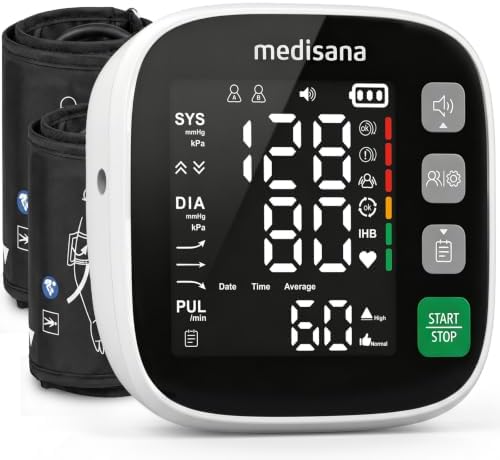
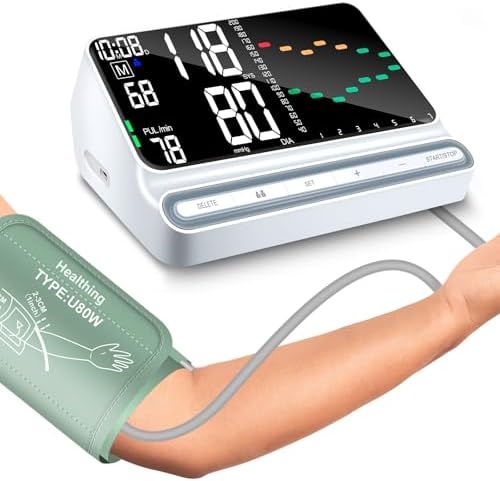
Regular blood pressure checks and proper treatment are among the most effective ways to prevent stroke.
Stay Physically Active
Aim for regular moderate exercise, such as:
- Brisk walking
- Cycling
- Swimming
- Strength training
Eat a Brain-Healthy Diet
Focus on:
- Vegetables and fruits
- Whole grains
- Fish and healthy proteins
- Nuts and seeds
- Healthy fats
Limit:
- Excess salt
- Processed foods
- Trans fats
- Excess sugar
Avoid Smoking
Smoking damages blood vessels, increases clot formation, and significantly raises stroke risk.
Manage Medical Conditions
Regular follow-up is important if you have:
- Hypertension
- Diabetes
- High cholesterol
- Heart rhythm problems
Transient Ischemic Attack (TIA): The Warning Stroke
A transient ischemic attack (TIA), sometimes called a “mini-stroke,” occurs when stroke-like symptoms appear but disappear after a short time.
Even if symptoms completely resolve, a TIA is a warning sign that a major stroke may occur in the future. Never ignore temporary symptoms such as:
- Sudden weakness
- Speech difficulty
- Vision changes
- Balance problems
Immediate medical evaluation is important.
Key Takeaway
A stroke can happen suddenly, but recognizing the warning signs can save a life.
Remember BE FAST:
- B — Balance loss
- E — Eye problems
- F — Face drooping
- A — Arm weakness
- S — Speech difficulty
- T — Time to call emergency help
When it comes to stroke, every minute matters.


Sources
- Centers for Disease Control and Prevention (CDC) — Signs and Symptoms of Stroke. https://www.cdc.gov/stroke/signs-symptoms/
- Centers for Disease Control and Prevention (CDC) — Stroke Treatment and Intervention. https://www.cdc.gov/stroke/treatment/
- American Stroke Association — B.E. F.A.S.T. Stroke Awareness Resources. https://www.stroke.org/en/help-and-support/resource-library/be-fast-materials
- World Stroke Organization — Stroke Awareness and Advocacy. https://www.world-stroke.org/awareness-advocacy