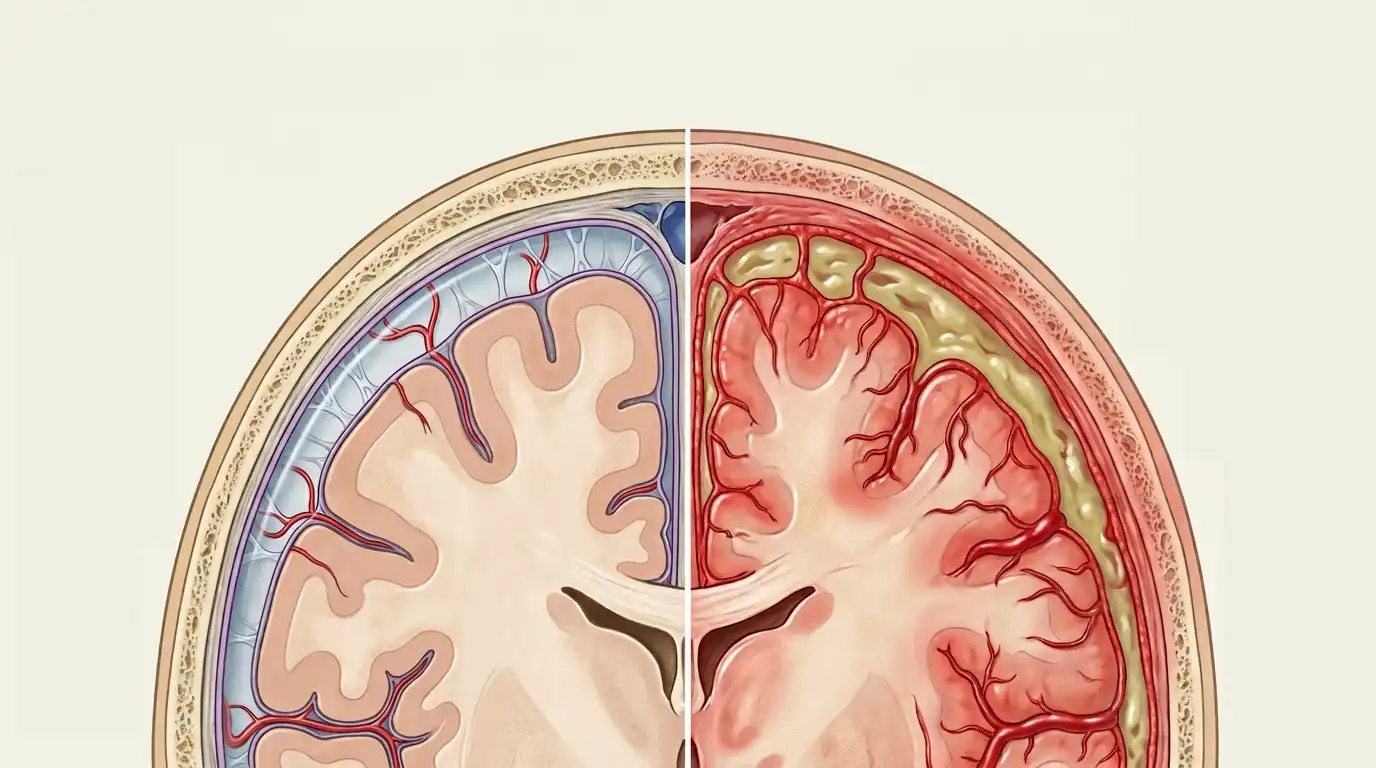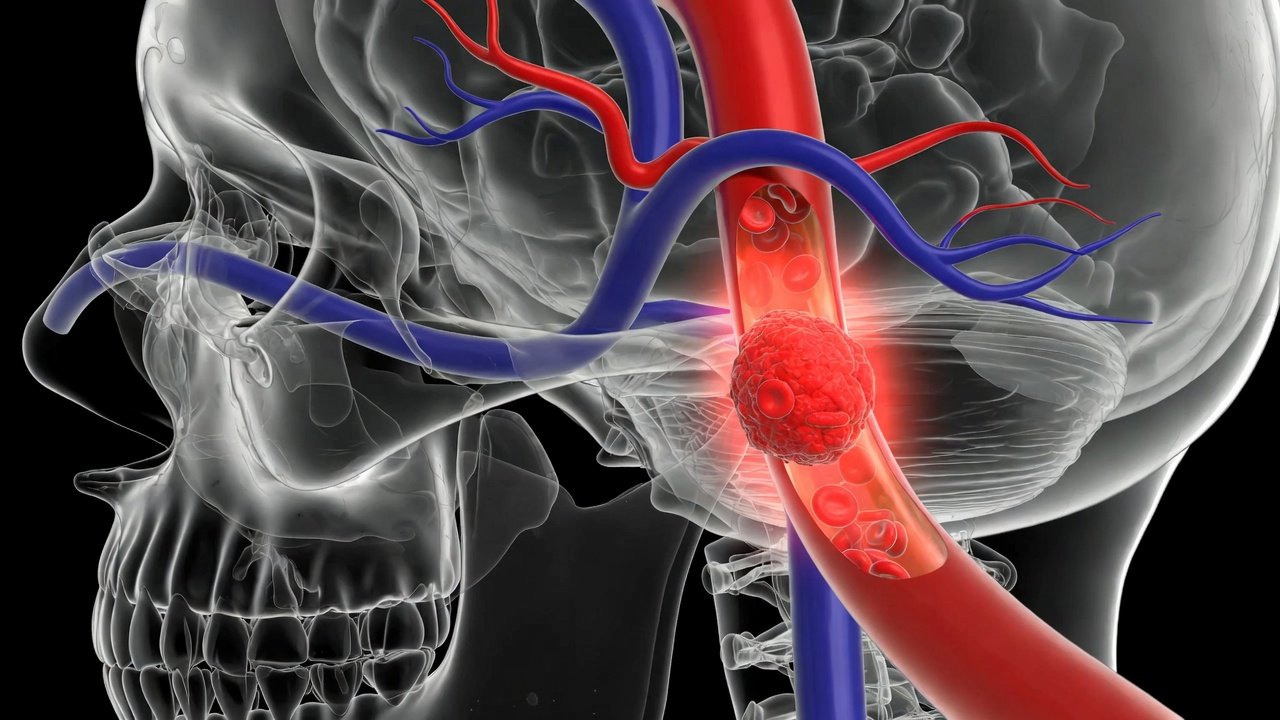
Alzheimer’s disease is the most common cause of dementia, affecting millions of people worldwide. Until recently, diagnosing Alzheimer’s often required expensive brain scans or an invasive lumbar puncture (spinal tap) to detect the disease’s hallmark proteins. These methods are effective but are not always readily available, especially in primary care settings.
A major breakthrough arrived in 2025 when the U.S. Food and Drug Administration (FDA) cleared the first blood test to help detect Alzheimer’s disease pathology. This development has the potential to transform how doctors identify patients who may benefit from early treatment, further testing, and better long-term planning.


Why Early Diagnosis Matters
Alzheimer’s disease begins silently, often 15 to 20 years before noticeable memory problems develop. During this period, abnormal proteins gradually accumulate in the brain, damaging nerve cells.
Early diagnosis offers several important benefits:
- Earlier access to disease-modifying treatments for eligible patients.
- Better management of symptoms and other health conditions.
- More time for patients and families to plan for the future.
- Greater opportunity to participate in clinical trials.
- Improved lifestyle interventions that may help preserve brain health.
The earlier Alzheimer’s is recognized, the more treatment options may be available before significant brain damage occurs.
The Science Behind Alzheimer’s Disease
The two hallmark proteins involved in Alzheimer’s disease are:
- Amyloid-beta, which forms sticky plaques outside brain cells.
- Tau protein, which forms tangles inside brain cells after becoming abnormally phosphorylated.
These abnormal proteins eventually disrupt communication between neurons, leading to memory loss, cognitive decline, and changes in behavior. Traditionally, confirming these protein changes required:
- PET (Positron Emission Tomography) brain imaging.
- Cerebrospinal fluid (CSF) analysis obtained through lumbar puncture.
Although highly accurate, both methods have limitations related to cost, accessibility, and patient comfort.
What Is the New Alzheimer’s Blood Test?
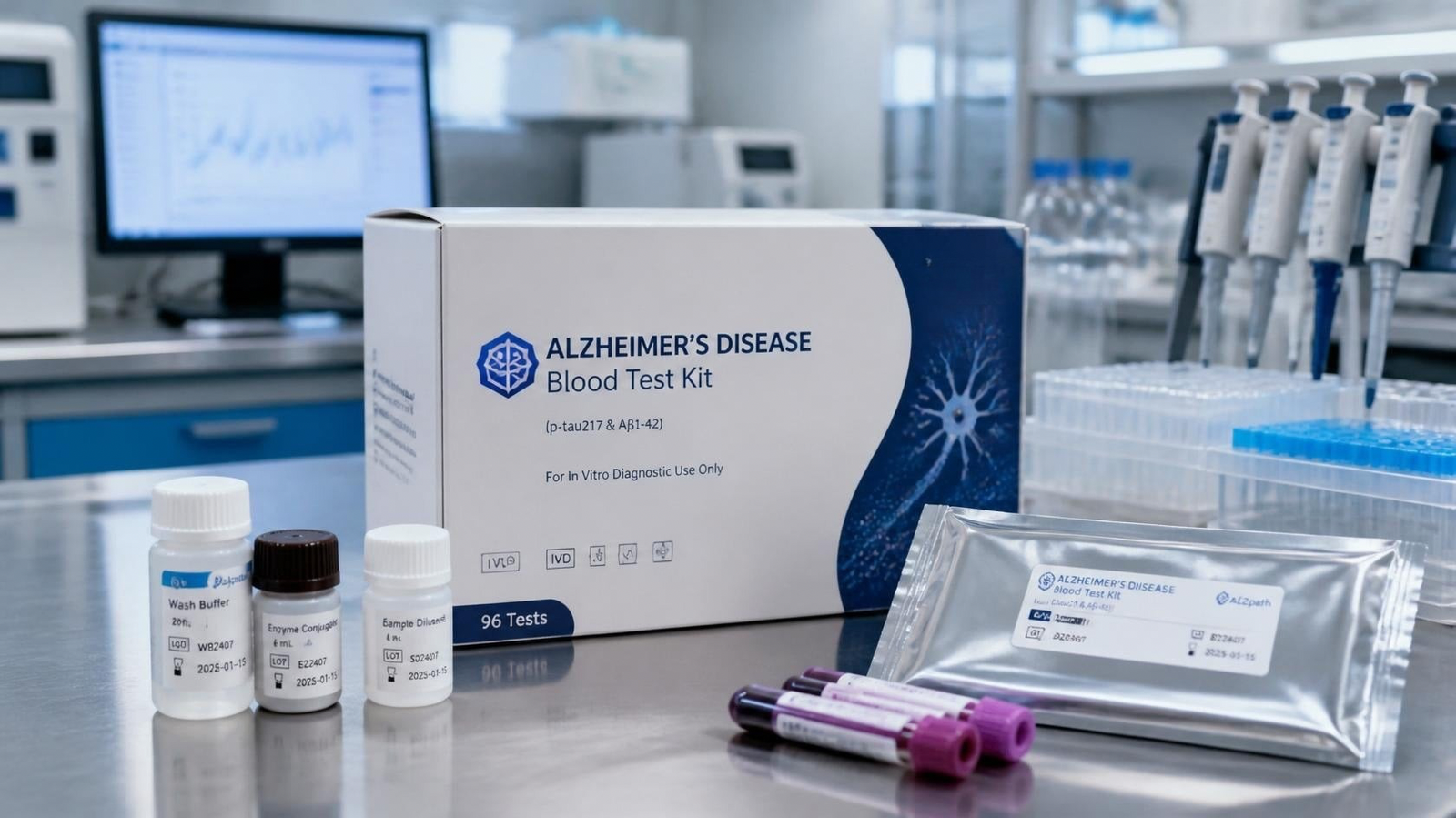
The newly FDA-cleared blood test measures specific Alzheimer’s-related biomarkers circulating in the bloodstream. One of the most important biomarkers is the pTau217 (phosphorylated tau 217) protein, which strongly reflects the presence of amyloid plaques in the brain. The first FDA-cleared test, Lumipulse G pTau217/β-Amyloid 1-42 Plasma Ratio, analyzes the ratio between:
- Phosphorylated Tau217 (pTau217)
- Beta-amyloid 1-42
This ratio closely correlates with Alzheimer’s disease pathology in the brain. Instead of directly diagnosing dementia, the test estimates the likelihood that Alzheimer’s-related amyloid pathology is present.
Who Is the Test Intended For?
The blood test is not recommended as a routine screening test for healthy adults. Instead, it is intended for adults who:
- Are 55 years or older.
- Have signs or symptoms of cognitive impairment.
- Are being evaluated by healthcare professionals for possible Alzheimer’s disease.
The test is used alongside:
- Medical history
- Neurological examination
- Cognitive assessment
- Brain imaging when necessary
It should always be interpreted by clinicians experienced in diagnosing dementia.
How Accurate Is It?
Clinical studies have shown impressive performance. Research involving patients with cognitive impairment demonstrated that the blood test showed strong agreement with PET brain scans and cerebrospinal fluid testing, the current reference standards for detecting Alzheimer’s pathology.
While no single test is perfect, blood biomarkers have become increasingly reliable and can substantially reduce the need for more invasive or expensive diagnostic procedures in many patients. Doctors may still recommend PET imaging or spinal fluid testing if blood test results are unclear or if additional confirmation is needed before starting certain Alzheimer’s medications.
Advantages of the New Blood Test
Compared with traditional diagnostic methods, the blood test offers several important advantages.
- Less Invasive– A routine blood sample replaces the need for a lumbar puncture in many patients.
- Faster Results– Blood samples can often be processed more quickly than arranging specialized PET scans.
- More Accessible– Many hospitals and diagnostic laboratories can perform blood testing more easily than advanced neuroimaging.
- Lower Cost– Blood testing is expected to be considerably less expensive than PET imaging, potentially improving access for more patients.
- Supports Earlier Treatment Decisions– Earlier identification of Alzheimer’s pathology may help eligible patients begin newly approved disease-modifying therapies before extensive brain damage occurs.
Are There Any Limitations?
Although this breakthrough is significant, the blood test is not perfect. Some important limitations include:
- It does not diagnose Alzheimer’s disease by itself.
- It should only be used in people with symptoms of cognitive decline.
- False-positive and false-negative results remain possible.
- Other neurological diseases may sometimes influence biomarker levels.
- Clinical evaluation remains essential.
Doctors must interpret blood test results together with the patient’s symptoms, examination findings, and other investigations.
Could This Replace Brain Scans?
Not completely. PET scans and cerebrospinal fluid analysis remain valuable diagnostic tools, especially when:
- Blood test results are inconclusive.
- Patients are being evaluated for certain anti-amyloid therapies.
- Doctors suspect other neurological disorders.
However, experts believe blood biomarkers could become the preferred first-line test for many patients with memory complaints, reserving PET imaging for more complex cases.
What Does This Mean for Patients?
This breakthrough represents one of the biggest advances in Alzheimer’s diagnosis in decades. Earlier, simpler testing may allow more people to:
- Receive an accurate diagnosis sooner.
- Access appropriate treatments earlier.
- Reduce unnecessary testing.
- Better understand the cause of memory problems.
- Participate in clinical research.
As additional biomarkers continue to be developed, blood testing is expected to become an increasingly important part of dementia care worldwide.
Future Directions
Researchers are already studying newer blood biomarkers that may further improve diagnosis and even predict disease progression before symptoms begin. Future blood tests may eventually help physicians:
- Estimate disease severity.
- Monitor response to treatment.
- Predict the rate of progression.
- Differentiate Alzheimer’s disease from other forms of dementia.
Although more research is ongoing, blood biomarker testing is rapidly becoming one of the most exciting developments in neurology.
Key Takeaways
The FDA’s clearance of the first blood test for Alzheimer’s disease marks a major milestone in dementia care. By measuring Alzheimer’s-related proteins such as pTau217 and beta-amyloid in a simple blood sample, clinicians can more easily identify patients who may have Alzheimer’s pathology. While the test does not replace a comprehensive medical evaluation, it provides a faster, less invasive, and more accessible way to support diagnosis in adults with cognitive impairment. As research advances, blood biomarker testing is expected to play an increasingly central role in the early detection and management of Alzheimer’s disease.
Sources
- U.S. Food and Drug Administration (FDA) – FDA clears first blood test to aid in diagnosing Alzheimer’s disease. https://www.fda.gov/news-events/press-announcements/fda-clears-first-blood-test-aid-diagnosing-alzheimers-disease
- Alzheimer’s Association – Blood Biomarker Testing for Alzheimer’s Disease. https://www.alz.org/alzheimers-dementia/research_progress/blood-tests
- National Institute on Aging (NIA) – Alzheimer’s Disease Fact Sheet. https://www.nia.nih.gov/health/alzheimers-and-dementia/alzheimers-disease-fact-sheet
- Alzheimer’s Association Clinical Practice Guideline Workgroup. Blood-Based Biomarkers in Alzheimer’s Disease (2025). https://pro.alz.org/hub/care-pathway/detection-and-diagnosis/blood-based-biomarkers-guideline
- Nature Reviews Neurology. Recent advances in blood biomarkers for Alzheimer’s disease (2024–2025 review). https://www.nature.com/nrneurol/
- JAMA Neurology. Plasma pTau217 for Alzheimer’s disease diagnosis and clinical implementation (2024–2025). https://jamanetwork.com/journals/jamaneurology/fullarticle/2838887