What Does It Mean That the Gut Has Its Own Brain?
Most people think of the brain as the command center of thoughts and decisions — but scientists now recognize that the gut also has a complex nervous system capable of acting semi‑independently. This system, called the enteric nervous system (ENS), has been nicknamed the “second brain” because it contains millions of neurons and communicates constantly with the central brain.
The Enteric Nervous System: The Gut’s “Brain”
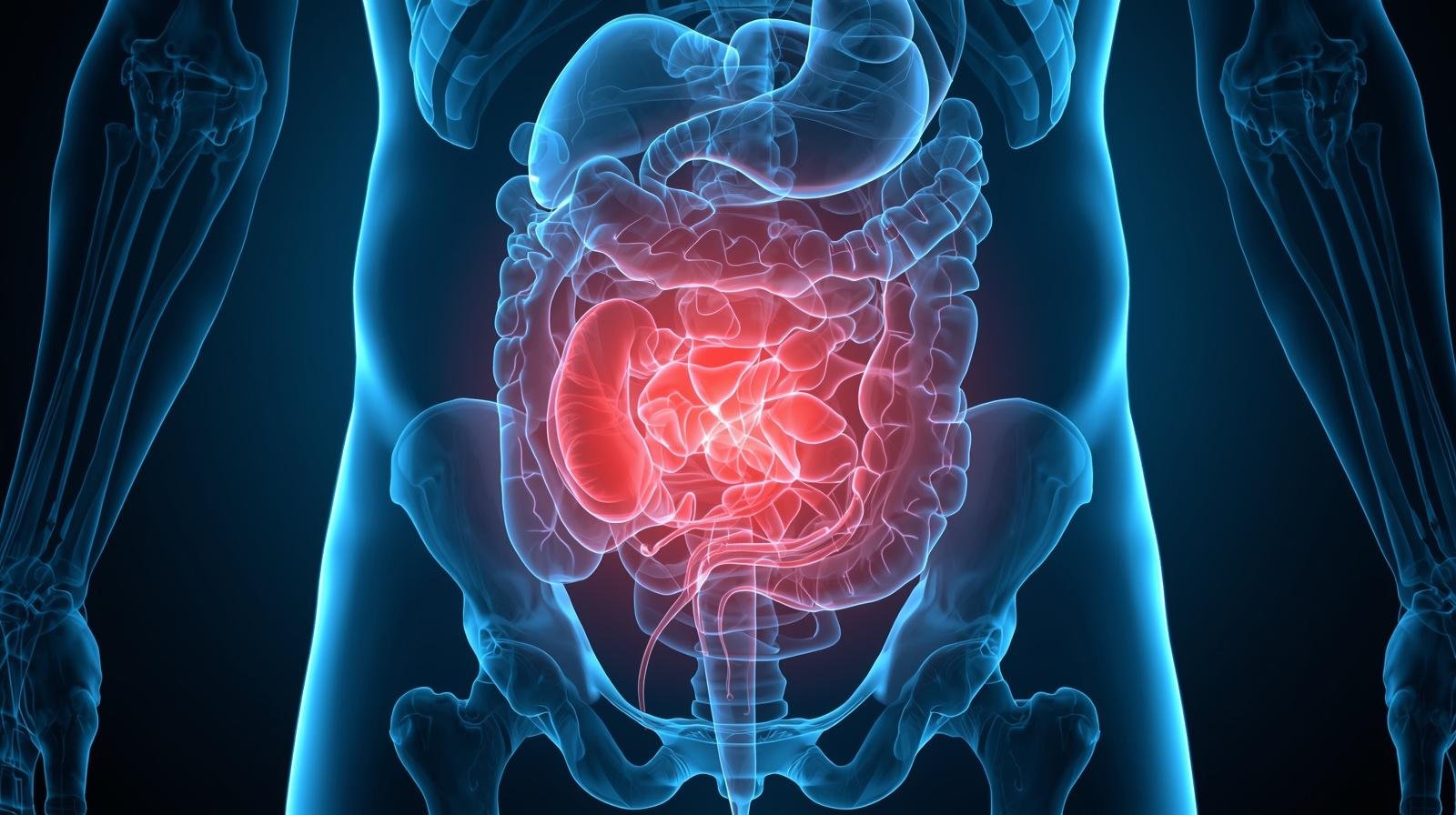
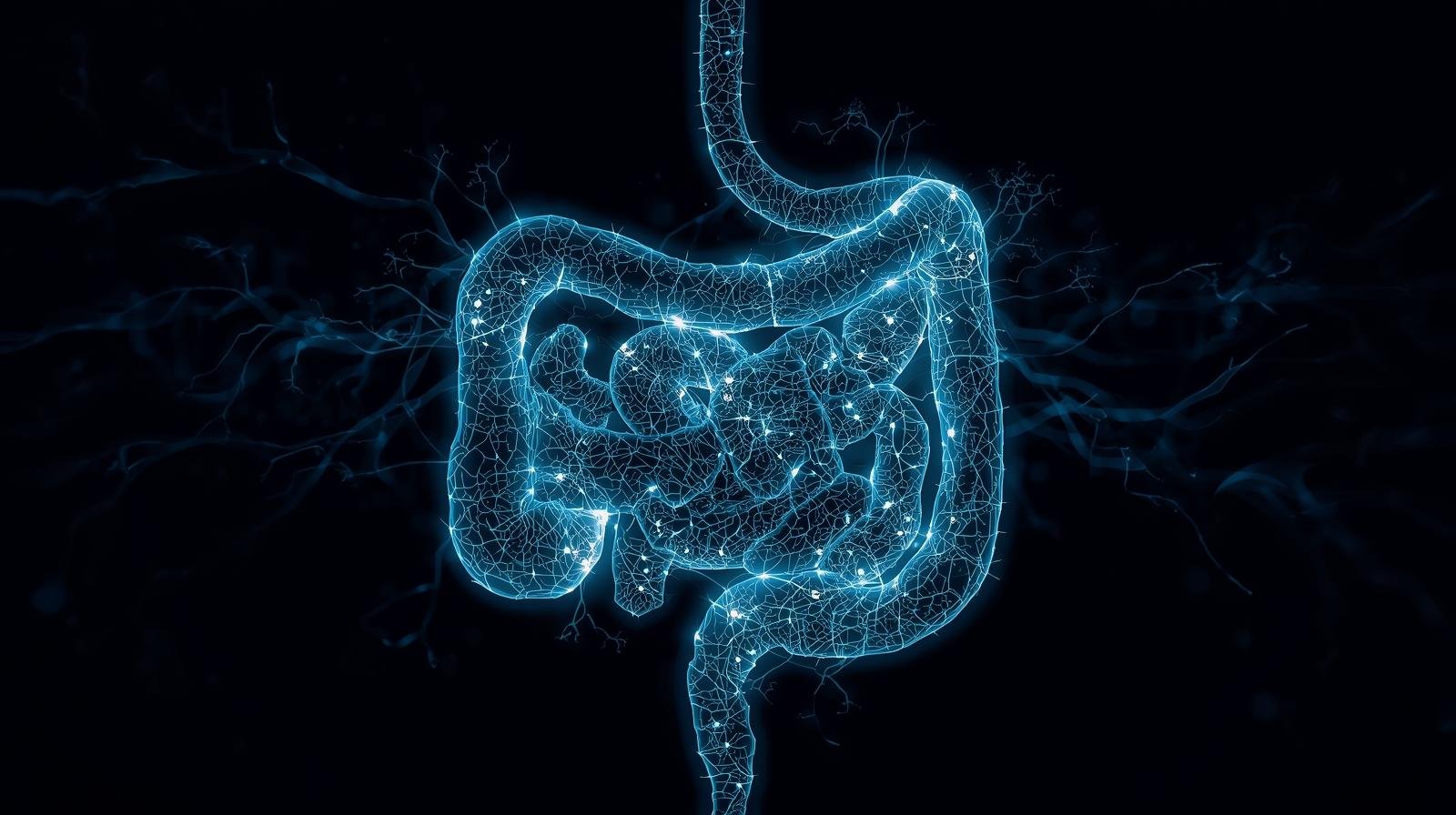
Deep within the walls of your digestive tract lies the enteric nervous system, a network of more than 100 million nerve cells that controls digestion — from moving food through the gut to releasing enzymes that break down nutrients. The ENS can operate independently of the brain to manage these processes internally.
How the Gut and Brain Communicate
Although the enteric nervous system can function on its own, it still talks to the brain. This connection happens through multiple pathways, particularly the vagus nerve, which acts like a superhighway of information between gut and brain. Signals travel in both directions — from the gut to the brain and vice versa — influencing digestion, mood, immune response and more.
The Role of Neurons and Neurotransmitters
The gut’s neurons don’t just manage digestion — they also produce chemical messengers called neurotransmitters. For example, a large portion of the body’s serotonin (a neurotransmitter linked to mood and well‑being) is found in the gut. While most of this serotonin stays local, it shows just how deeply connected the gut’s nervous system is to overall functioning.
Gut‑Brain Axis: The Two‑Way Communication System
Scientists refer to the ongoing dialogue between the gut and brain as the gut‑brain axis — a complex, two‑way system involving:
- Nerves
- Hormones
- Immune signals
- Microbiome metabolites(chemicals from gut bacteria)
This system helps regulate hunger, stress, emotions, digestion, and even immune function.
Gut Influences Mood and Mental Health
Because the gut and brain communicate constantly, problems in gut health can affect mental well‑being. For example, irritation or inflammation in the gut can send distress signals to the brain, potentially contributing to anxiety or depression — not only the other way around.
Gut Microbiome: Tiny Organisms with Big Impact
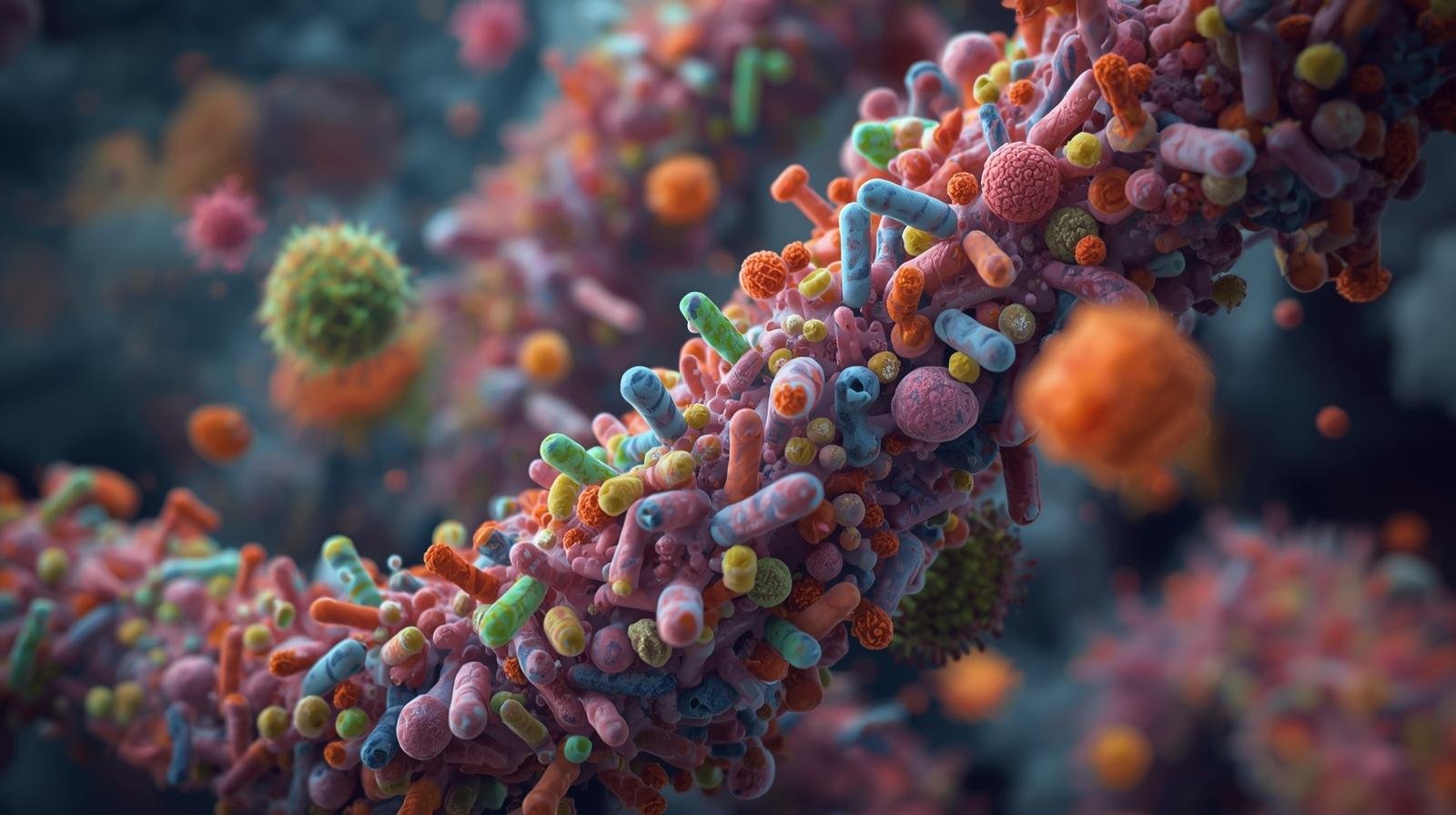
Your gut also houses trillions of microbes — bacteria, fungi, and viruses — collectively called the gut microbiome. These microorganisms help produce or influence compounds that affect the brain and nervous system. Research increasingly shows that a balanced microbiome plays a key role in emotional regulation, stress response, and overall brain health.
Real‑World Implications: Health & Disease
Understanding the gut’s “second brain” has practical medical implications. Conditions like irritable bowel syndrome (IBS), stress‑related digestive symptoms, and even some mood disorders may be linked to disruptions in gut‑brain communication. This insight has led to new treatment approaches that focus on gut health to improve both physical and mental symptoms.
How to Support a Healthy Gut‑Brain Connection?
Supporting your gut doesn’t just help digestion — it may also support mental health and immune function. Some science‑backed strategies include:
- Eating a balanced, fiber‑rich diet
- Including fermented foods (like yogurt, kimchi, or kefir)
- Managing stress
- Getting adequate sleep and exercise
These steps support healthy gut bacteria and reduce inflammation that could disrupt gut‑brain signaling.
Conclusion
The phrase “your gut has a brain of its own” isn’t just a metaphor — it reflects a real, complex system within your body. The enteric nervous system collaborates with the central brain, creating a seamless communication network that affects digestion, mood, and even overall health. Understanding this connection empowers us to care for both gut and mind more intentionally.
Sources
- The Brain‑Gut Connection — Johns Hopkins Medicine : https://www.hopkinsmedicine.org/health/wellness-and-prevention/the-brain-gut-connection
- Gut Communicates Directly with Brain — NIH article on neural connections and nutrient signaling: https://www.nih.gov/news-events/nih-research-matters/gut-communicates-directly-brain
- What Is the Gut‑Brain Connection? — Cleveland Clinic overview of the gut‑brain axis: https://my.clevelandclinic.org/health/body/the-gut-brain-connection
- Gut–Memory Connection — Wikipedia entry on ENS and vagus nerve pathways: https://en.wikipedia.org/wiki/Gut%E2%80%93memory_connection
- Gut–Brain Axis and Brain Microbiome Interactions — MDPI review (2025) on microbiome and brain health: https://www.mdpi.com/2076-3425/15/2/167