Obesity is no longer viewed as simply a matter of “eating less and exercising more.” Modern research shows that body weight is regulated by a complex network involving the brain, hormones, digestive system, metabolism, genetics, and environmental factors. Because of this, weight loss medications have evolved from basic appetite suppressants to sophisticated treatments that target the biological pathways controlling hunger, fullness, and energy balance.
Today’s medications, particularly GLP-1 receptor agonists such as semaglutide and dual-action drugs such as tirzepatide, have transformed obesity treatment by helping people achieve significant and sustained weight loss. Understanding the science behind these medications can help explain why they are becoming an important tool in modern healthcare.


Understanding Obesity as a Chronic Disease
Obesity is a chronic metabolic condition characterized by excessive body fat accumulation that increases the risk of health problems such as:
- Type 2 diabetes
- High blood pressure
- Heart disease
- Stroke
- Sleep apnea
- Fatty liver disease
- Certain cancers
Scientists now recognize that obesity involves disruptions in the body’s energy regulation systems. When people lose weight through dieting alone, the body often responds by:
- Increasing hunger hormones
- Reducing feelings of fullness
- Slowing metabolism
- Encouraging weight regain
This biological resistance is one reason long-term weight maintenance can be difficult. Modern weight loss medications aim to counter these mechanisms.
What Are Weight Loss Medications?
Weight loss medications are prescription drugs designed to help people reduce excess body weight when lifestyle changes alone are not sufficient.
Different medications work through different mechanisms, including:
- Reducing appetite
- Increasing feelings of fullness
- Slowing digestion
- Altering nutrient absorption
- Influencing brain pathways that regulate food cravings
- Improving blood sugar regulation
The newest and most effective medications primarily work by mimicking hormones naturally produced by the body after eating.
The Role of GLP-1: The Hormone Revolution
One of the biggest breakthroughs in obesity treatment involves a hormone called Glucagon-Like Peptide-1 (GLP-1). GLP-1 is naturally released from cells in the intestine after meals. Its primary functions include:
- Signaling the brain that you are full
- Slowing stomach emptying
- Stimulating insulin release
- Reducing glucagon production
- Helping regulate blood sugar levels
Many people with obesity may have impaired appetite regulation, making it harder to feel satisfied after eating. GLP-1-based medications help restore these signals.
How GLP-1 Weight Loss Medications Work
1. They Reduce Hunger Signals in the Brain
GLP-1 receptors are found in areas of the brain involved in appetite regulation, particularly the hypothalamus. When GLP-1 medications activate these receptors, they:
- Decrease hunger
- Reduce food cravings
- Lower overall calorie intake
- Increase satiety
Many patients report feeling satisfied with smaller meals and thinking less about food throughout the day.
2. They Slow Stomach Emptying
Normally, food moves from the stomach into the intestines at a steady rate. GLP-1 medications slow this process, meaning:
- Food stays in the stomach longer
- Fullness lasts longer after meals
- Blood sugar spikes are reduced
- Appetite decreases naturally
This delayed gastric emptying is one reason why many users feel full sooner than before treatment.
3. They Improve Blood Sugar Control
GLP-1 medications help the pancreas release insulin when blood sugar levels rise. At the same time, they reduce the release of glucagon, a hormone that raises blood sugar. This dual effect:
- Improves glucose control
- Reduces insulin resistance
- Helps stabilize energy levels
- Supports healthier metabolism
This explains why many of these drugs were initially developed for type 2 diabetes before being approved for obesity treatment.
4. They Influence Food Reward Pathways
Research suggests GLP-1 medications affect brain regions associated with reward and pleasure. Scientists believe these medications may:
- Reduce cravings for highly processed foods
- Decrease emotional eating
- Lower preference for calorie-dense foods
- Improve control over eating behaviors
This effect helps explain why many people report a dramatic reduction in “food noise”—persistent thoughts about food and eating.
Semaglutide:
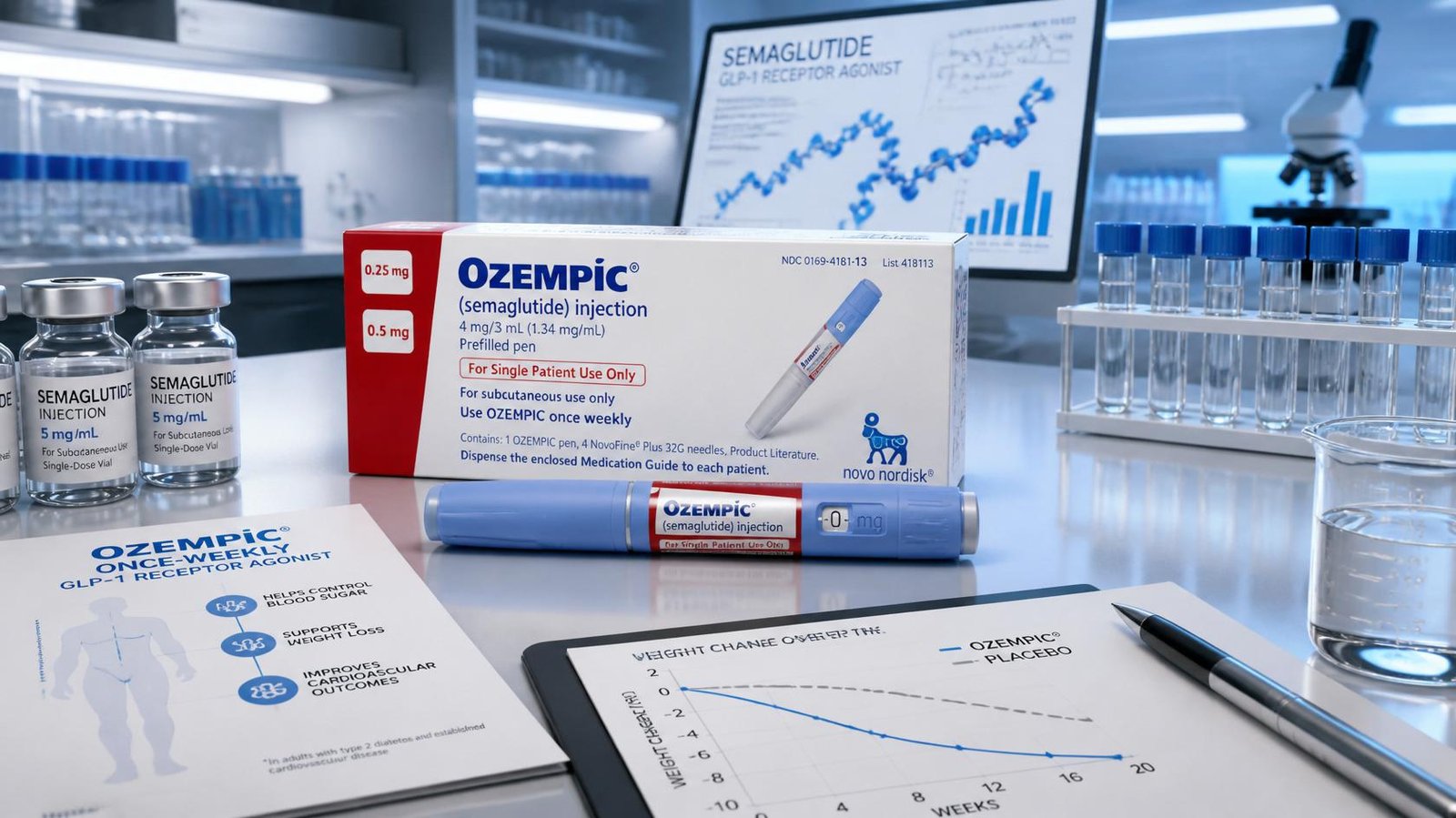
Semaglutide is the active ingredient found in medications such as Wegovy and Ozempic.
Semaglutide mimics natural GLP-1 but remains active in the body much longer than the naturally occurring hormone.
Clinical studies have demonstrated average weight reductions of approximately 15% or more of body weight in many patients when combined with lifestyle changes.
Tirzepatide:
Tirzepatide represents a newer generation of weight loss treatment. Unlike semaglutide, tirzepatide targets two hormones:
- GLP-1
- GIP (Glucose-Dependent Insulinotropic Polypeptide)
This dual action may:
- Enhance satiety
- Improve insulin sensitivity
- Increase weight loss effectiveness
- Improve metabolic health
Studies have shown weight reductions approaching 20–25% in some patients, making it one of the most effective obesity medications currently available.
Why These Medications Are Different From Older Diet Pills?
Earlier weight loss drugs often worked by stimulating the nervous system. These medications could cause:
- Increased heart rate
- Insomnia
- Anxiety
- Dependence risks
Modern GLP-1-based medications work through biological pathways that naturally regulate appetite and metabolism rather than simply stimulating the body. This has improved both effectiveness and safety for many patients.
Potential Health Benefits Beyond Weight Loss
Research suggests these medications may provide benefits beyond weight reduction. Potential advantages include:
- Improved blood sugar control
- Lower blood pressure
- Reduced cardiovascular risk
- Better cholesterol levels
- Reduced inflammation
- Improved fatty liver disease outcomes
Some studies have also demonstrated reductions in major cardiovascular events among high-risk patients.
Common Side Effects
Like all medications, weight loss drugs can cause side effects. The most common include:
- Nausea
- Vomiting
- Diarrhea
- Constipation
- Stomach discomfort
- Reduced appetite
These symptoms often occur during dose escalation and improve over time as the body adapts.
Why Weight Regain Can Occur
One important scientific finding is that obesity behaves like a chronic disease. When medication is stopped:
- Hunger signals may increase again
- Appetite suppression decreases
- The body may attempt to regain lost weight
This is similar to how blood pressure often rises again when hypertension medication is discontinued. For many individuals, long-term treatment strategies may be necessary to maintain results.
The Future of Weight Loss Medications
Researchers are developing next-generation therapies that target multiple hormonal pathways simultaneously. Emerging treatments include:
- Higher-dose semaglutide formulations
- Multi-receptor agonists
- Amylin-based therapies
- Triple-hormone agonists
These drugs aim to improve weight loss outcomes while maintaining safety and tolerability. Recent advances suggest average weight reductions exceeding 20% may become increasingly common.
Final Thoughts
The science behind modern weight loss medications represents one of the most significant advances in obesity treatment in decades. Rather than relying solely on willpower or calorie restriction, these medications work with the body’s natural hormonal systems to regulate hunger, fullness, and metabolism.
GLP-1 receptor agonists such as semaglutide and dual-action medications such as tirzepatide have demonstrated remarkable effectiveness in helping individuals achieve meaningful weight loss while improving overall metabolic health. As research continues, future therapies may offer even greater benefits for people living with obesity and weight-related diseases.
Sources
- National Center for Biotechnology Information (NCBI) – GLP-1 Agonist Mechanisms
https://pmc.ncbi.nlm.nih.gov/articles/PMC4772342/ - American Journal of Medicine – Mechanisms of GLP-1 Receptor Agonist-Induced Weight Loss. https://www.sciencedirect.com/science/article/pii/S0002934325000592
- NCBI StatPearls – Glucagon-Like Peptide-1 Receptor Agonists. https://www.ncbi.nlm.nih.gov/books/NBK551568/
- NCBI LiverTox – Weight Loss Agents. https://www.ncbi.nlm.nih.gov/books/NBK548929/
Drugs.com - What Are GLP-1 Medications and How Do They Work?
https://www.drugs.com/medical-answers/what-glp-1-medications-how-work-3582236/ - Drugs.com – Mechanism of Action of GLP-1 Drugs
https://www.drugs.com/medical-answers/what-moa-glp-1-drugs-how-work-3579170/ - NCBI – Weight Loss and Maintenance Related to GLP-1 Receptor Agonists. https://pmc.ncbi.nlm.nih.gov/articles/PMC8189979/
- Nature Metabolism – GLP-1 Physiology in Obesity and Development of Incretin-Based Drugs. https://www.nature.com/articles/s42255-024-01113-9
- Reuters – Coverage Expansion for New Weight Loss Medications (2026 Update).
https://www.reuters.com/legal/litigation/cvs-brings-back-coverage-lillys-obesity-drug-zepbound-2026-05-28/ - FDA Warning on Unapproved Online GLP-1 Products
https://www.reuters.com/business/healthcare-pharmaceuticals/us-fda-warns-online-vendors-selling-unapproved-weight-loss-drugs-2024-12-17/