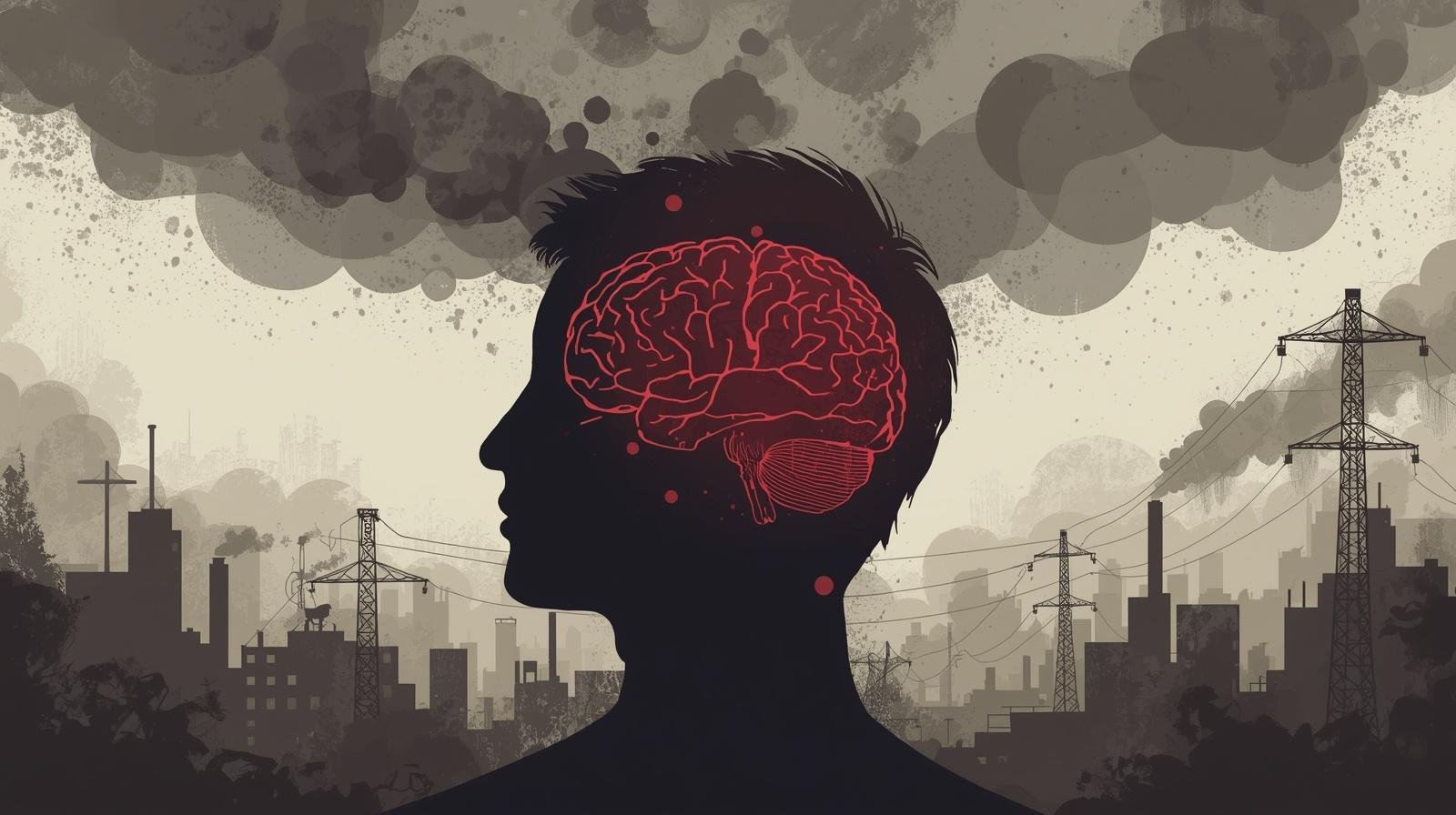

In the modern world, multitasking is often celebrated as a mark of productivity. Smartphones, notifications, emails, and endless to-do lists have conditioned us to juggle multiple tasks at once. But research is increasingly showing that multitasking is more harmful than helpful. It doesn’t just make you slower — it can shrink your short-term memory, alter brain structure, and reduce overall cognitive function.
Understanding why multitasking is harmful is critical for anyone looking to protect their memory, focus, and long-term brain health.
What Is Short-Term Memory?
Short-term memory, also known as working memory, is your brain’s temporary information storage system. It allows you to hold and manipulate information for short periods, which is essential for:
- Following conversations and instructions
- Remembering numbers or lists
- Learning new concepts
- Making quick decisions
The prefrontal cortex plays a central role in this process. This area governs attention, planning, and decision-making. When multitasking disrupts its function, memory formation and recall suffer.
Without a healthy working memory, even simple daily tasks can become challenging. Forgetting appointments, losing track of conversations, or repeatedly checking tasks are early warning signs of memory strain caused by task overload.
Multitasking Is a Myth
Contrary to popular belief, the brain cannot truly perform multiple complex tasks simultaneously. What we call multitasking is actually rapid task switching — the brain jumping back and forth between tasks. Every switch comes at a cost:
- Attention fragmentation — your brain loses focus each time it switches tasks.
- Increased errors — mistakes are more likely when the brain is overloaded.
- Mental fatigue — continuous switching consumes cognitive resources and increases stress.
Studies show that heavy multitaskers are less efficient and have worse memory retention compared to single-taskers.
What Studies Say
Reduced Gray Matter Density
A 2013 study in Nature Communications found that people who frequently multitask showed reduced gray matter in the anterior cingulate cortex, an area crucial for attention control and memory processing. Gray matter loss correlates with diminished cognitive flexibility, weaker memory, and poorer decision-making.
Cognitive Overload
The human brain has limited processing capacity. Overloading it with multiple tasks reduces its ability to encode new information. This means that the more you multitask, the less effectively your brain stores short-term memory.
Stress and Cortisol Levels
Constant task switching elevates cortisol. High cortisol levels are known to damage the hippocampus, the brain region responsible for forming and retrieving memories. This not only impairs short-term memory but also increases anxiety and mental fatigue.
Shallow Information Processing
Multitasking encourages superficial processing. Instead of deeply understanding information, the brain skim-reads and moves on. This leads to weaker memory retention and a reduced ability to apply knowledge in complex tasks.
Consequences of Multitasking
The effects of multitasking aren’t just theoretical. They manifest in everyday life:
- Forgetting names or recent conversations
- Misplacing important items or documents
- Needing to re-read emails or texts multiple times
- Feeling mentally exhausted at the end of the day
- Poor decision-making in work or personal life
Even casual media multitasking, like checking your phone while watching a video, has been shown to reduce performance on attention and memory tests.
How to Protect Your Memory
1. Embrace Single-Tasking
Focus on one task at a time. Research consistently shows that single-tasking improves efficiency, reduces mistakes, and strengthens working memory.
2. Use Focus Intervals
Techniques like the Pomodoro method (25 minutes of focused work followed by a 5-minute break) allow your brain to process information without becoming overwhelmed.
3. Minimize Distractions
Turn off notifications, silence phones, and create a workspace free of unnecessary stimuli. Your brain forms memories more effectively when it can concentrate.
4. Practice Mindfulness and Meditation
Mindfulness exercises have been shown to improve attention, reduce stress, and enhance working memory. Even 10 minutes a day of guided meditation can make a difference.
5. Train Your Cognitive Skills
Puzzles, learning a new language, musical instruments, or other mentally stimulating activities enhance memory, attention, and cognitive flexibility.
6. Prioritize Sleep
Sleep is essential for memory consolidation. Lack of sleep magnifies the negative effects of multitasking on memory and focus.
Summary
Multitasking may feel productive, but it comes at a hidden cost. It doesn’t just slow you down — it weakens your memory, overloads your brain, and can even change brain structure over time. The solution is simple: do fewer things at once, but do them better. By embracing focus, minimizing distractions, and strengthening cognitive skills, you can protect your memory, enhance productivity, and improve mental clarity. Your brain deserves better than multitasking. Treat it well — and it will serve you far more efficiently.
Sources
- Stanford University Study on Media Multitasking: https://med.stanford.edu/news/all-news/2009/08/media-multitaskers-pay-mental-price.html
- Nature Communications Study on Brain Structure and Multitasking: https://www.nature.com/articles/ncomms3656
- American Psychological Association – Multitasking Research: https://www.apa.org/research/action/multitask
- Harvard Health Publishing – The Myth of Multitasking: https://www.health.harvard.edu/mind-and-mood/the-myth-of-multitasking
- National Institute of Neurological Disorders and Stroke – Brain Basics: https://www.ninds.nih.gov/health-information/public-education/brain-basics
- Ophir, E., Nass, C., & Wagner, A. D. (2009). Cognitive control in media multitaskers. Proceedings of the National Academy of Sciences. https://www.pnas.org/doi/10.1073/pnas.0903620106