The recent Ebola virus outbreak in Central Africa has once again raised global public health concerns. In May 2026, health authorities confirmed a major outbreak involving the rare Bundibugyo strain of Ebola in the Democratic Republic of Congo (DRC) and Uganda. The World Health Organization (WHO) has declared the situation a Public Health Emergency of International Concern because of the rapid spread, rising case numbers, and the lack of an approved vaccine for this strain.
Although the current global risk remains low, health agencies including the WHO, CDC, and Africa CDC are actively monitoring and responding to the outbreak.


What Is Ebola Virus Disease?
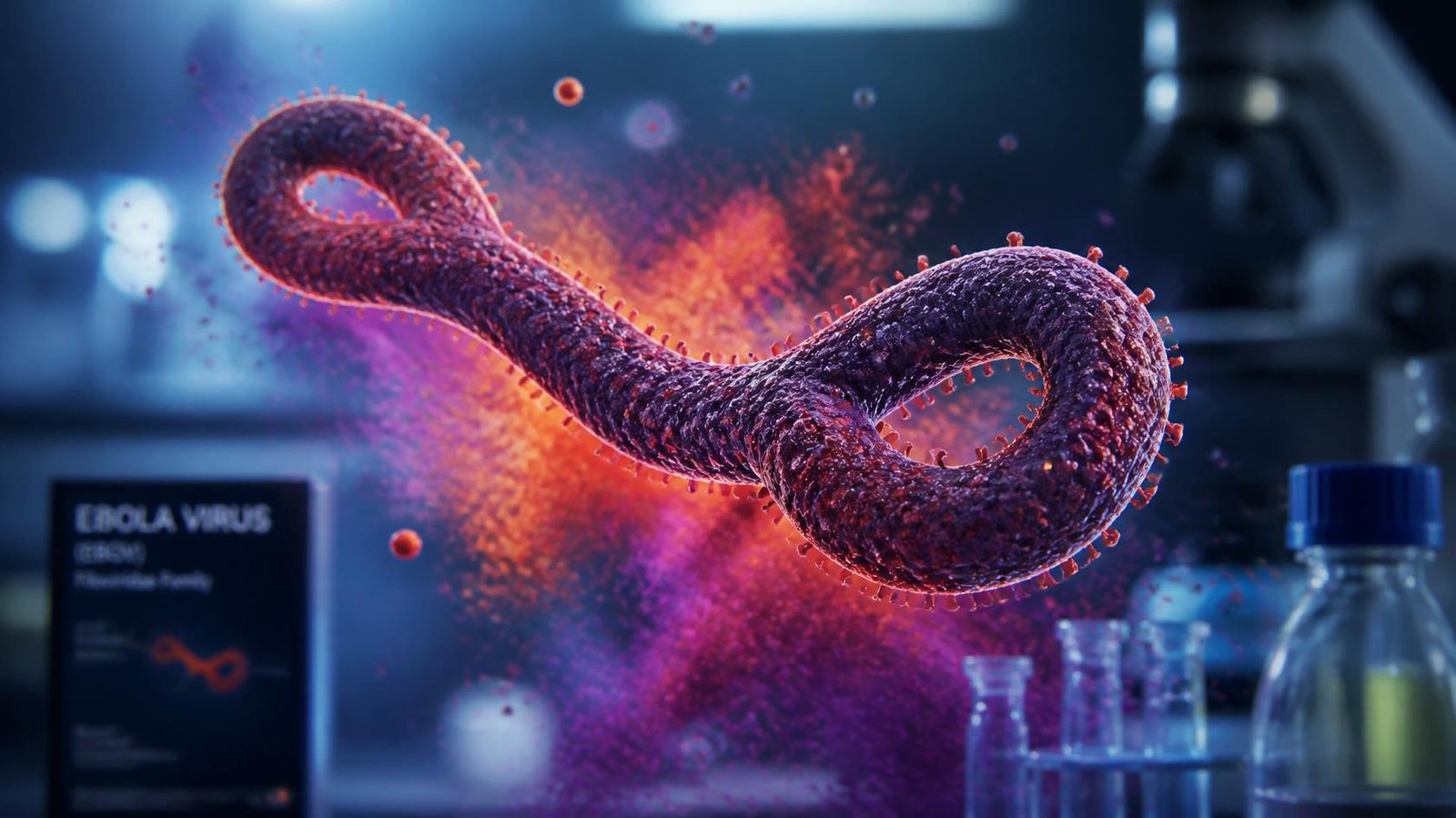
Ebola Virus Disease is a severe and often fatal illness caused by viruses belonging to the Orthoebolavirus family. The disease was first identified in 1976 near the Ebola River in what is now the Democratic Republic of Congo.
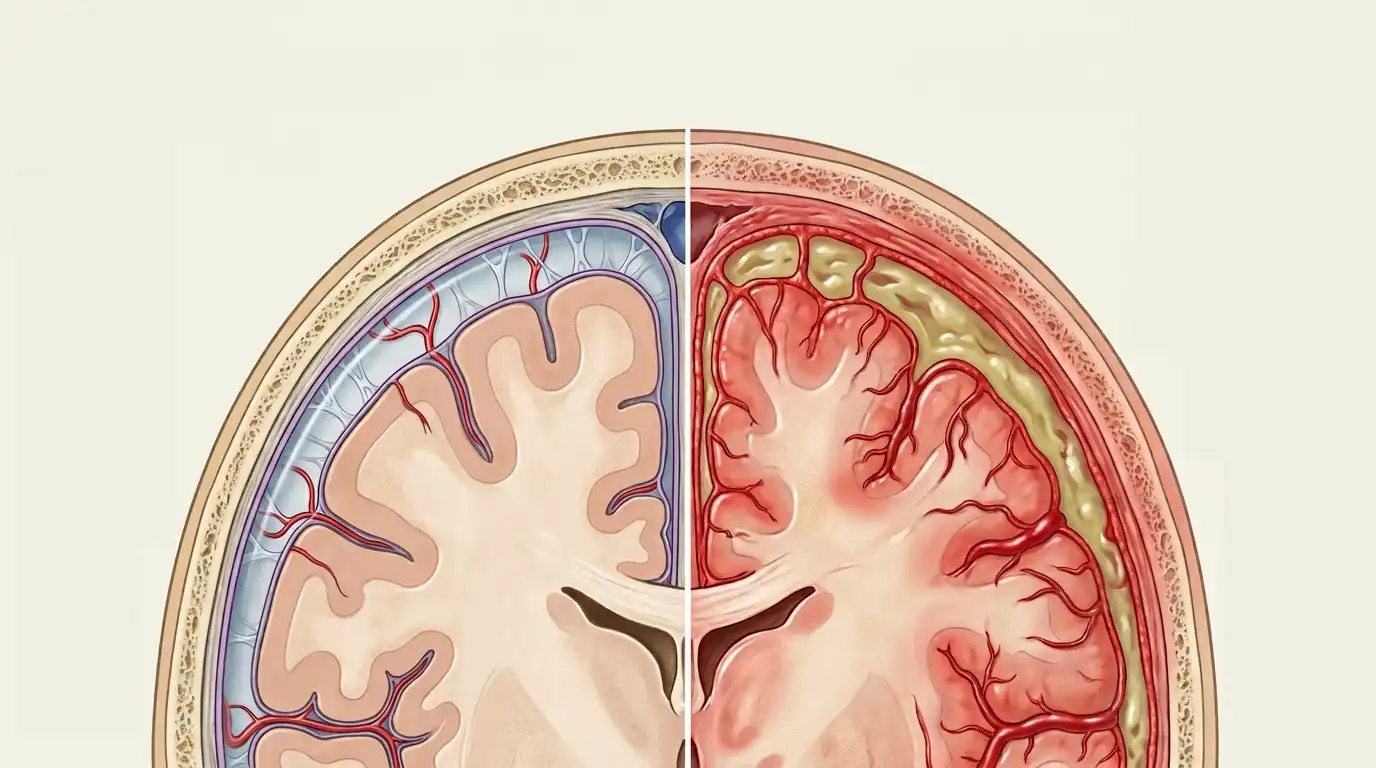
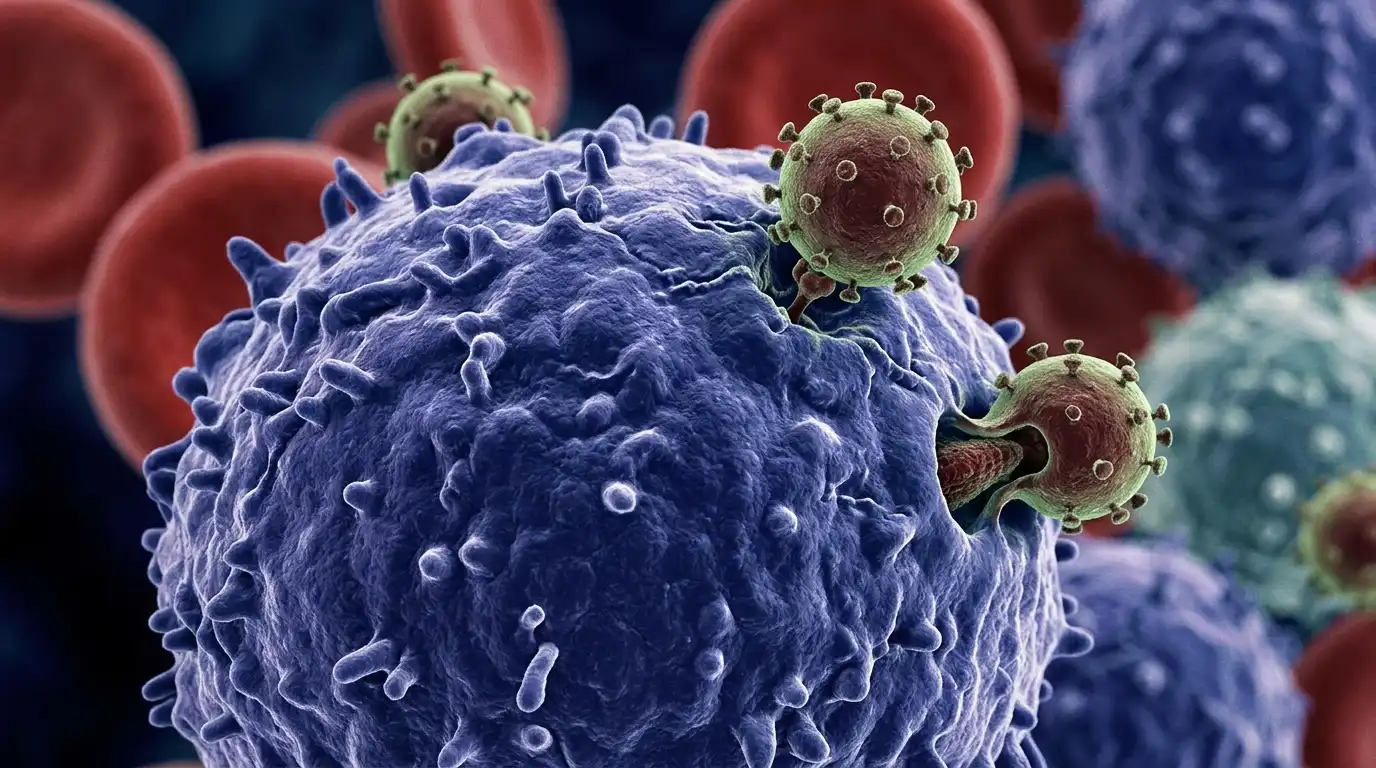
Ebola primarily affects humans and some animals such as monkeys, chimpanzees, and bats. The virus damages blood vessels, weakens the immune system, and can lead to internal bleeding, organ failure, and shock.
The current outbreak is linked to the Bundibugyo ebolavirus, a rarer strain for which there is currently no licensed vaccine or specific treatment available.
Latest 2026 Ebola Outbreak Update
According to WHO and CDC reports:
- Hundreds of suspected Ebola cases have been reported in the DRC
- Uganda has confirmed imported cases connected to travel from Congo
- Several deaths have occurred among healthcare workers
- WHO has classified the national and regional risk as high
- Surveillance, contact tracing, and emergency response efforts are ongoing
Health officials are particularly concerned because the outbreak involves urban areas and regions affected by conflict and limited healthcare access.
How Ebola Spreads
Ebola spreads through direct contact with infected body fluids.
Common Modes of Transmission
- Blood
- Vomit
- Saliva
- Sweat
- Urine
- Semen
- Breast milk
- Feces
The virus can also spread through:
- Contact with contaminated needles or medical equipment
- Touching infected clothing or bedding
- Handling infected animals such as bats or non-human primates
- Traditional burial practices involving contact with the body
Importantly, Ebola does not spread through the air like influenza or COVID-19. A person becomes contagious only after symptoms begin.
Symptoms of Ebola Virus Disease
Symptoms usually appear 2 to 21 days after exposure.
Early Symptoms
- Sudden fever
- Severe weakness
- Headache
- Muscle pain
- Fatigue
- Sore throat
Progressive Symptoms
- Vomiting
- Diarrhea
- Stomach pain
- Skin rash
- Red eyes
- Difficulty swallowing
- Chest pain
Severe Symptoms
- Internal bleeding
- Bleeding from gums or nose
- Bloody vomit or stool
- Shock
- Multi-organ failure
The illness can worsen rapidly, making early detection and medical care extremely important.
Complications of Ebola
Ebola can cause life-threatening complications even in patients who survive the initial infection.
- Severe Dehydration: Frequent vomiting and diarrhea can quickly lead to dangerous fluid loss.
- Organ Failure: The virus may damage the liver, kidneys, lungs, and heart.
- Septic Shock: Severe immune system activation can cause dangerously low blood pressure and circulation problems.
- Internal Bleeding: Damage to blood vessels may result in hemorrhage.
- Neurological Problems: Some survivors experience memory loss, headaches, confusion, or seizures.
- Eye Problems: Inflammation inside the eye (uveitis) can occur after recovery.
- Mental Health Effects: Post-traumatic stress, anxiety, depression, and social stigma are common among survivors.
Mortality rates vary depending on the strain and the availability of supportive care, but Ebola remains one of the world’s deadliest infectious diseases.
Diagnosis of Ebola
Doctors diagnose Ebola using laboratory tests such as:
- PCR testing
- Antigen detection tests
- Blood testing
Because early symptoms resemble malaria, typhoid, or flu-like illnesses, laboratory confirmation is essential.
Treatment for Ebola
There is currently no universally approved cure for the Bundibugyo strain involved in the present outbreak. However, early supportive care significantly improves survival. Supportive treatments include;
- Intravenous fluids
- Electrolyte replacement
- Oxygen therapy
- Blood pressure support
- Treatment of secondary infections
- Nutritional support
Researchers are also evaluating experimental antiviral therapies during the current outbreak.
Ebola Prevention Tips
Preventing Ebola relies heavily on infection control and public health measures. Here’s how to protect yourself.
- Avoid Contact With Infected Body Fluids: Do not touch blood, vomit, or bodily secretions of sick individuals.
- Wash Hands Frequently: Use soap and water or alcohol-based sanitizers.
- Avoid Handling Wild Animals: Especially bats and non-human primates in outbreak regions.
- Practice Safe Burial Procedures: Avoid direct contact with deceased individuals suspected of Ebola infection.
- Use Protective Equipment: Healthcare workers should wear gloves, gowns, masks, and eye protection.
- Follow Travel Advisories: People traveling to affected areas should follow CDC and WHO guidance.
- Seek Medical Care Early: Immediate isolation and treatment reduce spread and improve outcomes.
Is There a Vaccine for Ebola?
Vaccines exist for some Ebola strains, particularly the Zaire strain. However, the current outbreak involves the Bundibugyo strain, for which no fully approved vaccine currently exists.
Researchers and health agencies are working urgently to develop and test new vaccines and treatments.
Final Thoughts
The 2026 Ebola outbreak highlights the continued threat posed by emerging infectious diseases, especially in regions with limited healthcare infrastructure. While the current global risk remains relatively low, rapid response, public awareness, early diagnosis, and strict infection control measures are essential to prevent further spread.
Understanding the symptoms, transmission methods, complications, and prevention strategies can help communities stay informed and prepared.


Sources
- World Health Organization – Ebola Outbreak Update. https://www.who.int/emergencies/disease-outbreak-news/item/2026-DON602
- WHO Public Health Emergency Statement. https://www.who.int/news/item/17-05-2026-epidemic-of-ebola-disease-in-the-democratic-republic-of-the-congo-and-uganda-determined-a-public-health-emergency-of-international-concern
- CDC Ebola Outbreak Advisory. https://www.cdc.gov/han/php/notices/han00530.html
- CDC Ebola Situation Summary. https://www.cdc.gov/ebola/situation-summary/index.html
- Africa CDC Emergency Declaration. https://africacdc.org/news-item/africa-cdc-declares-the-ongoing-bundibugyo-ebola-outbreak-a-public-health-emergency-of-continental-security/
- Reuters Ebola Risk Report. https://www.reuters.com/business/healthcare-pharmaceuticals/who-raises-risk-ebola-outbreak-congo-very-high-national-level-2026-05-22/
- CDC Travel Health Notice. https://wwwnc.cdc.gov/travel/notices/level2/ebola-uganda