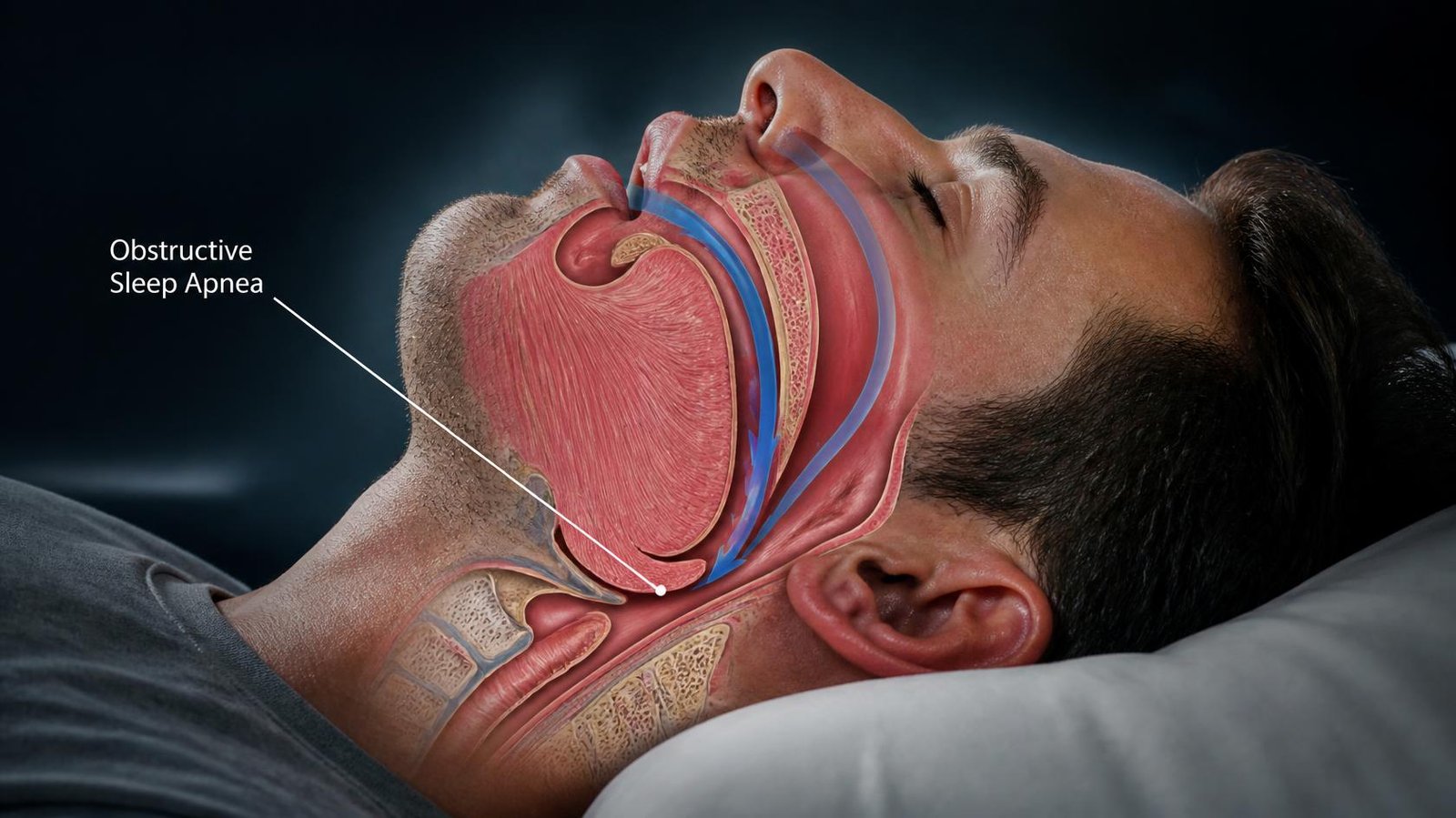
Obstructive sleep apnea (OSA) is a common sleep-related breathing disorder where the airway repeatedly becomes narrowed or blocked during sleep. This happens because the muscles of the throat relax too much, causing the tongue and soft tissues to fall backward and restrict airflow.
When breathing stops or becomes reduced, oxygen levels drop and the brain briefly wakes the person up to restore normal breathing. These interruptions can occur dozens or even hundreds of times during a night, preventing deep, restorative sleep.
Many people with sleep apnea are unaware they have the condition. Symptoms often include loud snoring, pauses in breathing noticed by a partner, choking or gasping during sleep, morning headaches, difficulty concentrating, irritability, and excessive daytime sleepiness.
If left untreated, obstructive sleep apnea can contribute to serious health problems, including high blood pressure, heart disease, abnormal heart rhythms, stroke, metabolic problems, and increased risk of accidents due to daytime fatigue.
The good news is that OSA is highly treatable. The choice of treatment depends on the severity of the condition, the person’s anatomy, body weight, symptoms, and personal preferences.


1. Lifestyle Changes
Lifestyle modification is an important part of OSA treatment, especially in people who are overweight or have obesity.
Extra fat around the neck and upper airway can increase airway narrowing during sleep. Weight reduction can decrease the severity of sleep apnea in many patients and may improve symptoms. Important lifestyle measures include:
- Weight loss: Losing even a moderate amount of weight can improve airway obstruction and sleep quality.
- Regular physical activity: Exercise can improve sleep quality and may reduce OSA severity.
- Avoid alcohol close to bedtime: Alcohol relaxes throat muscles and can worsen airway collapse.
- Avoid smoking: Smoking can increase airway inflammation and worsen breathing problems.
- Maintain regular sleep habits: Consistent sleep schedules support better sleep quality.
However, lifestyle changes alone may not be enough for people with moderate or severe OSA, and additional treatment is often required.
2. Positive Airway Pressure Therapy (CPAP)
For many adults with moderate to severe obstructive sleep apnea, positive airway pressure (PAP) therapy remains the main treatment recommended by current guidelines.
A CPAP machine delivers a continuous stream of pressurized air through a mask worn during sleep. This pressure acts like a splint, preventing the airway from collapsing and allowing normal breathing throughout the night.
Modern PAP devices include features such as automatic pressure adjustment and improved mask designs, making treatment more comfortable than older machines.
Benefits of CPAP therapy include:
- Reducing episodes of interrupted breathing
- Improving oxygen levels during sleep
- Decreasing daytime tiredness and sleepiness
- Improving concentration and mood
- Reducing snoring
Some people initially struggle with CPAP because of mask discomfort, dry mouth, air leakage, or difficulty adjusting to wearing the device. Proper mask fitting, humidification, and follow-up support can greatly improve long-term success.
According to the American Academy of Sleep Medicine (AASM), PAP therapy is recommended for adults with OSA, especially those with excessive sleepiness or significant symptoms.
3. Oral Appliance Therapy
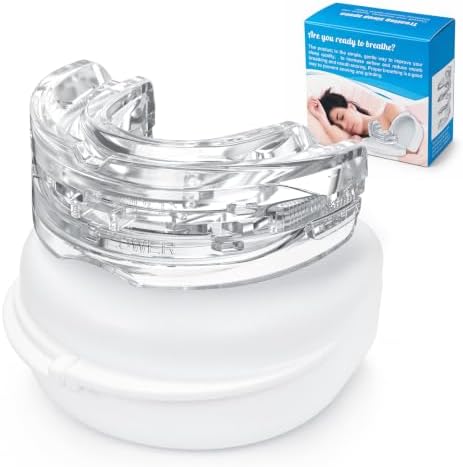
A custom oral appliance is another treatment option, particularly for people with mild to moderate OSA or those who are unable to tolerate CPAP.
These small dental devices are worn during sleep and work by gently moving the lower jaw forward. This helps prevent the tongue and soft tissues from blocking the airway.
Oral appliances may be useful for:
- People with mild to moderate sleep apnea
- Patients who cannot tolerate CPAP
- People who prefer a non-mask treatment option
These devices should be fitted and monitored by a qualified dental professional because incorrect fitting may reduce effectiveness or cause jaw discomfort.
4. Positional Therapy
In some people, sleep apnea mainly occurs when lying on the back. This is called positional obstructive sleep apnea.
When a person sleeps on their back, gravity can allow the tongue and throat tissues to move backward and narrow the airway. Training the person to sleep on their side may reduce airway obstruction.
Positional therapy can include special devices or techniques that encourage side sleeping. It is most effective in carefully selected patients and may be combined with other treatments.
5. Myofunctional Therapy
Myofunctional therapy involves exercises designed to strengthen the muscles of the tongue, throat, and upper airway.
These exercises may help improve airway stability and reduce snoring. Research suggests they can provide benefit, especially in mild cases, but they are generally considered an additional treatment rather than a replacement for CPAP in moderate or severe OSA.
6. Surgical Treatment
Surgery may be considered when there is a clear anatomical cause of airway obstruction or when other treatments have failed.
Possible surgical approaches include:
- Removal of enlarged tonsils or obstructing tissues
- Upper airway surgery to improve airflow
- Jaw advancement surgery (maxillomandibular advancement) to enlarge the airway
- Hypoglossal nerve stimulation, an implanted device that activates the nerve controlling tongue movement during sleep
Surgical treatment is not suitable for everyone and requires careful assessment by sleep specialists and surgeons.
Treating Other Health Conditions Associated With OSA
Managing other medical conditions is an important part of improving overall outcomes.
People with OSA may also need treatment for conditions such as:
- High blood pressure
- Heart disease
- Diabetes
- Obesity
- Nasal allergies or chronic nasal blockage
Treating these conditions can improve overall health and may support better sleep outcomes.
Can Obstructive Sleep Apnea Be Cured?
Some people experience significant improvement after weight loss, lifestyle changes, or corrective surgery. However, many individuals require ongoing treatment to maintain an open airway during sleep.
Even if symptoms improve, treatment should not be stopped without medical reassessment because sleep apnea can return silently.
Key Takeaways
Obstructive sleep apnea is a common but treatable condition. The best treatment depends on the individual rather than a single universal approach.
- CPAP remains the most effective treatment for many people with moderate to severe OSA.
- Weight management and healthy lifestyle changes support long-term improvement.
- Oral appliances provide an effective alternative for selected patients.
- Positional therapy can help people whose apnea is worse when sleeping on their back.
- Newer treatments, including weight-loss medications and implanted devices, are expanding treatment options.
Early diagnosis and appropriate treatment can improve sleep quality, daytime functioning, and long-term health.
Sources
- American Academy of Sleep Medicine (AASM) – Clinical Practice Guideline for PAP Therapy in Adults With Obstructive Sleep Apnea. https://aasm.org/clinical-guideline-pap-therapy/
- American Academy of Sleep Medicine & American Academy of Dental Sleep Medicine – Oral Appliance Therapy Guideline. https://aasm.org/oral-appliance-therapy-clinical-guideline-published-jointly-by-aasm-and-aadsm/
- National Heart, Lung, and Blood Institute (NHLBI) – Sleep Apnea Overview. https://www.nhlbi.nih.gov/health/sleep-apnea
- American Thoracic Society – Sleep Apnea Information and Clinical Resources. https://www.thoracic.org/
- European Respiratory Society Guidelines on Obstructive Sleep Apnea Management. https://www.ersnet.org/