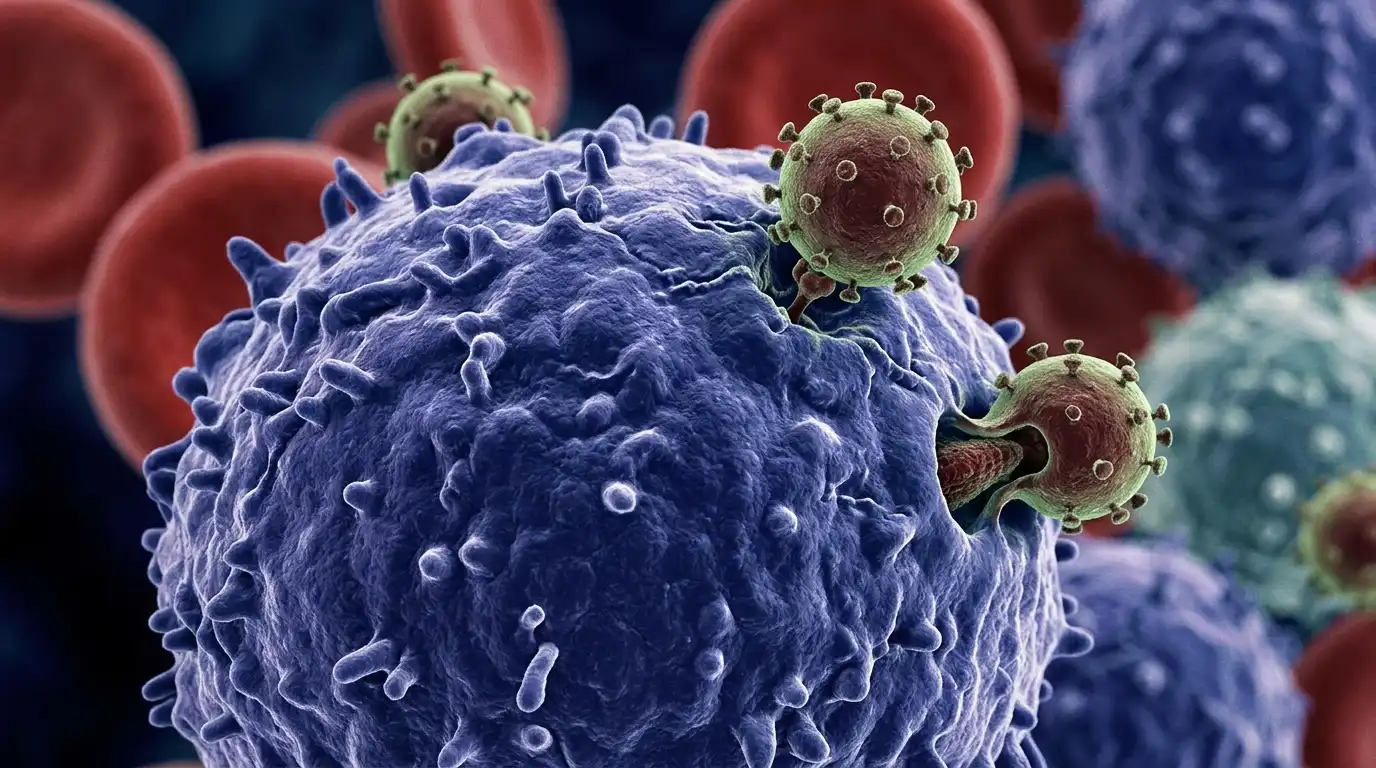
Dengue is one of the most important mosquito-borne viral diseases in tropical and subtropical regions of the world. It can range from a mild flu-like illness to a potentially life-threatening condition known as severe dengue. Because dengue outbreaks continue to affect millions of people globally, understanding its symptoms, warning signs and prevention methods is essential.
According to the World Health Organization (WHO), dengue is caused by the dengue virus and is mainly transmitted through the bite of infected Aedes mosquitoes. An estimated 100–400 million dengue infections occur globally each year, and about half of the world’s population lives in areas at risk.
Recent WHO clinical guidelines published in 2025 provide updated evidence-based recommendations for managing dengue and other mosquito-borne viral diseases.



What Is Dengue?
Dengue is a viral infection caused by the dengue virus, also known as DENV. There are four closely related dengue virus types, which means a person can potentially become infected more than once during their lifetime.
Dengue is sometimes popularly called “break-bone fever” because severe muscle and joint pain can occur during the illness. However, the severity of symptoms varies greatly. Some people have no symptoms at all, while others develop high fever and significant body pain.
Most people recover completely within one to two weeks. However, a small proportion can develop severe dengue, which requires urgent medical treatment and hospitalization.
How Does Dengue Spread?
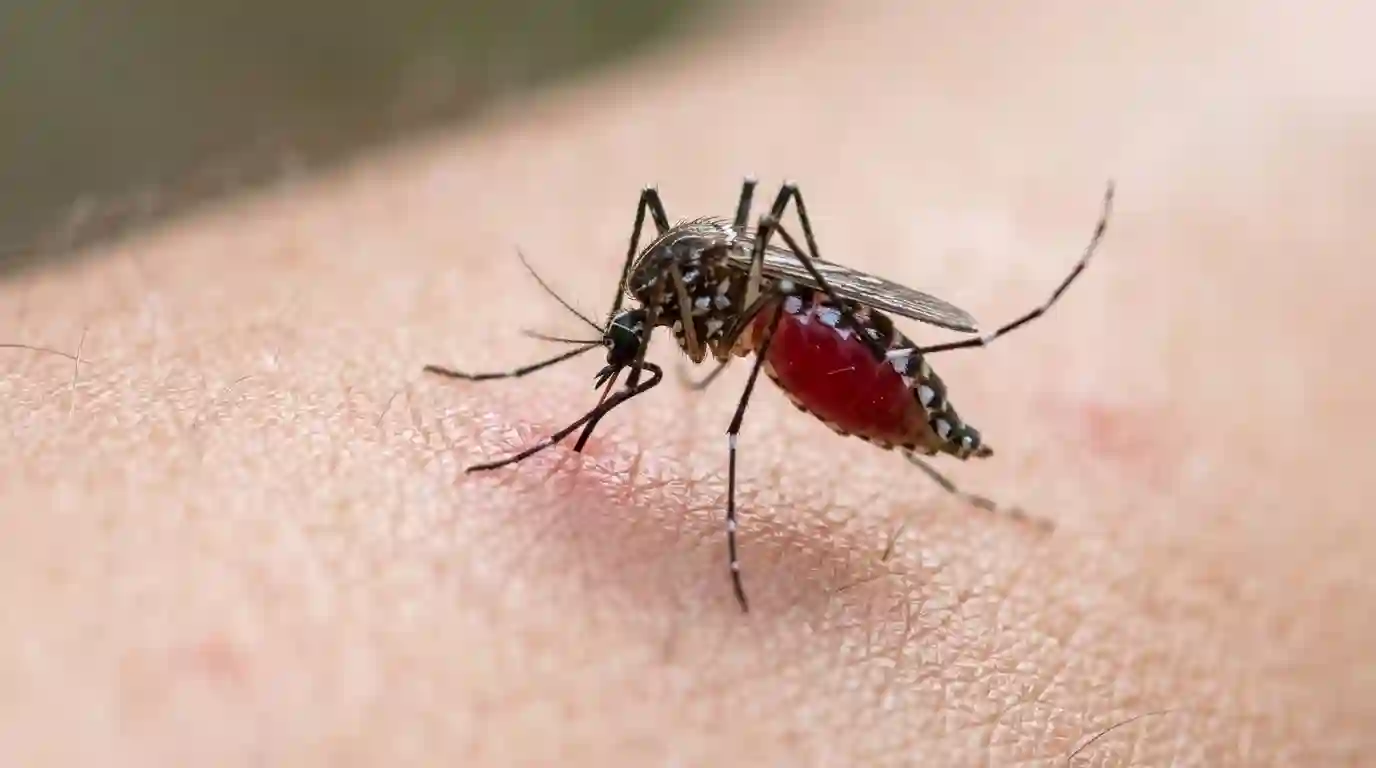
Dengue primarily spreads through the bite of infected female Aedes mosquitoes, particularly:
- Aedes aegypti
- Aedes albopictus
These mosquitoes commonly bite during the daytime, although they can also bite during early morning and evening hours. The transmission cycle usually occurs when:
- A mosquito bites a person infected with dengue.
- The mosquito becomes infected with the virus.
- The infected mosquito bites another person.
- The virus is transmitted to the new person.
Dengue does not usually spread directly from one person to another through casual contact such as touching, hugging or sharing food.
However, an infected person can transmit the virus indirectly if a mosquito bites them during the period when the virus is circulating in their blood and later bites another person.
Dengue Symptoms
Many dengue infections cause no symptoms. When symptoms occur, they usually begin approximately 4–10 days after infection. Common dengue symptoms include:
- Sudden high fever
- Severe headache
- Pain behind the eyes
- Muscle and joint pain
- Severe body aches
- Nausea
- Vomiting
- Skin rash
- Swollen glands
- Extreme tiredness
The fever and symptoms usually last several days, although fatigue can continue for weeks after recovery.
Typical Phases of Dengue
Dengue illness generally progresses through three clinical phases.
1. Febrile Phase
This is the early stage of dengue and is characterized by:
- High fever
- Headache
- Muscle and joint pain
- Nausea and vomiting
- Rash
- General weakness
This phase usually lasts between two and seven days.
2. Critical Phase
The critical phase is the most dangerous period of dengue. Importantly, it often begins when the fever starts to go down.
This can be confusing because patients may believe they are recovering when their temperature improves. However, warning signs and severe complications can develop during the following 24–48 hours.
During this phase, some patients may develop plasma leakage, bleeding, shock or organ problems.
3. Recovery Phase
Patients who successfully pass through the critical phase usually begin to improve. Their appetite returns, fluid balance improves and general strength gradually recovers. However, tiredness and weakness may persist for several weeks.
Dengue Warning Signs You Should Never Ignore
Recognizing warning signs early can save lives. According to current clinical guidance, warning signs often appear around the time the fever disappears. Anyone with suspected dengue should be monitored carefully during this period.
Important warning signs include:
- Severe abdominal pain or abdominal tenderness
- Persistent vomiting
- Bleeding from the nose or gums
- Blood in vomit
- Blood in stools
- Extreme tiredness
- Restlessness or irritability
- Difficulty breathing
- Rapid breathing
- Pale or cold skin
- Feeling extremely weak
- Severe thirst
People who develop these symptoms should seek medical attention immediately. Severe dengue can worsen rapidly and is considered a medical emergency.
What Is Severe Dengue?
Severe dengue is the most dangerous form of the disease. It can cause serious complications including:
Severe Plasma Leakage
Fluid may leak from blood vessels into surrounding tissues. This can lead to:
- Low blood pressure
- Dengue shock
- Fluid accumulation around the lungs
- Breathing difficulties
Severe Bleeding
Some patients may develop serious internal or external bleeding.
Organ Damage
Severe dengue can affect important organs such as:
- Liver
- Brain
- Heart
Severe dengue requires immediate hospital care and careful monitoring.
Who Is at Higher Risk of Severe Dengue?
Anyone can potentially develop severe dengue, but certain individuals may require closer monitoring. Higher-risk groups can include:
- Infants and young children
- Older adults
- Pregnant individuals
- People with chronic diseases
- People with kidney disease
- People with liver disease
- People with diabetes
- People with certain bleeding disorders
- People taking anticoagulant medications
Previous dengue infection may also increase the risk of severe dengue during a subsequent infection with a different dengue virus type.
How Is Dengue Diagnosed?
Doctors diagnose dengue using a combination of clinical symptoms, travel or exposure history and laboratory testing. Tests may include:
- Complete blood count (CBC)
- Dengue antigen testing
- Molecular tests such as PCR
- Dengue antibody tests
Blood tests may also help doctors monitor complications. Common laboratory findings can include:
- Low white blood cell count
- Low platelet count
- Rising hematocrit
- Elevated liver enzymes
However, a low platelet count alone does not determine whether a patient has severe dengue. Doctors evaluate the patient’s overall clinical condition, warning signs, fluid status and laboratory trends.
Dengue Treatment
Currently, there is no specific antiviral medicine that cures dengue. Treatment focuses on supportive care, careful monitoring and early recognition of complications. For uncomplicated dengue, management may include:
- Adequate rest
- Drinking sufficient fluids
- Monitoring symptoms
- Monitoring urine output
- Regular medical follow-up when necessary
Paracetamol, also called acetaminophen, is generally recommended for controlling fever and relieving pain.
Medicines to Avoid
People with suspected dengue should generally avoid medicines that can increase the risk of bleeding unless specifically advised by a healthcare professional.
These include:
- Aspirin
- Ibuprofen
- Other non-steroidal anti-inflammatory drugs (NSAIDs)
These medicines may increase bleeding risk in patients with dengue.
Why Hydration Is Important in Dengue
Maintaining proper hydration is an important part of dengue management. People with mild dengue may be encouraged to drink adequate fluids, depending on their age and medical condition. Suitable fluids may include:
- Water
- Oral rehydration solutions
- Soups
- Drinks containing electrolytes
However, excessive fluid intake is not always appropriate, especially in patients with severe dengue or those receiving intravenous fluids. Fluid management should be individualized by healthcare professionals.
Current clinical guidance emphasizes careful monitoring and avoiding unnecessary intravenous fluid administration in uncomplicated dengue.
Do Platelets Need to Be Transfused in Dengue?
One of the biggest misconceptions about dengue is that every patient with a low platelet count requires a platelet transfusion. Current clinical guidance does not recommend routine prophylactic platelet transfusions simply because platelet levels are low. The decision to provide blood products depends on factors such as:
- Significant active bleeding
- Hemodynamic instability
- Clinical condition
- Evidence of serious complications
Management decisions should be made by qualified healthcare professionals.
How to Prevent Dengue
Since dengue is transmitted by mosquitoes, prevention focuses mainly on avoiding mosquito bites and reducing mosquito breeding sites.
1. Prevent Mosquito Bites
Protect yourself by:
- Wearing long-sleeved clothing when possible
- Using appropriate mosquito repellents
- Using window and door screens
- Sleeping under mosquito nets when necessary
- Using air conditioning where available
Because Aedes mosquitoes often bite during the daytime, mosquito protection should not be limited to nighttime.
2. Eliminate Mosquito Breeding Sites
Aedes mosquitoes commonly breed in clean, stagnant water. Regularly check and remove standing water from:
- Flower pots
- Buckets
- Old tires
- Water containers
- Bottles
- Roof gutters
- Pet water containers
- Outdoor containers
Water storage containers should be properly covered. Community mosquito control is particularly important because dengue prevention requires collective action.
3. Protect Others if You Have Dengue
During the first days of illness, the dengue virus may be present in the patient’s blood. If mosquitoes bite an infected person, they can potentially spread the virus to others. People with dengue should therefore try to prevent mosquito bites by:
- Using mosquito nets
- Wearing protective clothing
- Using mosquito repellent
- Staying in screened or air-conditioned rooms where possible
Dengue During Pregnancy
Pregnant individuals with suspected dengue should seek medical attention promptly. Pregnancy is considered an important clinical condition that may require closer monitoring because dengue complications can affect both the mother and pregnancy. Management should be individualized and supervised by healthcare professionals.
When Should You Go to the Hospital?
Seek urgent medical care if you have suspected dengue and develop:
- Severe abdominal pain
- Persistent vomiting
- Bleeding
- Difficulty breathing
- Extreme weakness
- Confusion or unusual drowsiness
- Cold or clammy skin
- Blood in vomit or stools
- Fainting
- Signs of dehydration or reduced urine output
Severe dengue can progress quickly, sometimes within hours. Early medical treatment and careful fluid management can significantly reduce the risk of death.
Key Takeaway
Dengue is a potentially serious mosquito-borne viral infection that affects millions of people worldwide. While most patients recover with supportive care, some can develop severe dengue, especially during the period when the fever begins to disappear. The most important things to remember are:
- Recognize dengue symptoms early.
- Stay adequately hydrated under medical guidance.
- Use paracetamol rather than aspirin or ibuprofen for fever.
- Watch carefully for warning signs.
- Seek emergency medical care if warning signs develop.
- Prevent mosquito bites and eliminate mosquito breeding sites.
Early recognition and timely medical care remain the most effective ways to prevent severe complications and deaths from dengue.


Sources
- World Health Organization (WHO) – Dengue Fact Sheet. https://www.who.int/news-room/fact-sheets/detail/dengue-and-severe-dengue
- World Health Organization (WHO) – Dengue and Severe Dengue Health Topic. https://www.who.int/health-topics/dengue-and-severe-dengue
- World Health Organization (WHO) – Dengue Questions and Answers. https://www.who.int/news-room/questions-and-answers/item/dengue-and-severe-dengue
- WHO Guidelines for Clinical Management of Arboviral Diseases (2025). https://iris.who.int/bitstream/handle/10665/381804/9789240111110-eng.pdf
- Centers for Disease Control and Prevention (CDC) – Dengue Clinical Care. https://www.cdc.gov/dengue/hcp/clinical-care/index.html
- Centers for Disease Control and Prevention (CDC) – Manage Dengue. https://www.cdc.gov/dengue/treatment/index.html
- Centers for Disease Control and Prevention (CDC) – Dengue Main Information Page. https://www.cdc.gov/dengue/
- Centers for Disease Control and Prevention (CDC) – Dengue for Healthcare Providers. https://www.cdc.gov/dengue/hcp/