HIV symptoms can vary considerably from person to person. Some people develop flu-like symptoms during the early stage of HIV infection, while others have no symptoms at all. Later, untreated HIV can cause symptoms related to progressive weakening of the immune system.
One of the most important things to understand about HIV symptoms is that they cannot confirm whether someone has HIV. Many of the symptoms associated with early HIV infection can also occur with influenza, COVID-19, infectious mononucleosis, viral hepatitis, syphilis, and other infections. The only way to know whether you have HIV is to take an HIV test.
This article explains the common early HIV symptoms, symptoms that can occur during chronic infection, symptoms associated with advanced HIV infection, and when HIV testing should be considered.

What Is HIV?
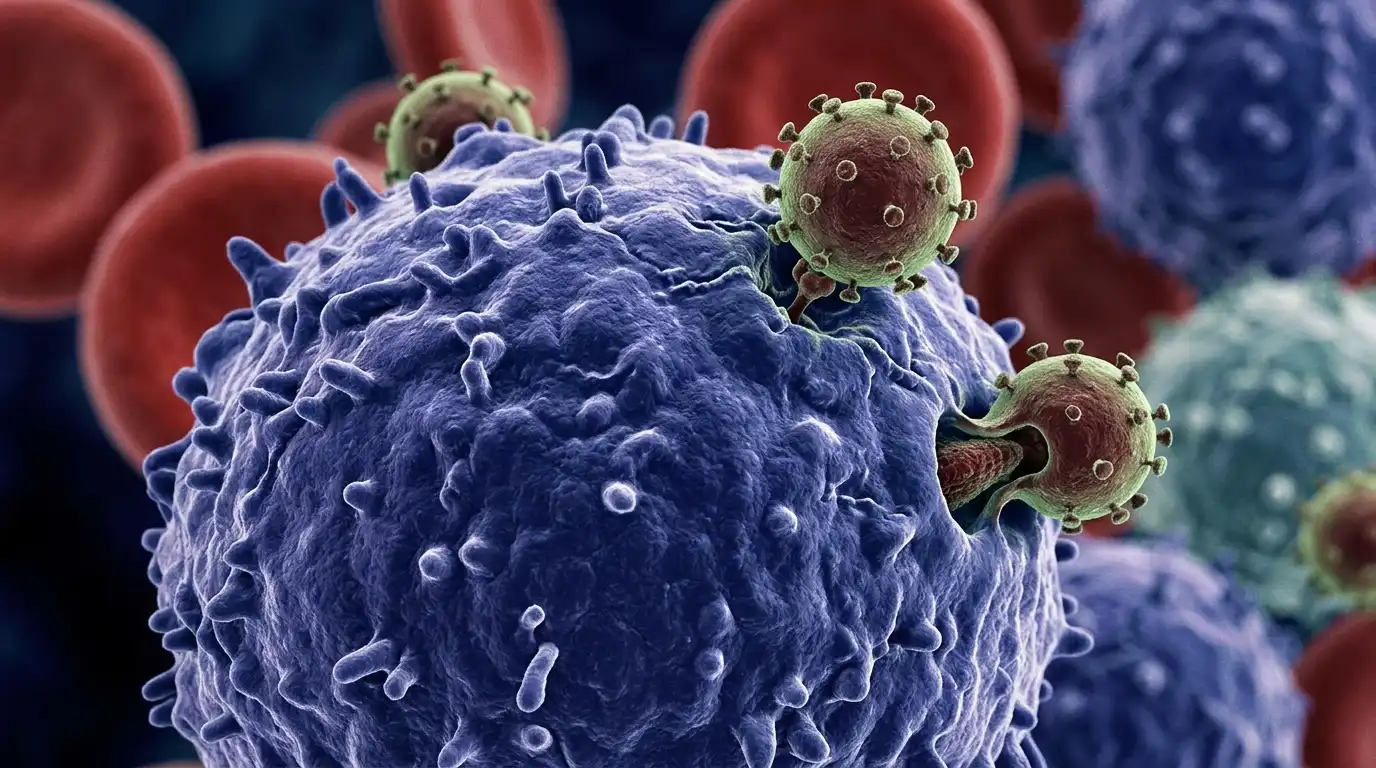
Human immunodeficiency virus (HIV) is a virus that attacks cells of the immune system, particularly CD4 cells. Without effective treatment, progressive damage to the immune system can make a person more vulnerable to infections and certain cancers.
HIV infection does not necessarily cause noticeable symptoms for many years. Modern antiretroviral therapy (ART) can control HIV, protect immune function, and greatly reduce the risk of progression to advanced disease.
Early HIV Symptoms
The earliest stage is called acute HIV infection. When symptoms occur, they commonly develop around 2 to 4 weeks after infection.
Early HIV symptoms can resemble a flu-like illness. Possible symptoms include:
- Fever
- Chills
- Skin rash
- Sore throat
- Swollen lymph nodes
- Fatigue
- Muscle aches
- Joint aches
- Headache
- Night sweats
- Mouth ulcers
- Diarrhea
Not everyone experiences these early HIV symptoms. Some people have mild symptoms that they may not recognize as significant, while others have no symptoms at all.
Because acute HIV infection can resemble many other viral illnesses, symptoms alone cannot distinguish HIV from other infections.
How Long Do Early HIV Symptoms Last?
When early HIV symptoms occur, they may last from several days to several weeks. The symptoms may disappear even though HIV infection remains present. Therefore, feeling better does not mean that HIV infection has resolved. During acute infection, the amount of HIV in the blood can be very high, which can increase the likelihood of transmission. Someone who has had a possible recent exposure should therefore not wait for symptoms to appear before seeking testing or medical advice.
Can You Have HIV Without Symptoms?
Yes. HIV can cause no noticeable symptoms. During the chronic stage of HIV infection, a person may feel completely well even though the virus remains in the body. This stage can last for years, particularly when HIV is not causing obvious illness.
This is why the absence of HIV symptoms does not mean that a person does not have HIV. Likewise, having several symptoms does not mean that someone has HIV.
Later HIV Symptoms
Without treatment, HIV can progressively weaken the immune system. As immune function becomes impaired, a person may develop more persistent or recurrent health problems.
Possible later HIV symptoms include:
- Unexplained weight loss
- Persistent or recurrent fever
- Profuse night sweats
- Persistent swollen lymph nodes
- Prolonged diarrhea
- Extreme or unexplained fatigue
- Recurrent infections
- Mouth sores
- Oral thrush
- Shingles
- Other unusual or severe infections
These symptoms are not specific to HIV. They can occur with many other medical conditions, so testing is essential when HIV infection is a possibility.
HIV Symptoms and AIDS
AIDS, or acquired immunodeficiency syndrome, is the most advanced stage of HIV infection. A person with untreated HIV can eventually develop severe immune suppression. At this stage, serious opportunistic infections and certain cancers can occur. Possible symptoms and complications of advanced HIV infection include severe weight loss, prolonged fever or night sweats, persistent diarrhea, recurrent infections, pneumonia, oral or genital sores, and certain skin or neurological problems.
Importantly, effective HIV treatment prevents most people with HIV from progressing to AIDS. A diagnosis of AIDS is not made simply because someone has particular symptoms. Healthcare professionals use specific clinical and laboratory criteria to determine whether HIV has progressed to this stage.
When Should You Get Tested for HIV?
You should consider HIV testing if you have had a possible exposure, even if you feel completely well. Testing is particularly important after an exposure that could transmit HIV, such as certain forms of condomless sex, sharing injection equipment, or other situations involving exposure to potentially infectious body fluids.
If you develop flu-like symptoms within a few weeks of a possible exposure, discuss HIV testing with a healthcare professional. Acute HIV infection may require specific testing because some tests can be negative very early after infection.
HIV Testing and the Window Period
HIV tests cannot detect infection immediately after exposure. The time between exposure and the point when a particular test can reliably detect HIV is called the window period. The length of this period depends on the type of test. Current HIV testing guidance describes approximate detection windows such as:
- Nucleic acid tests (NAT): approximately 10–33 days after exposure
- Laboratory antigen/antibody tests: approximately 18–45 days
- Finger-prick antigen/antibody tests: approximately 18–90 days
- Antibody tests: approximately 23–90 days
These are general ranges rather than guarantees for an individual person. The test provider or laboratory should explain the appropriate timing and whether repeat testing is required. A negative test performed too soon after exposure may not reliably exclude HIV.
What If an HIV Test Is Positive?
A reactive HIV screening test does not necessarily represent the final diagnosis. A positive or reactive screening result requires appropriate follow-up testing to confirm the diagnosis. If HIV infection is confirmed, treatment should be started as soon as possible. Modern antiretroviral therapy can suppress HIV to very low levels, protect the immune system, and allow people with HIV to live long and healthy lives. People who take HIV treatment as prescribed and maintain an undetectable viral load do not transmit HIV to sexual partners.
What If the HIV Test Is Negative?
A negative result can be reassuring, but its meaning depends on when the test was performed and which test was used. If testing was performed during the window period, repeat testing may be necessary. If there has been another possible exposure after the test, the testing timeline needs to be considered again. A healthcare professional or HIV testing service can help determine whether additional testing is needed.
What If You Were Exposed to HIV Recently?
If a possible HIV exposure occurred within the previous 72 hours, seek medical care urgently and ask about post-exposure prophylaxis (PEP). PEP involves taking HIV medicines after a possible exposure to reduce the chance of infection. It works best when started as soon as possible and should be started within 72 hours.
Do not wait for HIV symptoms before seeking advice about PEP. For people who have ongoing risk of HIV exposure, pre-exposure prophylaxis (PrEP) is another prevention option that can substantially reduce the risk of acquiring HIV when used appropriately.
Can HIV Be Treated?
Yes. HIV is treatable. Antiretroviral therapy does not currently eliminate HIV from the body, but it can suppress the virus to very low levels.
Starting treatment early and taking it consistently can protect the immune system and reduce the risk of HIV-related complications. With effective treatment and sustained viral suppression, people living with HIV can live long and healthy lives.
When to Seek Medical Advice
Seek medical advice if:
- You have had a possible HIV exposure.
- You develop flu-like symptoms after a possible recent exposure.
- You have persistent or unexplained symptoms that concern you.
- You have recurrent or unusual infections.
- You have a new sexually transmitted infection.
- You want to know your HIV status.
- A recent HIV test was performed during the possible window period.
- You may have been exposed to HIV within the previous 72 hours and need advice about PEP.
Key Takeaways
HIV symptoms can vary widely from person to person. Some people develop flu-like symptoms such as fever, rash, sore throat, swollen lymph nodes, fatigue, muscle aches, night sweats, mouth ulcers, or diarrhea within a few weeks of infection, while others may have no symptoms at all. As untreated HIV progresses, it can cause persistent or recurrent infections, unexplained weight loss, prolonged fever, night sweats, and other health problems. However, these symptoms are not specific to HIV and cannot confirm or exclude infection. The only reliable way to know your HIV status is through appropriate HIV testing. If you have had a possible recent exposure, do not wait for symptoms; seek medical advice about testing and, if the exposure occurred within the previous 72 hours, whether post-exposure prophylaxis (PEP) is appropriate.
Sources
- HIV.gov — Symptoms of HIV. https://www.hiv.gov/hiv-basics/overview/about-hiv-and-aids/symptoms-of-hiv
- HIV.gov — HIV Testing Overview. https://www.hiv.gov/hiv-basics/hiv-testing/learn-about-hiv-testing/hiv-testing-overview
- HIV.gov — Understanding HIV Test Results. https://www.hiv.gov/hiv-basics/hiv-testing/learn-about-hiv-testing/understanding-hiv-test-results
- HIV.gov — Post-Exposure Prophylaxis (PEP). https://www.hiv.gov/hiv-basics/hiv-prevention/using-hiv-medication-to-reduce-risk/post-exposure-prophylaxis
- NIH ClinicalInfo — HIV/AIDS Clinical Guidelines: Early HIV Infection. https://clinicalinfo.hiv.gov/en/guidelines/hiv-clinical-guidelines-adult-and-adolescent-arv/special-populations-early-acute-recent-hiv-infection
- NIH ClinicalInfo — HIV Testing Window Period. https://clinicalinfo.hiv.gov/en/glossary/window-period
- World Health Organization (WHO) — HIV and AIDS Fact Sheet. https://www.who.int/news-room/fact-sheets/detail/hiv-aids