
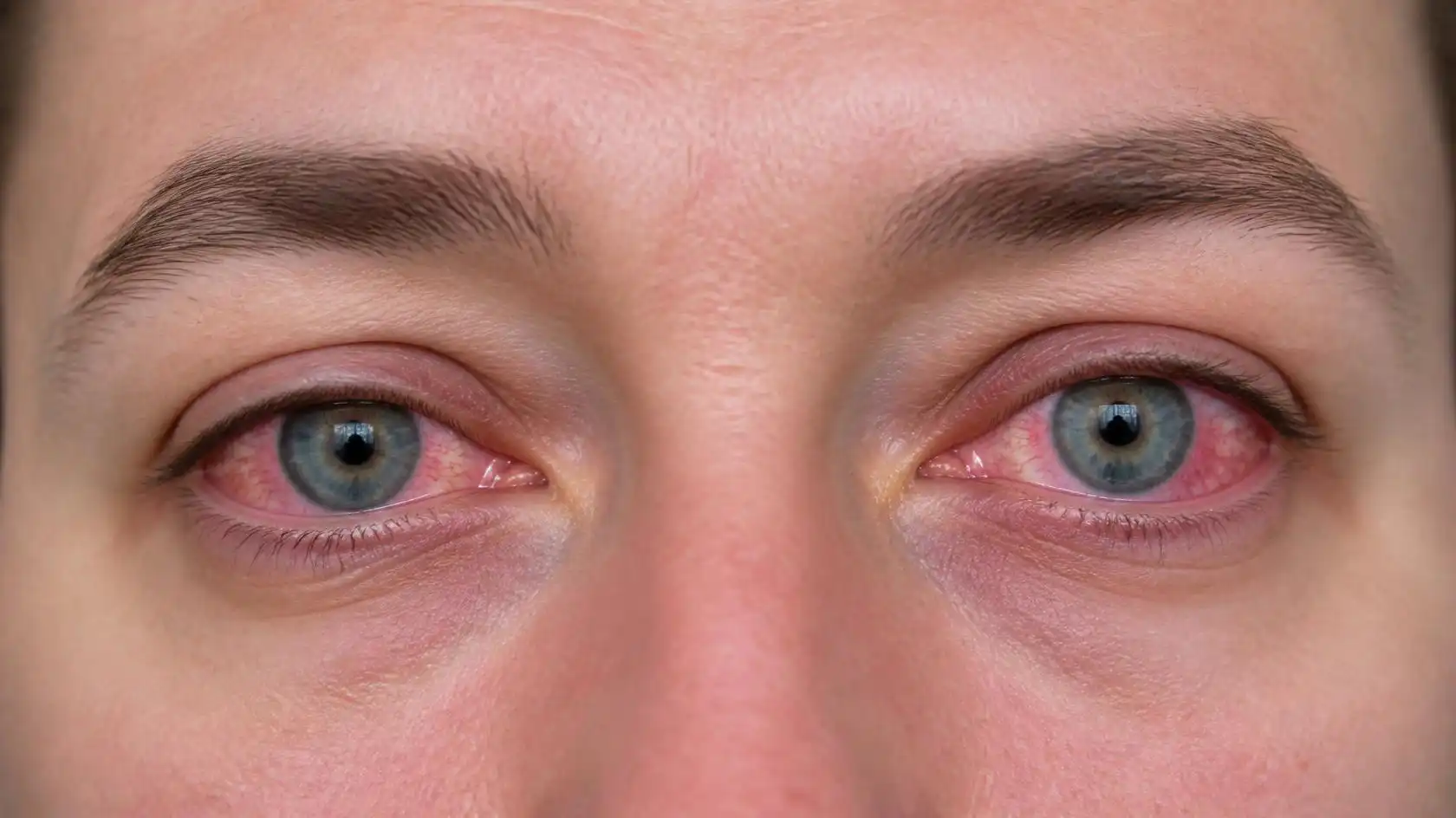
Conjunctivitis, commonly known as pink eye, is inflammation of the thin membrane covering the white part of the eye and the inner surface of the eyelids. It can cause redness, watering, itching, burning, a gritty sensation, eyelid swelling, and sometimes mucus or pus-like discharge. Conjunctivitis may be caused by viruses, bacteria, allergies, contact-lens-related problems, or irritation from substances such as smoke, dust, or chemicals.
The good news is that many uncomplicated cases of conjunctivitis can be managed with supportive care at home, particularly when symptoms are mild. However, not every red eye is conjunctivitis, and some eye conditions require prompt medical treatment. The following home remedies are consistent with guidance from organizations such as the CDC, NHS, National Eye Institute, and specialist eye hospitals.


What are the best home remedies for conjunctivitis?
1. Apply a cool compress
A cool, clean compress can provide significant relief from redness, irritation, swelling, and discomfort. Soak a clean, lint-free cloth in cool water, wring it out, close your eyes, and gently place the cloth over the affected eye for several minutes.
You can repeat this several times during the day whenever symptoms become uncomfortable. The CDC specifically recommends cold compresses as a way to relieve inflammation and dryness associated with pink eye.
If only one eye is affected, use separate clean cloths for each eye to reduce the possibility of transferring infection.
2. Use artificial tears for dryness and irritation
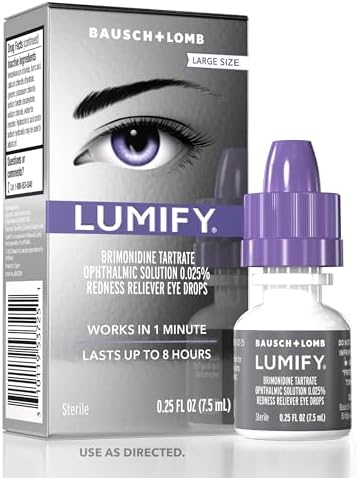
Over-the-counter lubricating eye drops, commonly called artificial tears, can help relieve dryness, burning, grittiness, and irritation. They do not cure an infection, but they can make the eyes considerably more comfortable while the condition resolves.
For infectious conjunctivitis, artificial tears are mainly a supportive treatment rather than an antimicrobial treatment.
If you need eye drops frequently, ask a pharmacist or eye-care professional whether preservative-free artificial tears would be appropriate.
3. Gently clean away eye discharge
Conjunctivitis can cause crusting or sticky discharge around the eyelashes, particularly after sleeping. Keeping the eyelids clean can improve comfort.
Wash your hands first. Use clean cotton wool or a clean, soft cloth moistened with previously boiled and cooled water or sterile saline, and gently wipe away the discharge. Use a separate piece of cotton or cloth for each eye.
Do not aggressively scrub the eyelids or try to remove crusts by force.
4. Wash your hands frequently
If the conjunctivitis is caused by a virus or bacteria, it can spread easily from one person to another. Good hand hygiene is therefore one of the most important parts of home care.
Wash your hands with soap and water for at least 20 seconds, particularly after touching or cleaning your eyes and before applying eye drops. Avoid touching your eyes with unwashed hands.
5. Avoid rubbing your eyes
It may be tempting to rub an itchy or irritated eye, but rubbing can make inflammation worse and may transfer infection from one eye to the other or to another person.
If itching is prominent, particularly with watery eyes and symptoms affecting both eyes, an allergic cause may be responsible. In that situation, avoiding the suspected allergen and discussing appropriate anti-allergy treatment with a pharmacist or healthcare professional may help.
6. Stop wearing contact lenses temporarily
Do not wear contact lenses while you have conjunctivitis. Contact lenses can further irritate the eye, and contact-lens wearers with bacterial conjunctivitis have an increased risk of more serious corneal infection.
Contact lenses should generally be avoided until symptoms have completely resolved or your eye-care professional confirms that it is safe to resume wearing them. Disposable lenses and cases used during an infection may also need to be discarded according to professional advice.
7. Keep personal items separate
If your conjunctivitis is infectious, avoid sharing towels, pillowcases, face cloths, cosmetics, eye drops, or other items that come into contact with the eyes or face.
Wash towels, pillowcases, and other potentially contaminated fabrics regularly with detergent. These simple measures can help reduce transmission within households.
8. Avoid eye makeup until the eye has recovered
Eye makeup can irritate an already inflamed eye and may potentially become contaminated during an infectious episode. Avoid eye makeup while symptoms are present.
Products that were used directly around the infected eye during an episode may need to be replaced, particularly mascara and liquid or cream eye products.
When should you see a doctor?
Although many cases can be managed at home, a red eye should not automatically be assumed to be simple conjunctivitis. Seek medical attention promptly if you develop:
- Significant or worsening eye pain
- Sensitivity to light
- Blurred or reduced vision
- Severe redness
- Significant swelling
- Symptoms that are worsening or failing to improve
- A feeling that something is stuck in the eye
- Symptoms after an eye injury or chemical exposure
- Conjunctivitis while wearing contact lenses, particularly with pain or vision changes
- Recurrent or unusually severe episodes
- A weakened immune system
Pain, photophobia, visual changes, and intense redness can indicate a more serious eye problem requiring assessment.
How can you prevent conjunctivitis from spreading?
If the cause is infectious, prevention is just as important as symptom relief. Wash your hands frequently, avoid touching your eyes, dispose of tissues after use, and avoid sharing towels, pillows, cosmetics, eye drops, or other personal items.
Clean your eyeglasses regularly and follow appropriate contact-lens hygiene. Avoid swimming while you have infectious conjunctivitis, as this can contribute to transmission.
Key Takeaway
For uncomplicated conjunctivitis, simple supportive care is often enough to make the eyes more comfortable while the condition resolves. The most useful home measures include cool compresses, artificial tears, gentle eyelid cleaning, good hand hygiene, avoiding eye rubbing, and temporarily stopping contact-lens use.
However, home remedies should focus on comfort and hygiene—not putting unproven substances into the eye or self-prescribing medications. Antibiotics are not useful for viral conjunctivitis, and persistent, painful, light-sensitive, or vision-affecting red eyes need professional evaluation.
If you are unsure whether your symptoms represent conjunctivitis or another eye condition, it is safer to have the eye assessed by a healthcare professional or eye-care specialist.
Sources
- CDC – Treatment of Pink Eye. https://www.cdc.gov/conjunctivitis/treatment/index.html
- CDC – Conjunctivitis (Pink Eye). https://www.cdc.gov/conjunctivitis/
- CDC – Prevention of Pink Eye. https://www.cdc.gov/conjunctivitis/prevention/index.html
- National Eye Institute – Treatment for Pink Eye. https://www.nei.nih.gov/eye-health-information/eye-conditions-and-diseases/pink-eye/treatment-pink-eye
- National Eye Institute – Pink Eye. https://www.nei.nih.gov/eye-health-information/eye-conditions-and-diseases/pink-eye
- NHS – Conjunctivitis. https://www.nhs.uk/conditions/conjunctivitis/
- MedlinePlus – Pink Eye. https://medlineplus.gov/pinkeye.html
FAQ
1. Are warm compresses useful for conjunctivitis?
A cool compress is generally recommended for relieving the irritation, redness, and swelling associated with conjunctivitis. However, a warm compress may feel more comfortable in some situations, particularly when there is sticky discharge or eyelid crusting.
The important point is to use a clean cloth and avoid very hot water, which could burn the delicate skin around the eyes.
2. What about home remedies such as honey, tea bags, or rose water?
Many traditional remedies are promoted online for treating conjunctivitis, but they are not recommended as substitutes for evidence-based eye care.
Do not put honey, herbal preparations, tea, rose water, lemon juice, essential oils, or other homemade substances directly into the eye unless specifically advised by an appropriate healthcare professional. Non-sterile substances can introduce additional microorganisms or irritants into an already inflamed eye.
The safest approach is to use clean water or sterile saline for eyelid cleaning and appropriate commercially prepared eye products when needed.
3. Do you need antibiotic eye drops?
Viral conjunctivitis is common and usually improves without antibiotics. Antibiotic eye drops do not treat viral infections. Bacterial conjunctivitis can sometimes benefit from antibiotic treatment, but whether antibiotics are necessary depends on the clinical situation.
This is why it is not a good idea to automatically use leftover antibiotic eye drops whenever the eye becomes red.
Some cases of conjunctivitis can also be caused by allergies, in which case treatment focuses on avoiding the trigger and controlling the allergic response rather than using antibiotics.
4. How long does conjunctivitis usually last?
The duration depends on the underlying cause. Many uncomplicated cases improve spontaneously over days to a couple of weeks. Viral conjunctivitis, in particular, commonly resolves without antimicrobial treatment, although symptoms can sometimes persist for longer.
If symptoms are getting worse rather than gradually improving, or if they persist beyond the expected period, medical assessment is appropriate.