
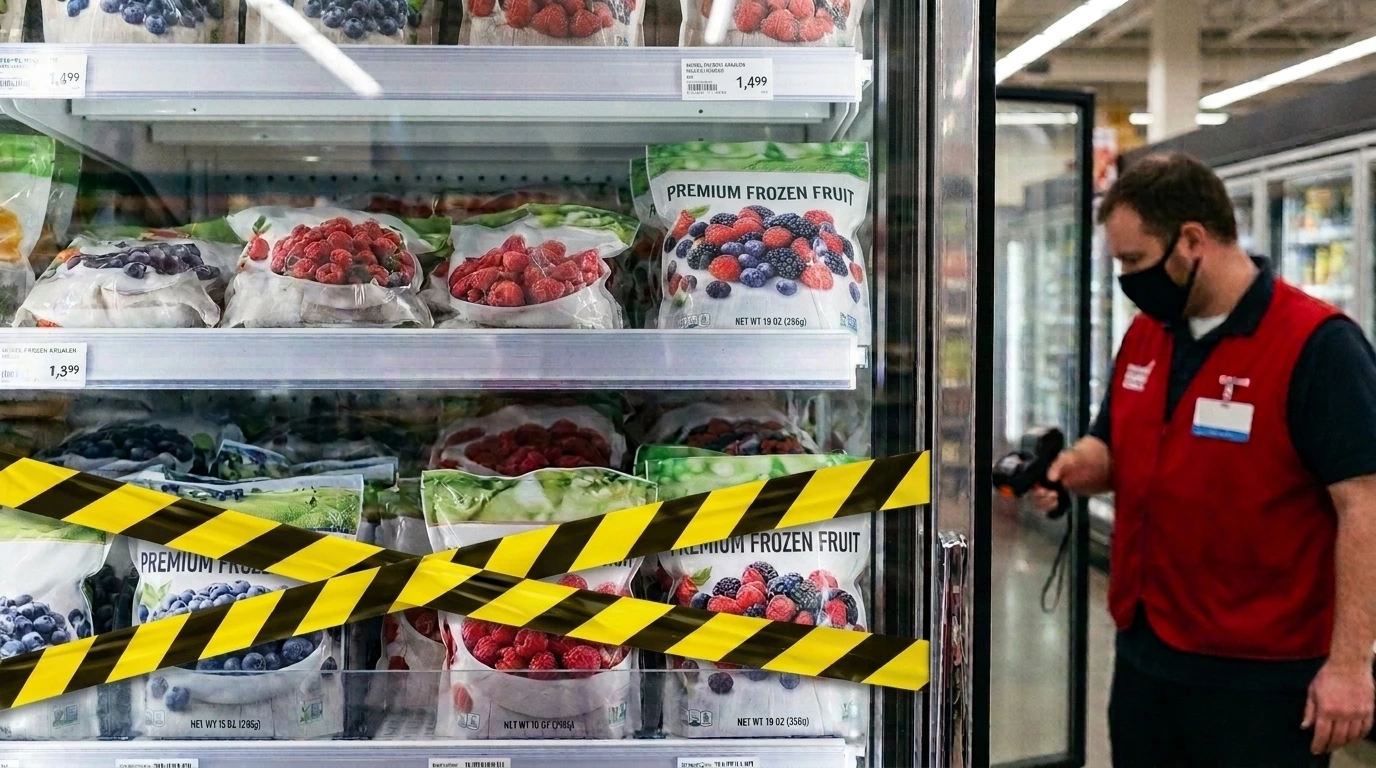
The FDA recall of frozen berries has become a significant food-safety concern in the United States after the FDA classified a recall of certain GreenWise organic frozen blueberries and mixed berries sold at Publix as a Class I recall, the agency’s highest-risk category. The products are being recalled because of possible contamination with Shiga toxin-producing E. coli O145:H28, a strain capable of causing severe intestinal illness and, in some people, a serious kidney complication called hemolytic uremic syndrome (HUS).
The recall is particularly important because the products have a long frozen shelf life, meaning some packages could still be sitting in household freezers even though they have been removed from stores.
What is the recent FDA recall of frozen berries?
The current recall involves GreenWise Organic Whole Blueberries and GreenWise Organic Whole Mixed Berries sold through Publix stores.
The initial recall was narrower. On July 3, 2026, Chilean supplier Frutas y Hortalizas del Sur S.A. recalled one lot of 10-ounce GreenWise organic frozen blueberries because of potential E. coli O145:H28 contamination. The affected lot was 60401, with a best-by date of February 9, 2028.
However, on July 29, Publix expanded the recall to all lots of four GreenWise frozen berry products after epidemiological and traceback information raised broader concerns.
The FDA subsequently classified the recall as Class I on August 18, 2026. A Class I recall is used when there is a reasonable probability that exposure to the recalled product could cause serious adverse health consequences or death.


Which frozen berry products are recalled?
Consumers should check their freezers for the following products:
| Recalled product | Size | UPC |
| GreenWise Organic Whole Blueberries | 10 oz | 41415-06453 |
| GreenWise Organic Whole Blueberries | 48 oz | 41415-12053 |
| GreenWise Organic Whole Mixed Berries | 10 oz | 41415-06753 |
| GreenWise Organic Whole Mixed Berries | 48 oz | 41415-12153 |
All lots of these four products are included in the expanded recall. Therefore, consumers should not rely only on the original lot code 60401 when checking their freezer.
The products were distributed through Publix stores in Alabama, Florida, Georgia, Kentucky, North Carolina, South Carolina, Tennessee, Virginia.
The FDA says the product could potentially have reached additional locations, so consumers should rely on the product name, package size and UPC when checking recalled products.
Why were the frozen berries recalled?
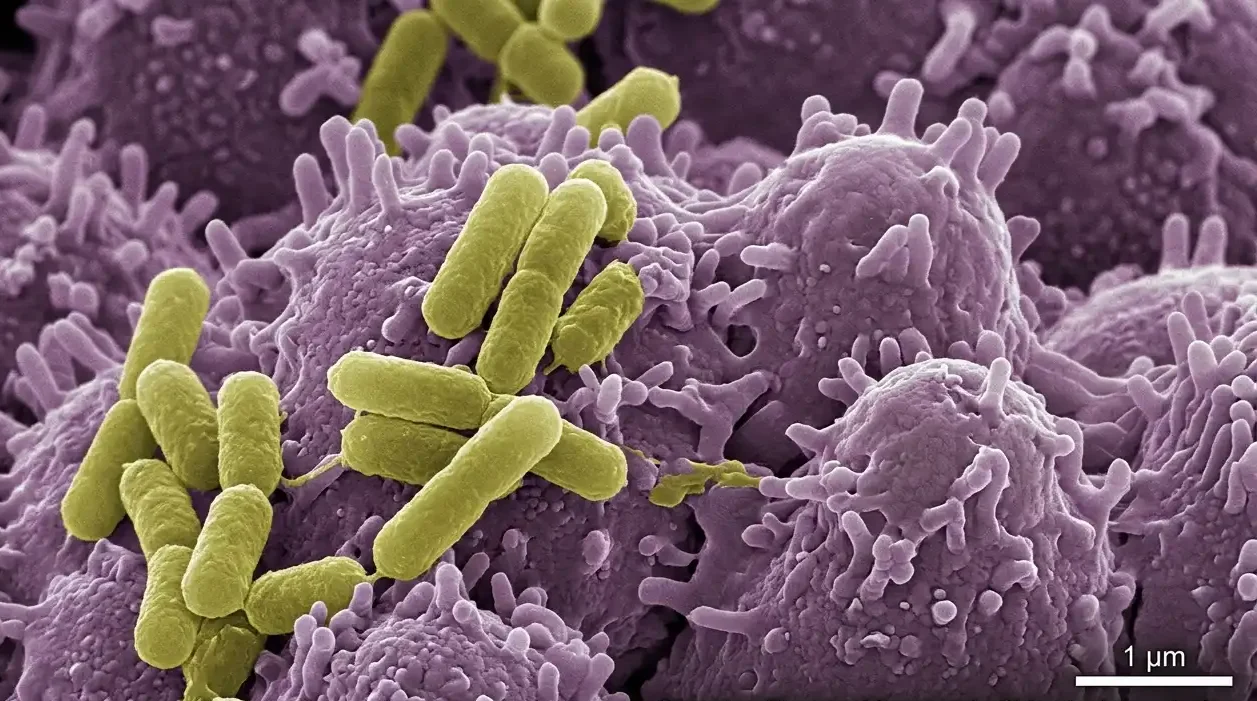
The concern is contamination with E. coli O145:H28, a type of Shiga toxin-producing E. coli, commonly abbreviated as STEC. These bacteria can produce toxins that damage the lining of the intestine and, in severe cases, can affect the kidneys.
The recall followed an ongoing investigation into a multistate outbreak. Epidemiological information found that several sick people had eaten frozen blueberries, and GreenWise organic frozen blueberries purchased at Publix were identified as a common food item among affected individuals. Whole-genome sequencing also showed that bacteria from ill people were closely related genetically, supporting the investigation into a common source.
As of the FDA’s latest published outbreak figures, 12 illnesses, 4 hospitalizations and 0 deaths had been reported. The illnesses occurred in Florida and Georgia, although the recalled products were distributed across eight states. The FDA investigation remains ongoing.
What symptoms can E. coli from contaminated berries cause?
Not everyone infected with pathogenic E. coli develops severe disease. However, STEC infections can cause significant gastrointestinal symptoms. Typical symptoms include:
- Severe abdominal or stomach cramps: These can be intense and may occur before or alongside diarrhea.
- Diarrhea: The diarrhea can become bloody, which is an important warning sign.
- Vomiting and nausea: Some people experience nausea or vomiting along with abdominal symptoms.
- Fever: Fever may occur, although it is not necessarily present in every case.
Symptoms can begin several days after exposure. The FDA reports that symptoms associated with this outbreak may begin anywhere from a few days after consuming contaminated food to as long as nine days later.
Why can E. coli infection become dangerous?
Most people recover from STEC infection, but some develop serious complications.
The major complication doctors watch for is hemolytic uremic syndrome (HUS). HUS can develop when the infection causes destruction of red blood cells and injury to the kidneys. Severe cases can require hospitalization and may result in long-term kidney problems.
Young children, older adults and people with weakened immune systems are particularly vulnerable to serious complications.
Warning signs that require prompt medical attention include bloody diarrhea, severe abdominal pain, persistent vomiting, significant dehydration, reduced urination or unusual tiredness.
CDC guidance also recommends medical evaluation for severe diarrhea, particularly when there is blood in the stool, high fever, prolonged symptoms or difficulty maintaining hydration.
What should you do if you have these frozen berries?
If you have any of the four recalled GreenWise products in your freezer, do not eat them. Do not taste the berries to determine whether they are safe. Food contaminated with pathogenic bacteria may look, smell and taste normal.
The FDA recommends either throwing the recalled berries away or returning them to the place of purchase. If you cannot identify the original packaging because you transferred the berries to another container, the FDA advises throwing them away if you cannot determine whether they are part of the recall. Because frozen berries may remain in freezers for months or years, checking your freezer is especially important.
Does this recall mean all frozen berries are unsafe?
The current recall does not mean that all frozen blueberries, strawberries, raspberries or mixed berries are contaminated.
It specifically concerns the identified GreenWise products involved in this recall. Consumers should not stop eating berries in general based solely on this recall.
However, frozen berries have previously been involved in foodborne illness investigations. The FDA has been working on strategies to reduce contamination of fresh and frozen berries with pathogens including hepatitis A virus and norovirus.
This history is one reason food-safety agencies emphasize better sanitation, traceability and preventive controls throughout the berry supply chain.
Why are frozen berries associated with foodborne illness?
Berries are often eaten raw, which means there may be no cooking step to destroy microorganisms that contaminate the food.
They can also pass through multiple stages before reaching the consumer, including harvesting, washing, processing, freezing, packaging, transportation and retail distribution.
The FDA has previously detected hepatitis A virus and norovirus in samples collected during surveillance of frozen berries, although the detection rates were low. The agency’s surveillance work has reinforced the importance of preventive controls throughout production and distribution.
This does not mean frozen berries are inherently dangerous. Berries remain an important part of a healthy diet. The concern is that contamination can occur anywhere along a complex food-production chain.
What is currently being done about the frozen berry recall?
The FDA and state partners are continuing to investigate the source of the contamination. The FDA conducted a remote regulatory assessment of the Chilean supplier, Frutas y Hortalizas del Sur S.A., to examine its procedures, records and food-safety controls. The agency reported concerns involving at least one additional lot of blueberries used in other GreenWise products, which contributed to the expanded recall.
The FDA has also placed products from the supplier under Import Alert 99-35, meaning certain frozen blueberry products from the firm may be detained at U.S. entry unless the firm can demonstrate that the conditions leading to the violation have been addressed. The agency has indicated that additional products could potentially be added to the advisory as the investigation progresses.
Key Takeaway
The most important message from the current FDA recall of frozen berries is simple: check your freezer if you shop at Publix or have purchased GreenWise frozen berries. The four recalled products are:
- GreenWise Organic Whole Blueberries — 10 oz — UPC 41415-06453
- GreenWise Organic Whole Blueberries — 48 oz — UPC 41415-12053
- GreenWise Organic Whole Mixed Berries — 10 oz — UPC 41415-06753
- GreenWise Organic Whole Mixed Berries — 48 oz — UPC 41415-12153
All lots of these products are included in the expanded recall. If you have one, do not eat it. Throw it away or return it to Publix, and clean surfaces or containers that may have contacted the berries.
If you have eaten the recalled berries and subsequently develop severe abdominal cramps, persistent diarrhea, bloody diarrhea, vomiting, dehydration or reduced urination, seek medical care promptly.
*Update: The FDA’s investigation is ongoing, so consumers should check the FDA’s official recall and outbreak pages for updates rather than relying solely on older social media posts or news reports. Additional products may be added if investigators identify further links.
**This article is based on information available as of August 22, 2026. FDA and CDC recommendations may change as the investigation continues.


Sources
- FDA – E. coli Frozen Blueberries Outbreak Investigation. https://www.fda.gov/food/outbreaks-foodborne-illness/outbreak-investigation-e-coli-o145h28-frozen-blueberries-july-2026
- FDA – Publix GreenWise Frozen Berry Recall. https://www.fda.gov/safety/recalls-market-withdrawals-safety-alerts/publix-recalls-all-lots-greenwise-organic-frozen-blueberries-and-whole-mixed-berries-due-potential-e
- FDA – Original GreenWise Blueberry Recall. https://www.fda.gov/safety/recalls-market-withdrawals-safety-alerts/frutas-y-hortalizas-del-sur-sa-initiates-recall-frozen-greenwise-organic-iqf-blueberries-due
- FDA – Import Alert 99-35. https://www.accessdata.fda.gov/cms_ia/importalert_1128.html
- FDA – Strategy for Preventing Hepatitis A and Norovirus Outbreaks Associated With Berries. https://www.fda.gov/food/new-era-smarter-food-safety/summary-fdas-strategy-prevent-human-norovirus-and-hepatitis-outbreaks-associated-fresh-and-frozen
- CDC – E. coli Outbreak Linked to Frozen Blueberries. https://www.cdc.gov/ecoli/outbreaks/blueberries-07-26/index.html
- CDC – Frozen Blueberry Outbreak Investigation. https://www.cdc.gov/ecoli/outbreaks/blueberries-07-26/investigation.html